
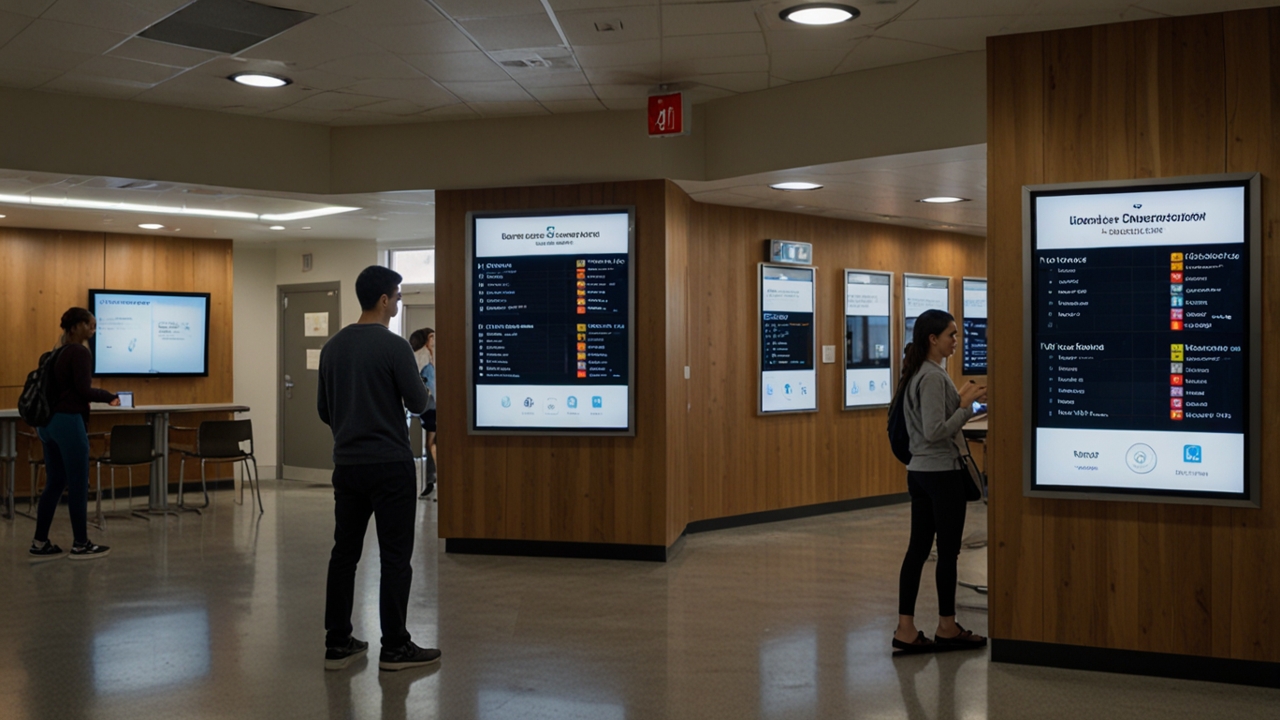
In any dormitory setting, communication forms the backbone of a healthy and organized living environment. Whether it’s relaying maintenance updates, emergency notifications, or general announcements, the way management communicates can directly impact resident satisfaction and safety. Poor communication can result in misunderstandings, delayed responses to issues, and frustration among students or tenants. Therefore, having structured and efficient communication channels is essential to maintaining a harmonious and well-informed dormitory community.
Dormitories often house individuals from diverse backgrounds, making it crucial for administrators to establish clear communication protocols that cater to all residents. This includes using inclusive language, offering multilingual options, and providing accessible communication platforms. When residents feel that their concerns are heard and their needs addressed, trust is built between management and occupants, leading to a more engaged and cooperative living environment.
Furthermore, in a world where digital convenience defines most interactions, dormitories must evolve to meet modern expectations. Students and young professionals now expect immediate access to updates through smartphones and online platforms. Implementing tools like announcement dashboards, chat-based support systems, or mobile notification alerts ensures that residents receive timely and accurate information without confusion or delay.
2. Leveraging Technology for Seamless Information Sharing
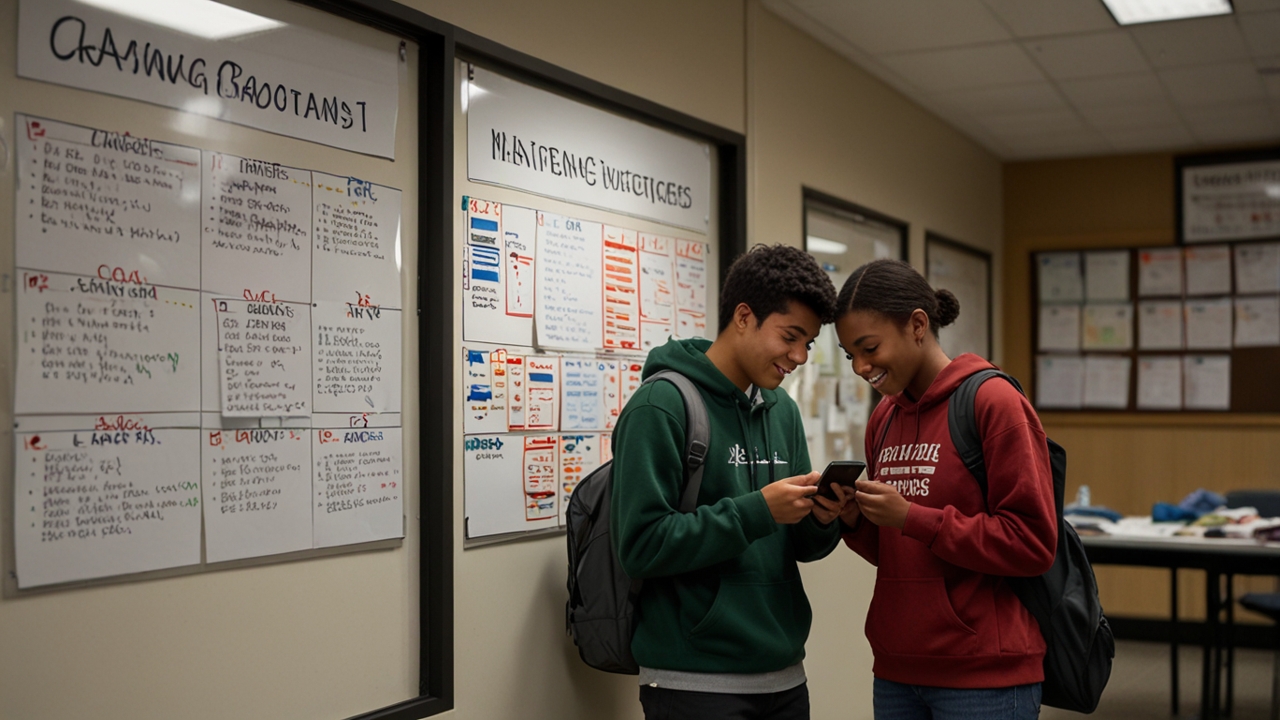
Technology has revolutionized how dormitories can communicate with their residents. Traditional bulletin boards and printed notices are being replaced with digital communication platforms that enable real-time information sharing. Tools such as mobile apps, online portals, and internal messaging systems allow dormitory administrators to instantly notify residents about maintenance schedules, community events, or safety alerts. This immediate access to information fosters transparency and efficiency, ensuring that no resident feels left out of important updates.
In addition, dormitories can benefit from implementing automated systems for repetitive communication tasks. For example, automated reminders for rent payments, quiet hours, or maintenance inspections can reduce manual workload and eliminate human error. These systems can be programmed to send personalized notifications, making communication feel more direct and relevant to each resident. The integration of such tools not only improves operational flow but also enhances the overall resident experience.
Moreover, communication platforms can serve as two-way channels where residents can provide feedback, report issues, or make requests. When technology facilitates both sending and receiving messages, dormitories can respond more effectively to residents’ concerns. This not only builds accountability but also creates a community where open dialogue is encouraged and supported through modern, efficient tools.
3. Building a Strong Community Through Interactive Engagement
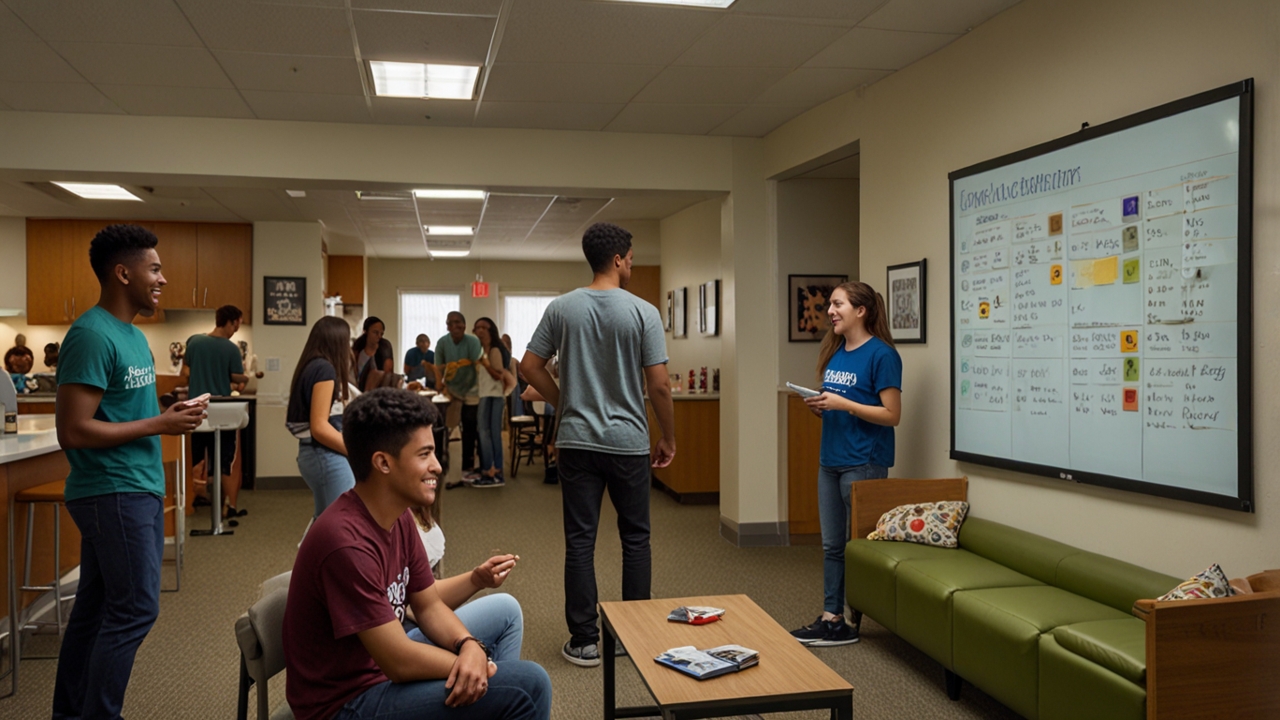
Effective communication is not just about sharing information; it’s also about building community engagement. Dormitories that encourage social interaction and involvement create a stronger sense of belonging among residents. Hosting community events, surveys, or feedback sessions helps management understand the needs and preferences of the residents while also fostering collaboration and camaraderie. When residents feel like active participants in their community, they’re more likely to respect rules, contribute positively, and maintain good relationships with both peers and staff.
Digital tools can play a significant role in promoting this kind of engagement. Online discussion boards, group chats, and event RSVP systems help residents stay connected even outside of physical spaces. This is particularly useful in larger dormitories where not every resident interacts regularly. Creating digital spaces for shared interests, such as study groups, wellness sessions, or cultural exchange discussions, can greatly enhance communication and relationship-building.
Another effective strategy is to recognize and celebrate residents’ achievements or contributions publicly. This could include spotlighting residents who organize community events or acknowledging those who assist with sustainability initiatives. By highlighting positive involvement, management can motivate others to participate and strengthen the dormitory’s community spirit. Engaged residents are more likely to be communicative, cooperative, and proud of their living environment.
4. Addressing Challenges and Conflicts Through Clear Communication
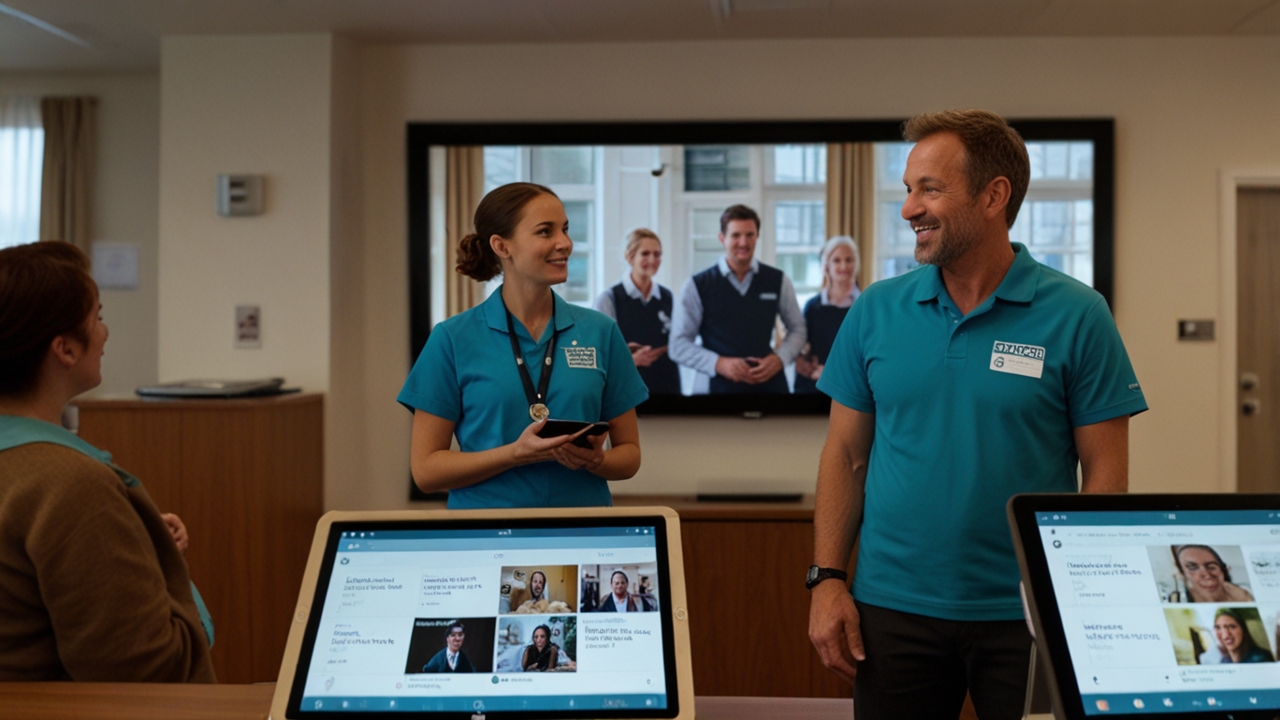
Conflicts and misunderstandings are inevitable in shared living spaces like dormitories, but effective communication can prevent small issues from escalating. Dormitory management must establish transparent systems for handling complaints, disputes, and feedback. Residents should have easy access to report forms or contact options where they can raise concerns confidentially and expect timely responses. The presence of clear protocols assures residents that their voices are valued and that management is committed to resolving issues fairly.
Training staff to handle communication professionally and empathetically is equally important. Resident assistants and managers should be equipped with soft skills like active listening, conflict mediation, and emotional intelligence. When communication is handled with patience and respect, residents are more likely to approach management with honesty rather than frustration. This approach minimizes friction and builds a culture of mutual respect and understanding within the dormitory.
Additionally, documenting communication and maintaining transparency during conflict resolution is essential. By keeping records of incidents, responses, and resolutions, dormitories can track recurring issues and improve their systems. Regularly reviewing these reports allows management to identify problem areas and adjust policies accordingly, ensuring that the dormitory remains a peaceful and cooperative space for all.
5. The Future of Dormitory Communication: Smart Systems and Data Insights
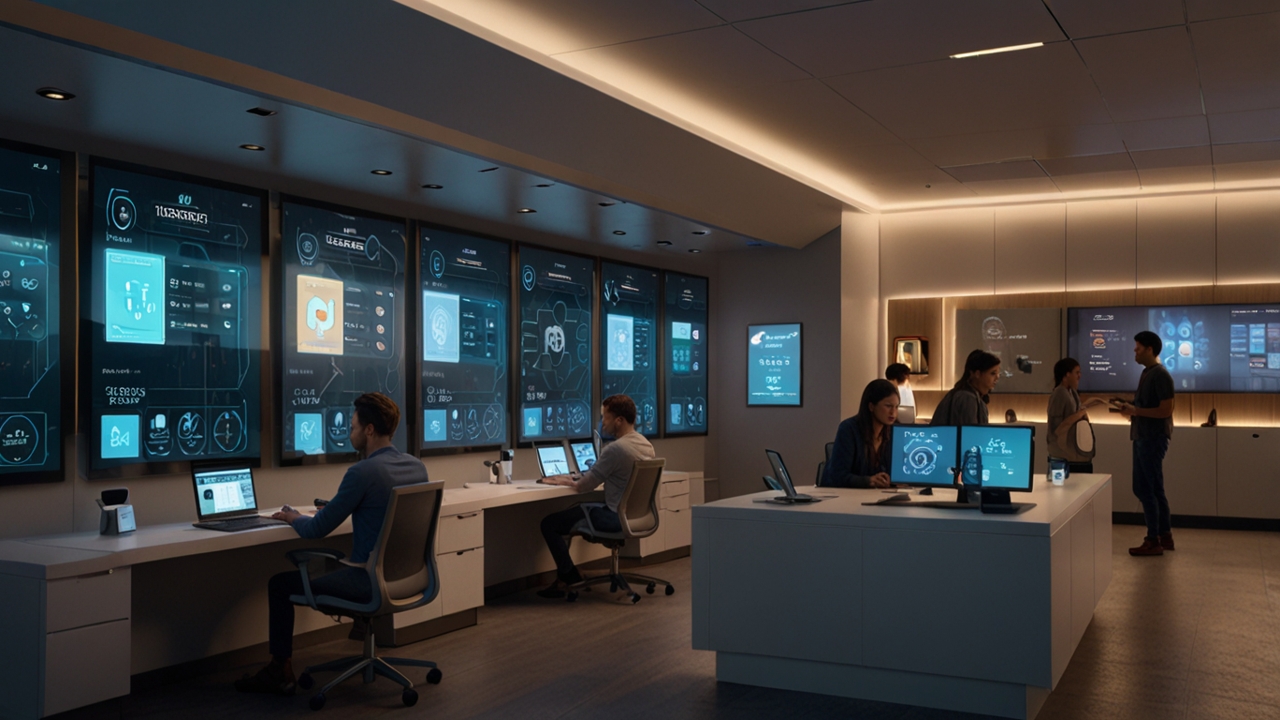
The future of dormitory communication lies in adopting smart systems that integrate artificial intelligence and data-driven insights. These technologies can analyze resident behavior, feedback, and engagement patterns to suggest improvements in management strategies. For instance, AI chatbots can assist residents with common inquiries 24/7, while predictive analytics can help administrators anticipate maintenance needs or peak communication times. By leveraging data, dormitories can make informed decisions that enhance operational efficiency and resident satisfaction.
Smart dormitory systems also improve accessibility for all residents. Voice-activated assistants, language translation tools, and real-time alerts ensure that every resident, regardless of background or ability, stays informed and connected. These features foster inclusivity and ensure that communication remains equitable and effective. Dormitories that embrace these innovations position themselves as forward-thinking institutions that care about their residents’ evolving needs.
Ultimately, the integration of technology with human-centered communication practices creates the ideal dormitory environment. Balancing automation with personal interaction ensures that residents receive both convenience and care. As dormitory living continues to evolve, the institutions that prioritize smart, transparent, and empathetic communication will stand out as leaders in providing safe, engaging, and connected communities for all.
RELATED POSTS