
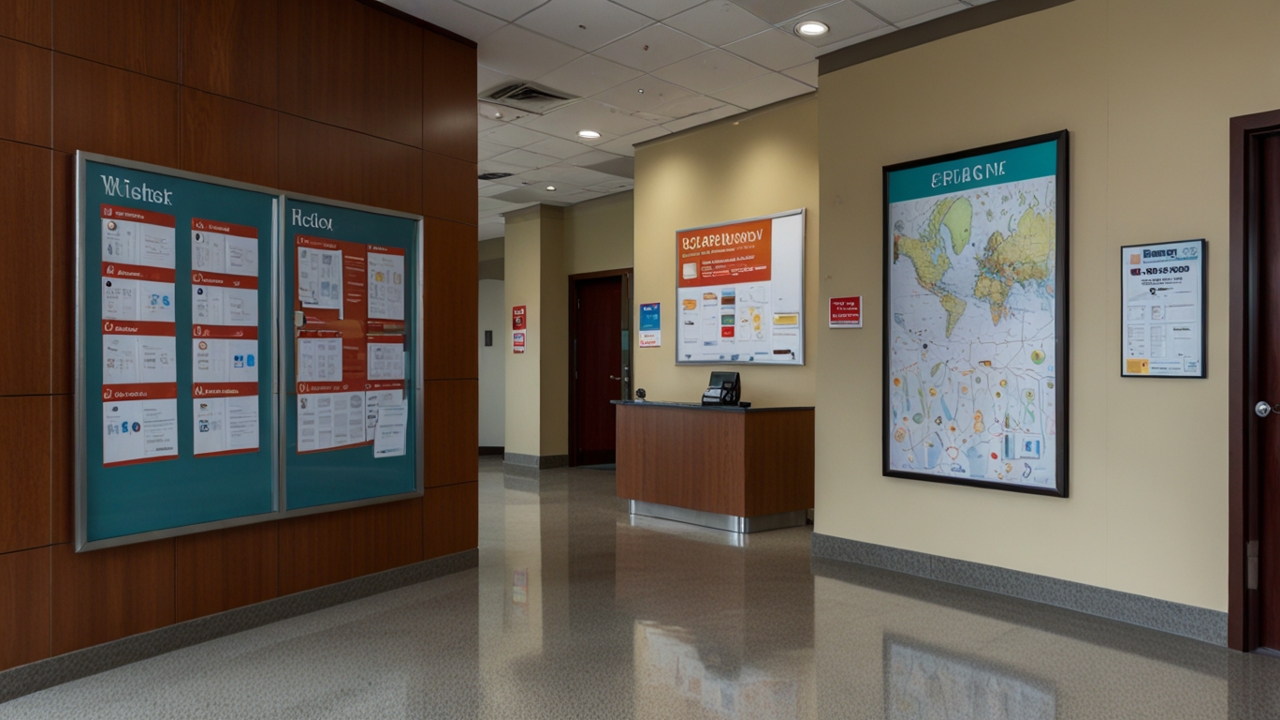
Bulletin boards in residential buildings serve as essential tools for communicating key information that residents need to stay safe and informed. Unlike digital notifications that can be missed, ignored, or lost in overflowing inboxes, physical bulletin boards offer a constant point of reference that residents encounter daily as they move throughout shared spaces. They create a reliable communication channel that is easily accessible to everyone, regardless of age, technological familiarity, or access to mobile devices. When strategically placed in high-traffic locations such as lobbies, hallways, or entry points, bulletin boards ensure that important alerts and instructions remain visible and top-of-mind.
Beyond daily communication, bulletin boards play a vital role in emergency preparedness. Whether it is fire evacuation routes, earthquake safety guidelines, or reminders about scheduled safety inspections, having this information available in a highly visible format helps residents feel informed and prepared. They foster awareness, reduce emergency confusion, and reinforce safety measures by making essential instructions readily available. Most importantly, bulletin boards standardize information distribution, preventing misinformation and ensuring that everyone receives the same guidance at the same time.
Bulletin boards also strengthen the sense of community responsibility. When residents see shared safety reminders, they understand that preparedness is not only an individual duty but also a collective effort. This shared visibility encourages cooperation, accountability, and proactive readiness. As buildings continue to adapt to modern safety standards, bulletin boards remain an invaluable tool in ensuring that residents stay informed, connected, and prepared.
How Bulletin Boards Support Emergency Preparedness
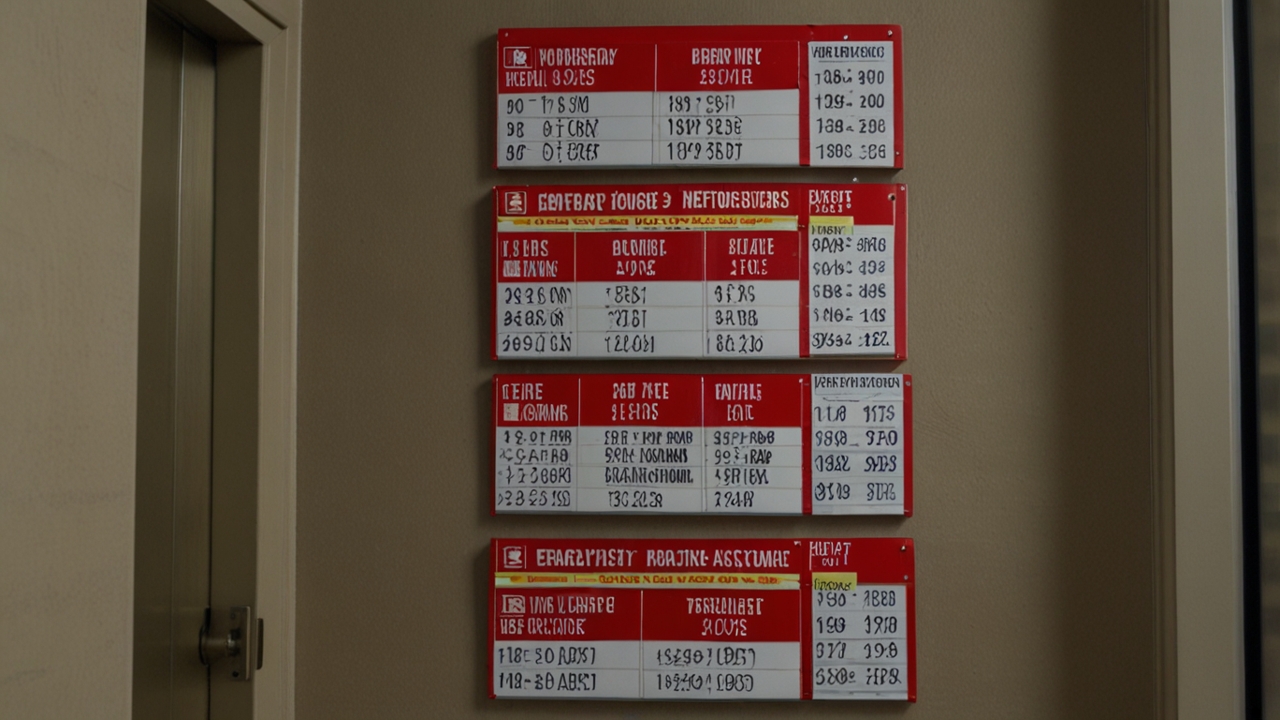
Emergency preparedness depends heavily on clear communication, and bulletin boards provide residents with the critical information they need before emergencies occur. These boards often include fire escape routes, emergency contact numbers, guidelines for what to do during earthquakes or typhoons, and locations of safety equipment such as extinguishers or emergency exits. Having this information continuously displayed helps residents absorb and remember it over time, reducing uncertainty and hesitation in crisis situations. The more familiar residents are with safety procedures, the faster and more effectively they can respond when necessary.
Bulletin boards also offer a stable communication method during emergencies when technology may fail. Power outages, internet disruptions, or drained mobile batteries can leave many without access to digital alerts. In such scenarios, a physical board becomes a dependable source of guidance. Posted instructions, muster points, and updated alerts can guide residents even when digital systems are offline. This reliability ensures that crucial information remains available regardless of technological limitations.
In addition, bulletin boards can serve as designated update points during ongoing emergencies. Building management can post real-time updates, such as when it is safe to return to the building after an evacuation or when utility services will be restored. By directing residents to a known central information area, it reduces confusion, crowds, and panic. The ability to distribute consistent messaging during evolving situations makes bulletin boards integral to a building’s emergency communication plan.
Types of Emergency Alerts Displayed on Bulletin Boards
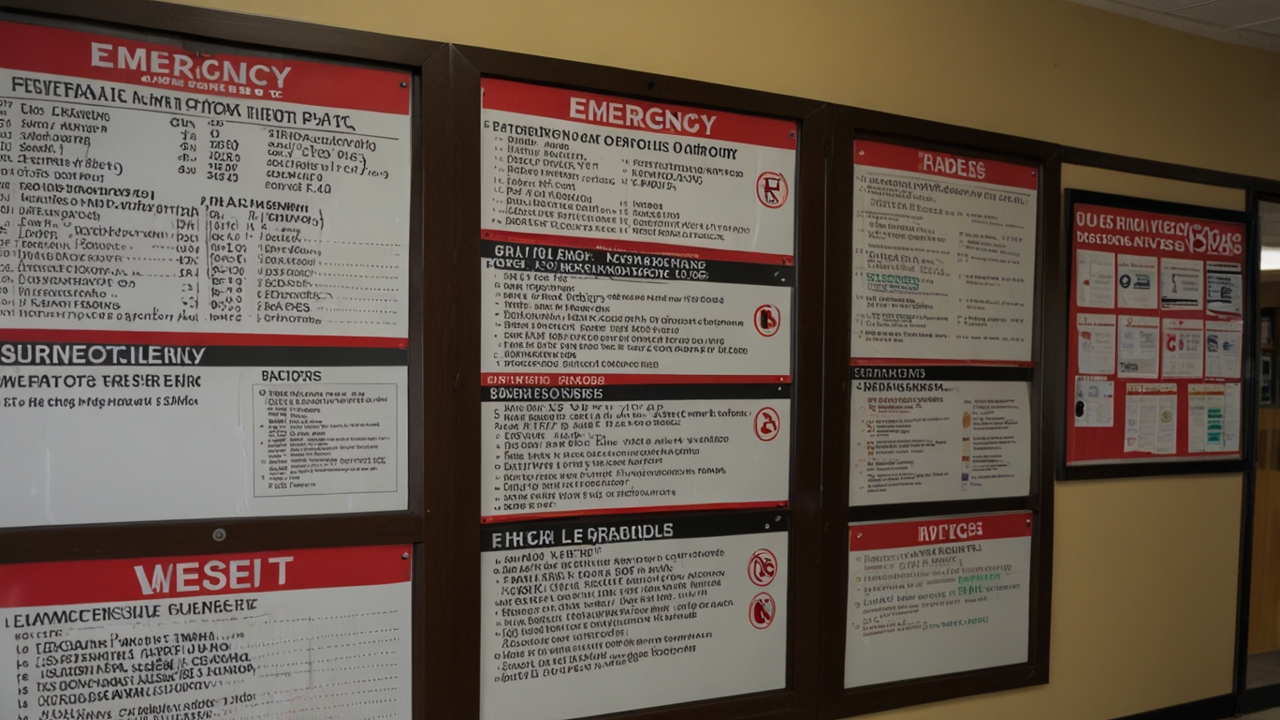
Residential bulletin boards can display a wide range of emergency alerts depending on the building’s location, structure, and local regulations. Fire safety reminders are among the most common, including evacuation paths and instructions on how to respond when smoke alarms activate. For buildings in areas prone to natural disasters, boards may feature information on earthquake drills, typhoon readiness plans, or flood prevention measures. These visual references help residents quickly recall the appropriate response when every second counts.
Health and safety alerts are also important, especially in shared living environments. Notices can include disease prevention guidelines, sanitation reminders, emergency hotline numbers, or steps to take during medical emergencies. During periods of public health concern, such as viral outbreaks, bulletin boards become central hubs for distributing actionable guidance. In addition to promoting safety, these postings help reassure residents that building management is actively monitoring and responding to health risks.
Security alerts are another key category. Management may post warnings about suspicious activity, visitor policies, package handling procedures, or reminders to lock common doors. By keeping residents informed about security issues, bulletin boards play a crucial role in crime prevention and community vigilance. With clear and visible messaging, residents stay aware, cautious, and prepared to take necessary precautions.
Placement Strategies for Maximum Visibility and Awareness
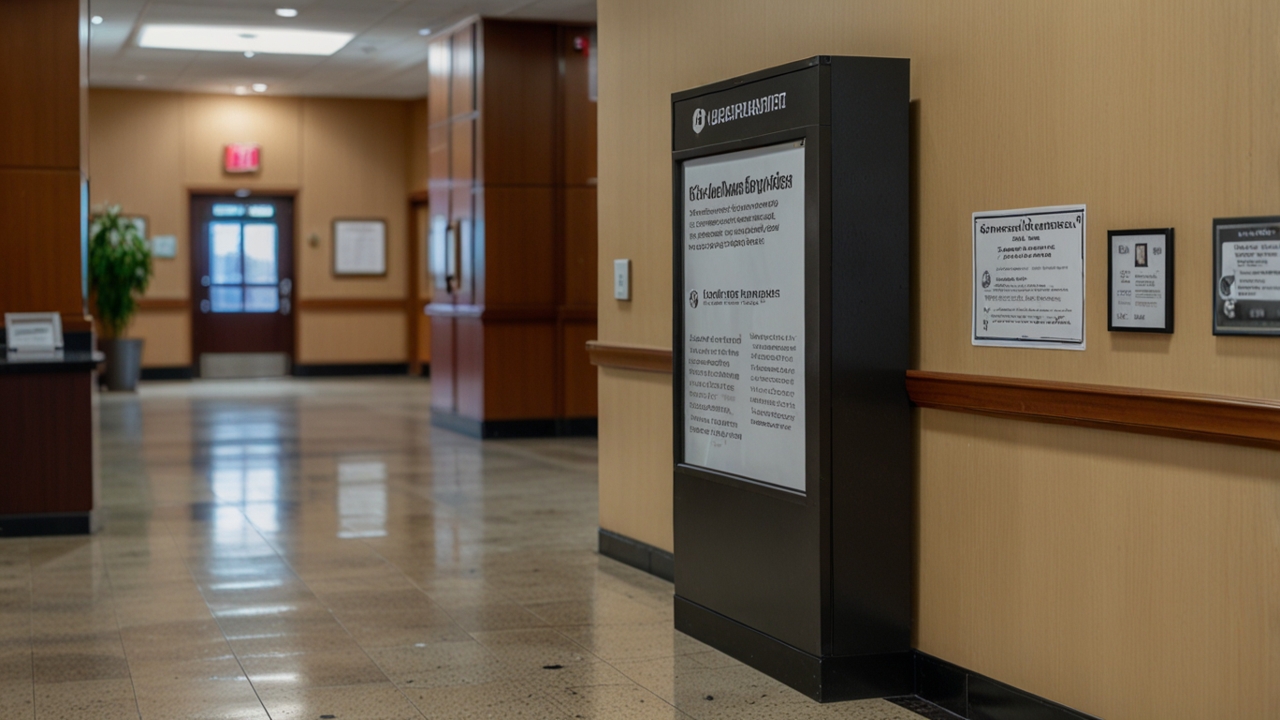
The effectiveness of bulletin boards heavily depends on where they are placed within the building. High-traffic areas ensure maximum exposure since residents naturally pass through these spaces multiple times per day. Lobbies, elevator waiting areas, mail collection points, and main entrance corridors are ideal locations because residents are more likely to stop, pause, and read posted information. Proper lighting and eye-level positioning further enhance visibility and engagement.
However, strategic placement goes beyond convenience. Bulletin boards in emergency-critical locations such as stairwells or exit pathways can serve as guidance stations during evacuations. These boards may include evacuation maps, directional arrows, and emergency contact numbers that help residents navigate safely and calmly. Additionally, having multiple bulletin board locations throughout the building ensures accessibility for those living on different floors, reducing reliance on a single central source.
Maintenance and organization also influence visibility. A bulletin board cluttered with outdated or irrelevant information can cause residents to overlook important notices. Regular updating, categorizing content, and removing expired postings keep the board clear, readable, and trusted. When residents know that the information is current and purposeful, they are more likely to pay attention and respond accordingly.
Encouraging Community Engagement with Safety Information
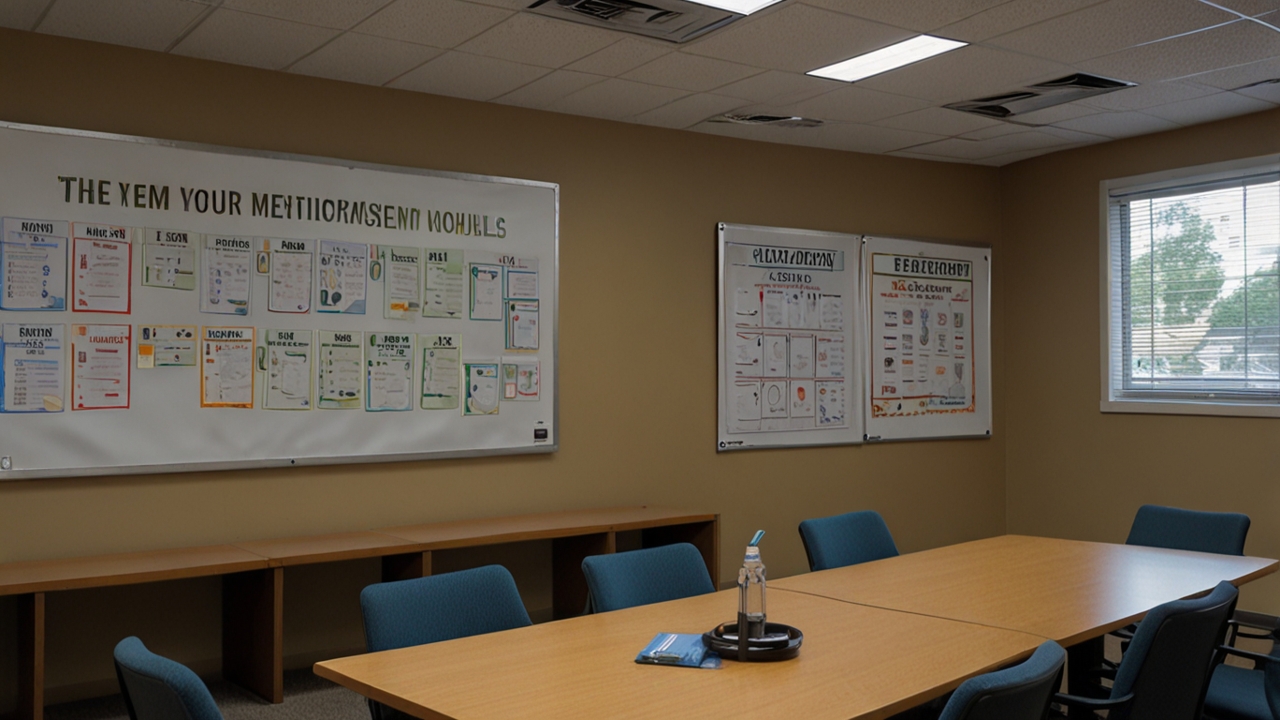
Bulletin boards do more than display information; they can encourage active participation in building safety efforts. By inviting residents to attend drills, volunteer as emergency marshals, or participate in safety briefings, the bulletin board transforms from a passive tool into a community engagement platform. When residents are involved in discussions and preparedness activities, they are more likely to take emergency procedures seriously and act quickly when necessary.
Community involvement also fosters a culture of shared responsibility. When residents understand that safety is a collective effort, they are more attentive to posted alerts and more willing to follow guidelines. This shared awareness strengthens the overall resilience of the building, as prepared communities are better equipped to support one another during emergencies. Bulletin boards can highlight success stories, display photographs from drills, or showcase safety-related achievements to further encourage participation.
Additionally, feedback systems can be integrated through the bulletin board by including contact details, suggestion slips, or QR codes linking to safety surveys. This allows residents to voice concerns, ask questions, or suggest improvements to building safety measures. When residents see that their input leads to changes, it builds trust and cooperation between management and the community.
RELATED POSTS