
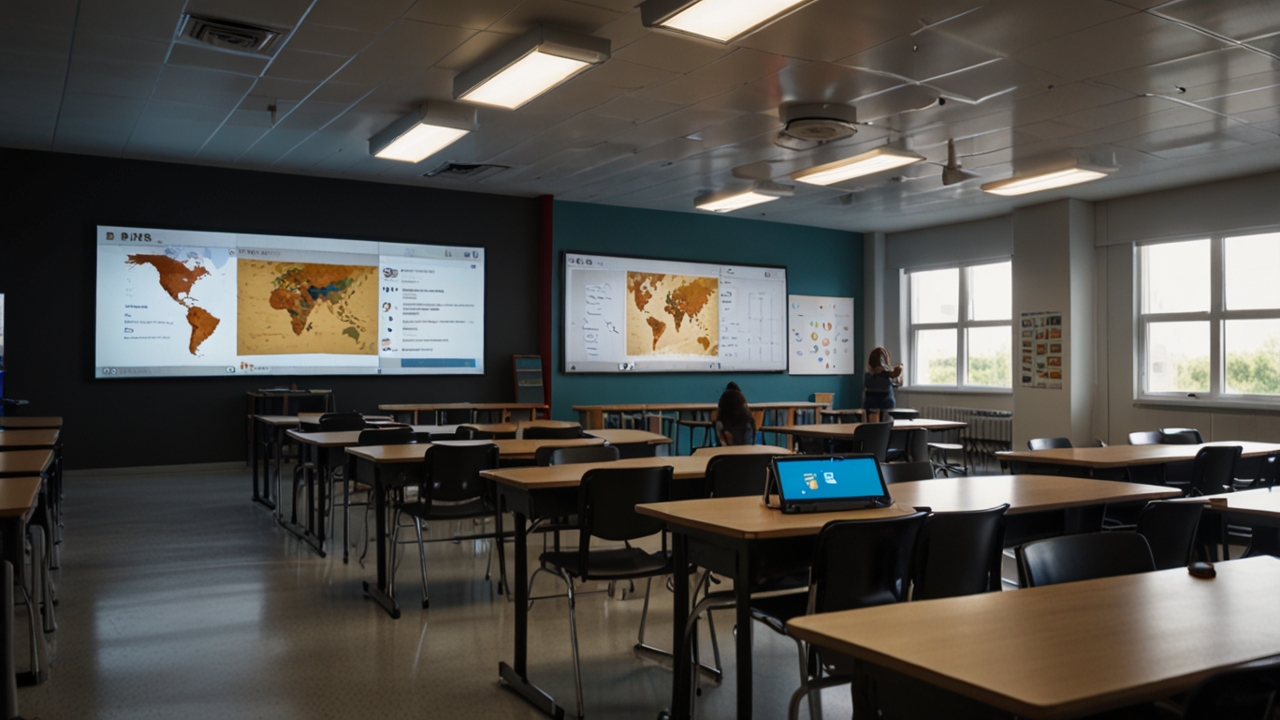
Modern classrooms are no longer confined to traditional visuals like chalkboards and printed handouts. Over the past two decades, the entire communication landscape in education has shifted toward more dynamic, digital-first formats that promote faster understanding and deeper engagement. Teachers use a combination of screens, digital worksheets, interactive platforms, and collaborative online boards to transmit information. This evolution has not only changed how lessons are delivered but also how students absorb, process, and retain knowledge throughout the school day.
This transformation has been heavily influenced by the growing need to adapt to fast-paced learning environments. Students of today are immersed in a world driven by smartphones, apps, and instant access to information, which means their learning habits naturally adjust to these digital behaviors. As a result, schools have had to upgrade teaching methods, including the adoption of platforms that support real-time feedback, multimedia integration, and student-driven exploration. Communication tools became more inclusive, allowing students with diverse learning styles to stay fully immersed during lessons.
With new communication technologies, classrooms have also become more connected beyond physical limitations. Students can now interact with materials anytime, collaborate in real-time even while off campus, and revisit lessons through recorded videos or shared files. This kind of accessible communication system cultivates independent learning and prepares students for modern work environments where digital collaboration is essential. The shift from chalkboard-focused teaching to tech-enhanced communication ultimately strengthens both academic performance and engagement.
The Role of Technology in Enhancing Classroom Dialogue
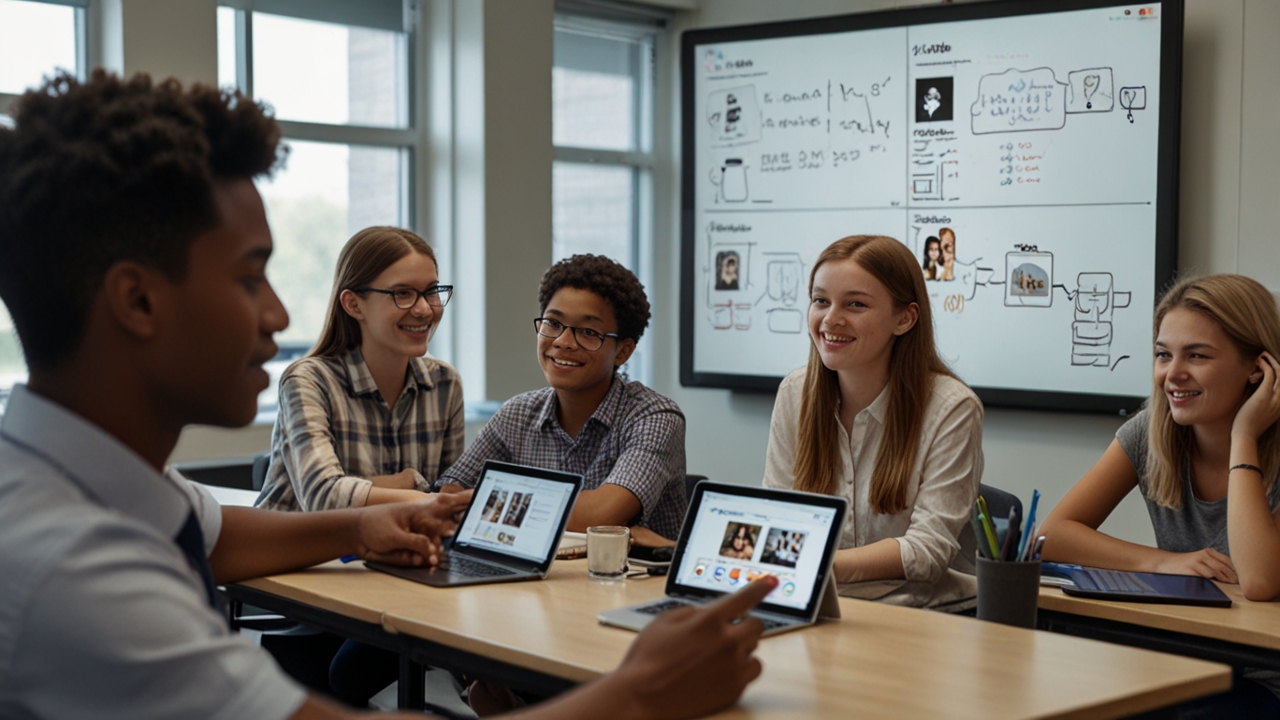
Technology has dramatically expanded the ways students and teachers can communicate during lessons. Interactive whiteboards allow teachers to present diagrams, videos, and real-time annotations more effectively than chalkboards ever could. Digital tablets and laptops give students the ability to participate actively, whether through polling apps, shared documents, or instant messaging systems designed for academic purposes. This creates a multi-layered learning experience where students engage visually, verbally, and digitally all at once.
Another major benefit of technology is the ability to personalize communication. Teachers can provide targeted feedback to individual students through online platforms, ensuring that each learner receives guidance suited to their level and pace. Students can ask questions privately without feeling embarrassed, and teachers can clarify misunderstandings before they turn into learning gaps. This personalized interaction strengthens teacher-student relationships and boosts classroom participation because students feel more confident and supported.
Moreover, technology has allowed classrooms to reach beyond the four walls. Video conferencing, virtual field trips, and online guest lectures allow students to communicate with experts, authors, scientists, and professionals without leaving school. These interactions enrich classroom dialogue by exposing learners to different perspectives and real-world applications of what they study. Such experiences reinforce critical thinking and make lessons more relevant to students’ future careers.
Communication in Dormitories and Learning Communities
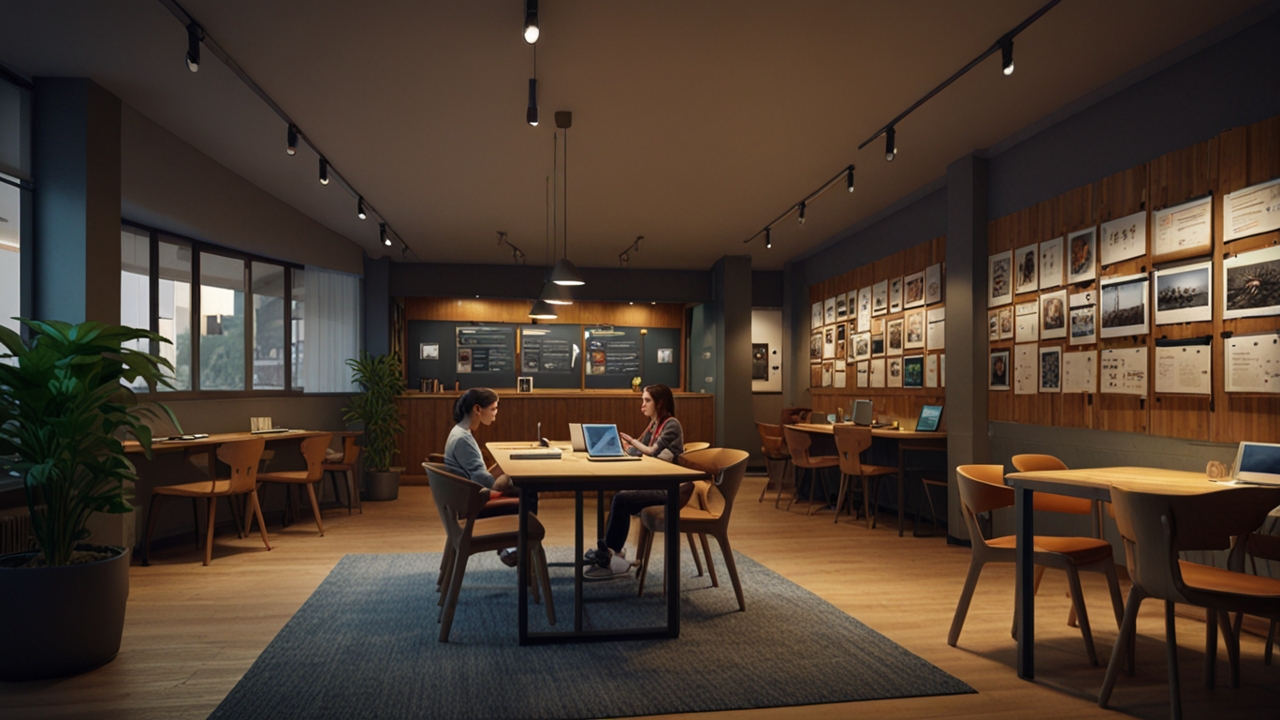
Dormitories play a significant role in shaping how students communicate outside of classroom hours. These living environments encourage peer-to-peer learning through shared spaces, group study sessions, and informal conversations that build academic confidence. When students live together, communication becomes more natural and constant, giving them opportunities to reinforce lessons, ask for help, and exchange ideas in a comfortable setting. Dormitory communication often complements schoolwork by promoting teamwork and mutual support.
In modern dormitories, communication tools are more advanced, allowing residents to coordinate schedules, group tasks, and community activities with ease. Digital bulletin boards, mobile apps, and online community forums help dorm supervisors and students stay informed about announcements, safety reminders, and academic updates. This ensures that every student remains connected and aware, which is especially crucial in large campuses with diverse student populations. With streamlined communication, dorm life becomes more organized and inclusive.
Living-learning communities within dormitories further enhance communication by creating themed environments where students with similar academic interests can collaborate more closely. These communities encourage discussions that extend beyond assigned coursework, often inspiring research ideas, creative projects, and long-term friendships. When communication thrives in dormitories, the entire campus benefits from a more engaged, motivated, and connected student body.
Breaking Barriers to Classroom Participation
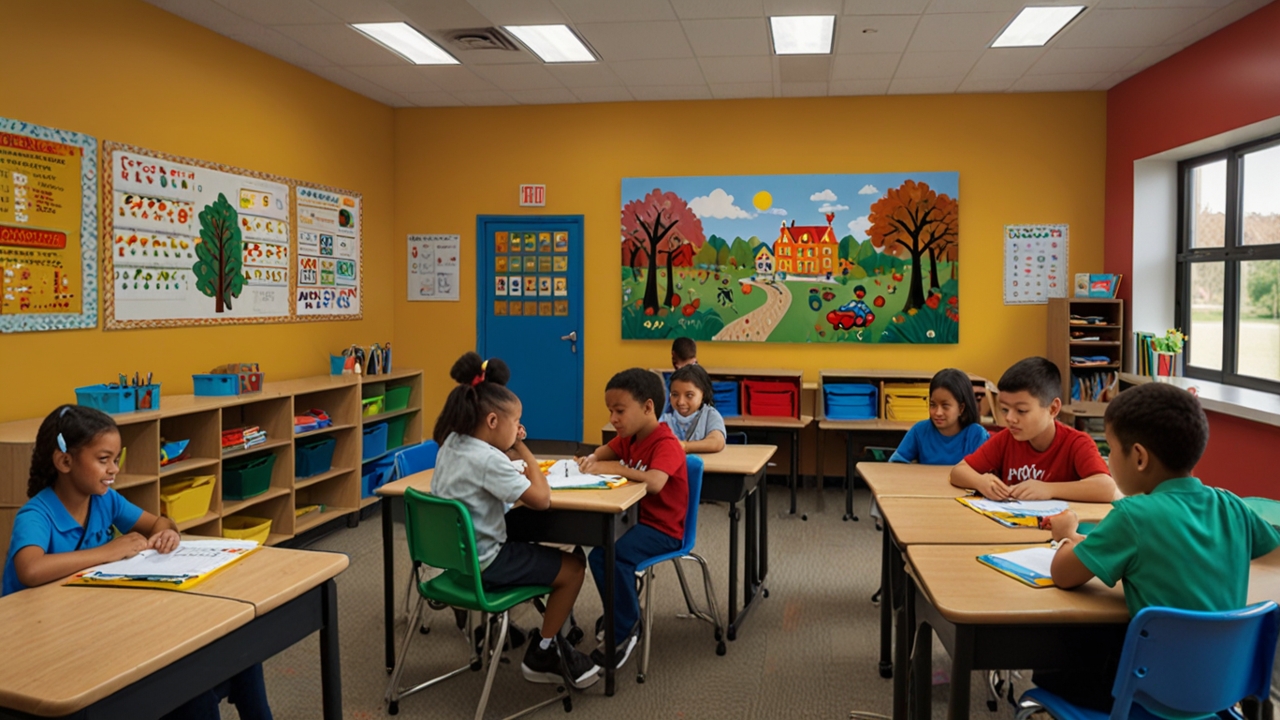
Effective communication in schools often requires breaking down barriers that prevent students from participating fully. Shyness, language differences, and fear of making mistakes can discourage students from speaking up during lessons. Modern teaching practices incorporate tools such as anonymous polling, chat-based questions, and small group activities to provide safe, low-pressure communication environments. These techniques help students express themselves confidently, which leads to more meaningful classroom discussions.
Inclusivity also plays a major role in overcoming communication challenges. Teachers now employ visual aids, translated materials, simplified instructions, and multi-sensory teaching methods to accommodate students with varying learning needs. These approaches ensure that every student, regardless of background, can understand and contribute to classroom activities. When students feel understood and supported, they are more willing to communicate openly and participate in collaborative tasks.
Moreover, building communication confidence often requires consistent encouragement from teachers. Constructive feedback, positive reinforcement, and opportunities for leadership roles within group projects can gradually empower students who are hesitant to speak up. Over time, students develop stronger communication skills that benefit not only their academic performance but also their social and emotional growth. When participation barriers are addressed effectively, classroom communication becomes more vibrant and productive.
The Future of School Communication Systems

The future of communication in schools points toward even more integration of smart technologies and connected platforms. Artificial intelligence is expected to play a major role in analyzing student progress, predicting learning challenges, and facilitating personalized communication between teachers and learners. Schools may adopt advanced systems that allow students to access all their learning materials, feedback, and announcements through a single, unified interface, making communication smoother and more efficient.
Classrooms of the future may also rely heavily on immersive technologies such as virtual and augmented reality. These tools can transform communication by enabling students to interact with 3D models, simulations, and virtual environments that enhance understanding. Teachers will be able to explain complex concepts visually while encouraging interactive discussions based on shared virtual experiences. This type of communication encourages curiosity and deeper learning engagement.
Dormitories and campus living spaces will likewise evolve, implementing more sophisticated communication systems to ensure safety, community engagement, and academic collaboration. Smart dorm applications may track attendance, send emergency alerts, coordinate group study rooms, and help students stay connected socially and academically. As these systems continue to advance, the relationship between classroom learning and dormitory life will become more interconnected, creating a seamless communication ecosystem for all students.
RELATED POSTS