

A major challenge in government offices is fragmented communication. Different departments often use separate systems for announcements, notifications, and citizen interactions, leading to inconsistent messaging. Centralized digital platforms allow offices to unify communication across departments, ensuring that all public-facing messages follow the same standards and reach the right audience at the right time.
Centralization improves internal coordination as well. When staff members rely on a single communication dashboard, updates can be shared instantly across teams. This reduces duplicated efforts, minimizes miscommunication, and allows government employees to respond more efficiently to public inquiries. Central platforms also make it easier to archive information, track changes, and maintain accountability.
For citizens, centralized communication means fewer points of confusion. Instead of navigating multiple websites or offices, they can access announcements, service updates, and official notices through a single trusted source. This clarity strengthens public confidence and encourages greater engagement with government services.
Expanding Multi-Channel Communication for Public Access

Not all citizens access information in the same way, which makes multi-channel communication essential. Government offices must go beyond traditional methods by integrating email notifications, SMS alerts, mobile apps, digital signage, and official social media channels. This ensures that critical information reaches people regardless of their preferred communication method.
Multi-channel systems are especially important during emergencies, policy changes, or service disruptions. Real-time alerts sent via SMS or push notifications can keep citizens informed immediately, reducing confusion and panic. Meanwhile, detailed explanations can be published on official websites or apps for those seeking more context.
Consistency across channels is key. Messages must remain accurate and aligned, regardless of where they are published. A well-managed multi-channel strategy reinforces credibility and ensures that citizens receive reliable information without conflicting updates from different sources.
Improving Accessibility and Inclusivity in Public Messaging
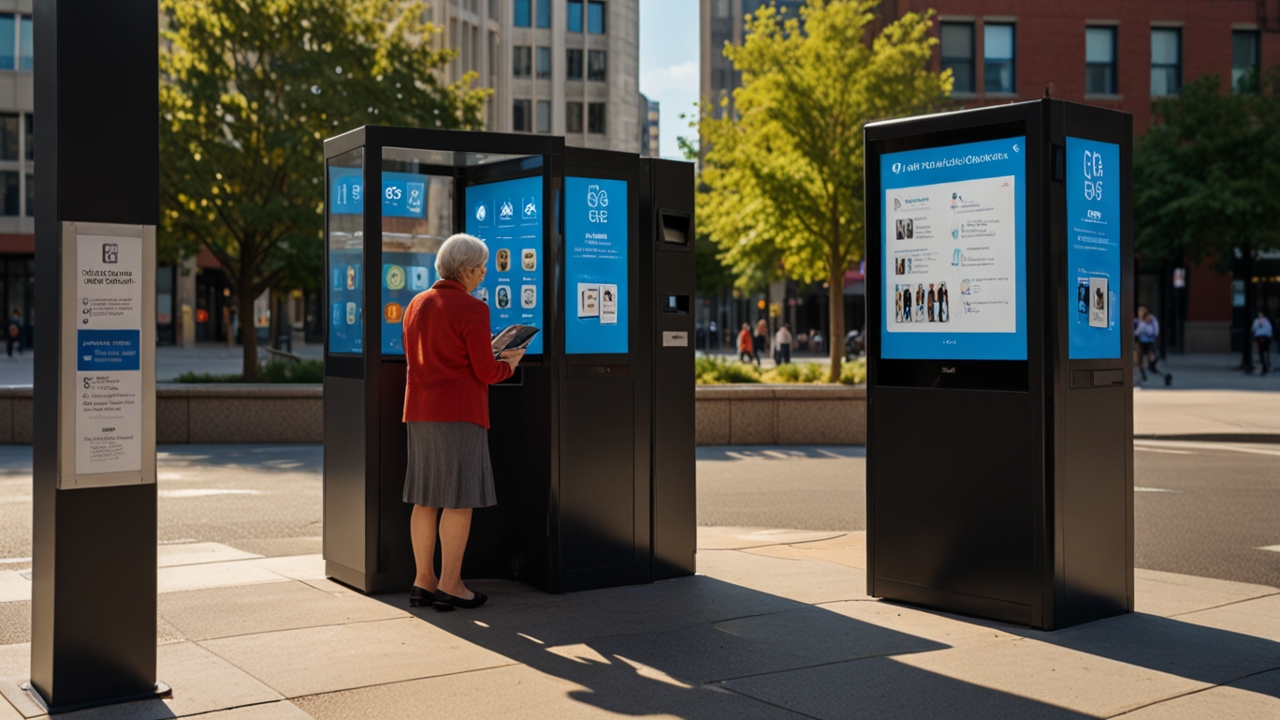
Effective communication must be accessible to all citizens, including those with disabilities, language barriers, or limited digital literacy. Government offices should prioritize accessibility features such as screen-reader compatibility, high-contrast text, multilingual support, and simplified language in all communication materials.
Inclusive messaging builds trust and ensures that no group is left behind. Providing information in multiple languages and formats allows government services to reach broader communities. Clear instructions, visual icons, and step-by-step explanations help reduce misunderstandings and increase compliance with policies and procedures.
Accessibility also extends to physical spaces. Digital kiosks, electronic bulletin boards, and assistive technologies within government buildings can support visitors who may struggle with traditional printed materials. By designing communication with inclusivity in mind, public institutions demonstrate fairness, transparency, and social responsibility.
Using Data and Feedback to Refine Communication Strategies

Modern communication systems allow government offices to collect valuable data on how messages are received and acted upon. Metrics such as open rates, click-through rates, and response times provide insights into which communication channels are most effective. This data-driven approach enables continuous improvement.
Citizen feedback is equally important. Surveys, digital forms, and feedback kiosks allow the public to share their experiences and highlight areas of confusion or inefficiency. By analyzing this input, government offices can refine their messaging to be clearer, more relevant, and more user-friendly.
Data-driven communication also supports better decision-making. Understanding public behavior and preferences helps offices allocate resources more efficiently and prioritize the most impactful communication efforts. Over time, this leads to more responsive and citizen-centered public services.
Ensuring Security and Trust in Government Communication Systems

Security is a critical component of modern government communication. Citizens must trust that the information they receive is authentic and that their personal data is protected. Secure communication platforms with encryption, access controls, and verified messaging channels help prevent misinformation and data breaches.
Official communication channels should be clearly identifiable to avoid confusion with unofficial or fraudulent sources. Verified government apps, authenticated email domains, and secure notification systems reinforce public trust and reduce the risk of scams or misinformation spreading among citizens.
By prioritizing security, government offices demonstrate responsibility and professionalism. Transparent data policies, regular system updates, and compliance with privacy regulations further strengthen credibility. Trustworthy communication systems not only protect citizens but also enhance the overall reputation of public institutions.
RELATED POSTS