

Residential buildings generate a significant amount of printed material every month, including announcements, maintenance schedules, community rules, safety reminders, and event flyers. These notices are often printed in bulk, distributed manually, and replaced frequently, resulting in unnecessary paper consumption and ongoing operational costs. Over time, this practice contributes to increased waste output and higher expenses for building management, especially in large residential complexes with frequent updates.
Digital notices offer a modern alternative by centralizing communication into a single, easily accessible platform. Instead of printing and posting physical materials, building administrators can share updates through digital screens, resident portals, or mobile-accessible notice boards. This transition significantly reduces paper usage while ensuring information reaches residents more efficiently and consistently across the entire building.
Beyond environmental benefits, digital notices improve communication clarity and reliability. Printed notices can be damaged, removed, or overlooked, while digital messages remain visible and up to date. Residents benefit from clearer messaging, fewer missed announcements, and a more organized flow of information that supports sustainable living practices within the residential community.
The Environmental Impact of Print Waste in Residential Communities
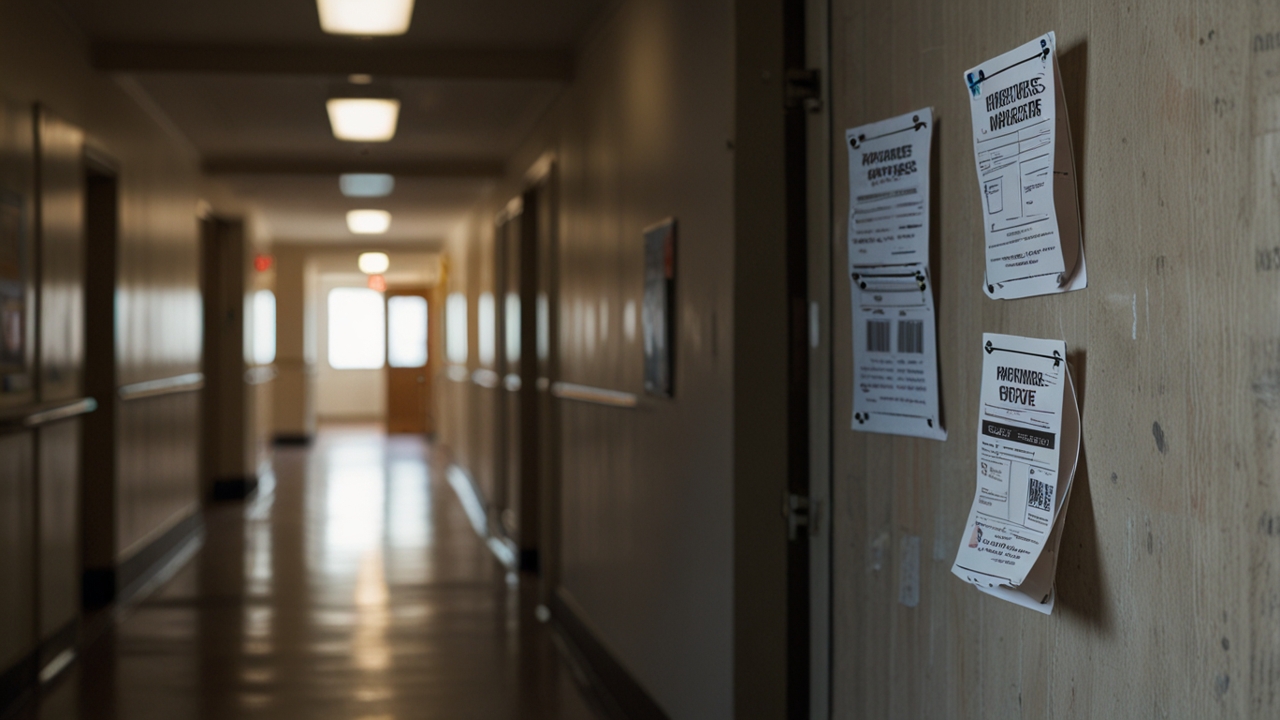
Paper waste generated by residential buildings contributes directly to deforestation, water consumption, and energy use associated with paper production. Even when recycling systems are in place, not all printed materials are properly recycled, especially notices that are discarded quickly after short-term use. Over time, this creates an environmental footprint that contradicts sustainability goals many residential communities aim to achieve.
In addition to paper, printed notices often require ink, adhesives, and plastic coverings, all of which add to environmental strain. Frequent reprinting also increases carbon emissions through transportation, printing equipment usage, and waste disposal processes. These hidden environmental costs accumulate rapidly, particularly in multi-building complexes with high resident turnover or frequent communications.
By replacing printed notices with digital alternatives, residential communities can significantly reduce their environmental impact. Digital systems eliminate recurring paper consumption and lower the demand for printing supplies. This shift supports greener living initiatives and demonstrates a building’s commitment to responsible environmental stewardship, which increasingly matters to residents who prioritize sustainability.
How Digital Notice Systems Improve Communication Efficiency
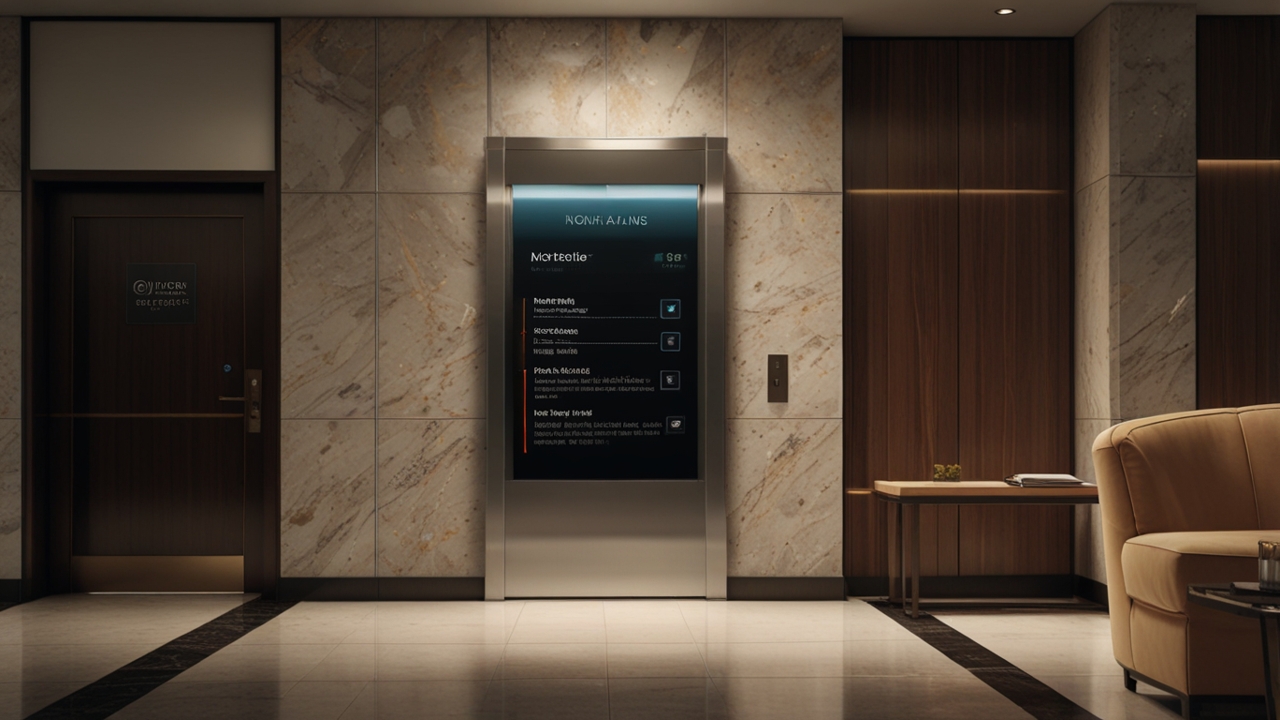
Printed notices rely heavily on physical placement and resident attention, which can vary widely. Notices may be placed in areas with low foot traffic or removed before all residents have seen them. Digital notice systems solve this issue by displaying information in high-visibility locations such as lobbies, elevators, and shared spaces, ensuring consistent exposure for all residents.
Digital notices also allow for real-time updates, which is not possible with printed materials. Maintenance schedule changes, emergency alerts, or event reminders can be updated instantly without the delay and expense of reprinting. This ensures residents always receive accurate and timely information, reducing confusion and minimizing the need for follow-up communication.
Furthermore, digital systems support multiple message formats, including visuals, icons, and scheduled rotations. This enhances readability and engagement while allowing management to organize messages by priority. As a result, communication becomes more efficient, professional, and responsive to the dynamic needs of residential living.
Cost Savings and Operational Benefits for Building Management

Printing notices involves recurring expenses such as paper, ink, printing services, and staff time for distribution. Over months and years, these costs add up, placing unnecessary strain on building operational budgets. Digital notice systems represent an upfront investment that quickly pays for itself by eliminating ongoing printing-related expenses.
Operational efficiency also improves when staff no longer need to manually post, replace, or remove physical notices. Property managers can update messages remotely from a single dashboard, saving time and reducing labor demands. This allows management teams to focus on higher-value tasks such as resident services, maintenance coordination, and community engagement.
Additionally, digital notices reduce errors and inconsistencies caused by outdated printed materials remaining on display. Centralized control ensures that only current and approved information is visible, improving trust and transparency between management and residents while streamlining daily operations.
Enhancing Resident Experience Through Sustainable Communication
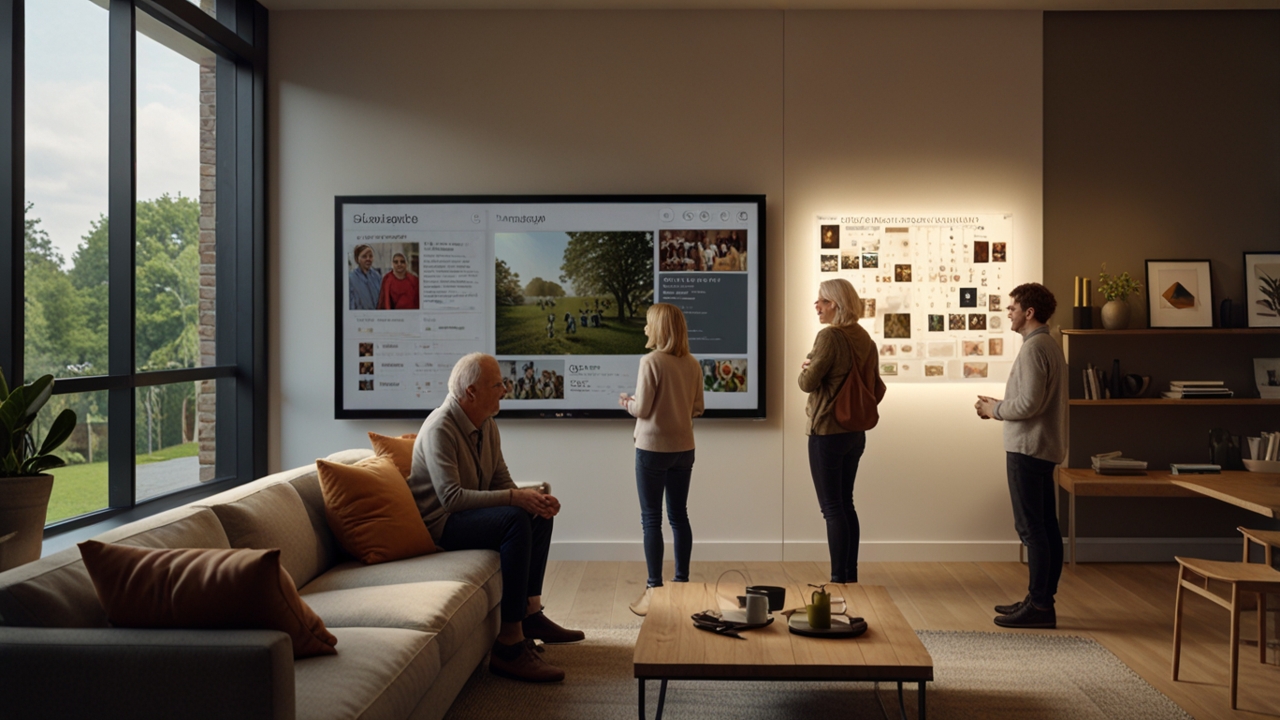
Residents increasingly expect modern, environmentally responsible living environments. Digital notices align with these expectations by reducing waste and offering a more convenient way to stay informed. Residents no longer need to rely on paper flyers or bulletin boards, as information is clearly presented in shared spaces or accessible digitally.
Sustainable communication also fosters a stronger sense of community. Digital platforms can highlight local initiatives, community events, safety reminders, and shared achievements, creating a more connected residential environment. When residents feel informed and engaged, satisfaction and trust in building management increase.
By adopting digital notice systems, residential buildings demonstrate leadership in sustainability and innovation. This not only benefits current residents but also enhances the building’s reputation for prospective tenants. A commitment to reducing print waste reflects forward-thinking management and supports long-term environmental and community goals.
RELATED POSTS