
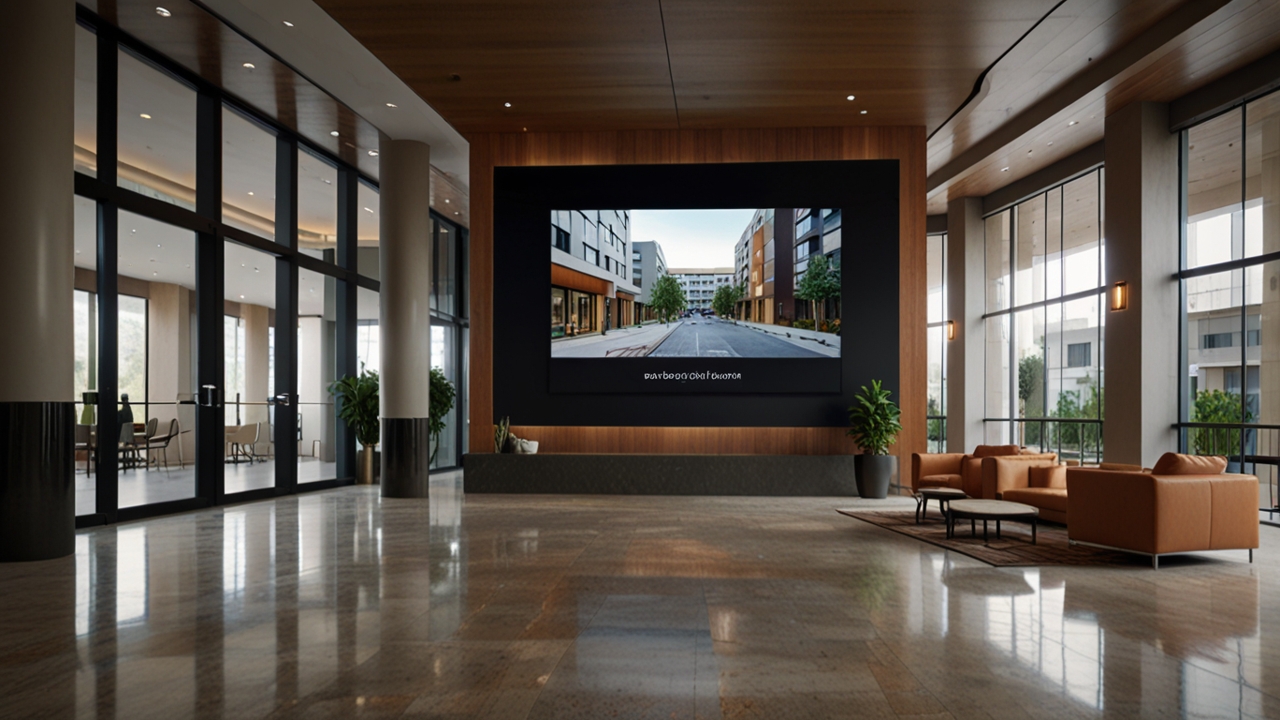
In residential buildings, tenant satisfaction is closely tied to how well information is shared. When communication is unclear, delayed, or inconsistent, even small issues can feel frustrating for residents. Notices posted on paper boards, elevators, or doors are often missed, removed, or outdated, leading to confusion and repeated questions to property management. Clear communication builds trust and reassures tenants that their living environment is organized, safe, and well-managed.
Digital communication platforms transform how building managers deliver essential information. Instead of relying on printed notices, updates can be displayed instantly on digital screens located in lobbies, elevators, and common areas. These displays ensure that important messages such as maintenance schedules, water shutdowns, or safety alerts are visible to everyone at the right time. When tenants feel informed, they are more likely to feel respected and valued as part of the community.
Consistent messaging also reduces misunderstandings and complaints. Digital systems allow property managers to standardize announcements across the entire building, ensuring that all residents receive the same information simultaneously. This consistency helps eliminate rumors, reduces repetitive inquiries, and creates a smoother daily experience for both tenants and management teams.
Enhancing Daily Living Through Real-Time Updates
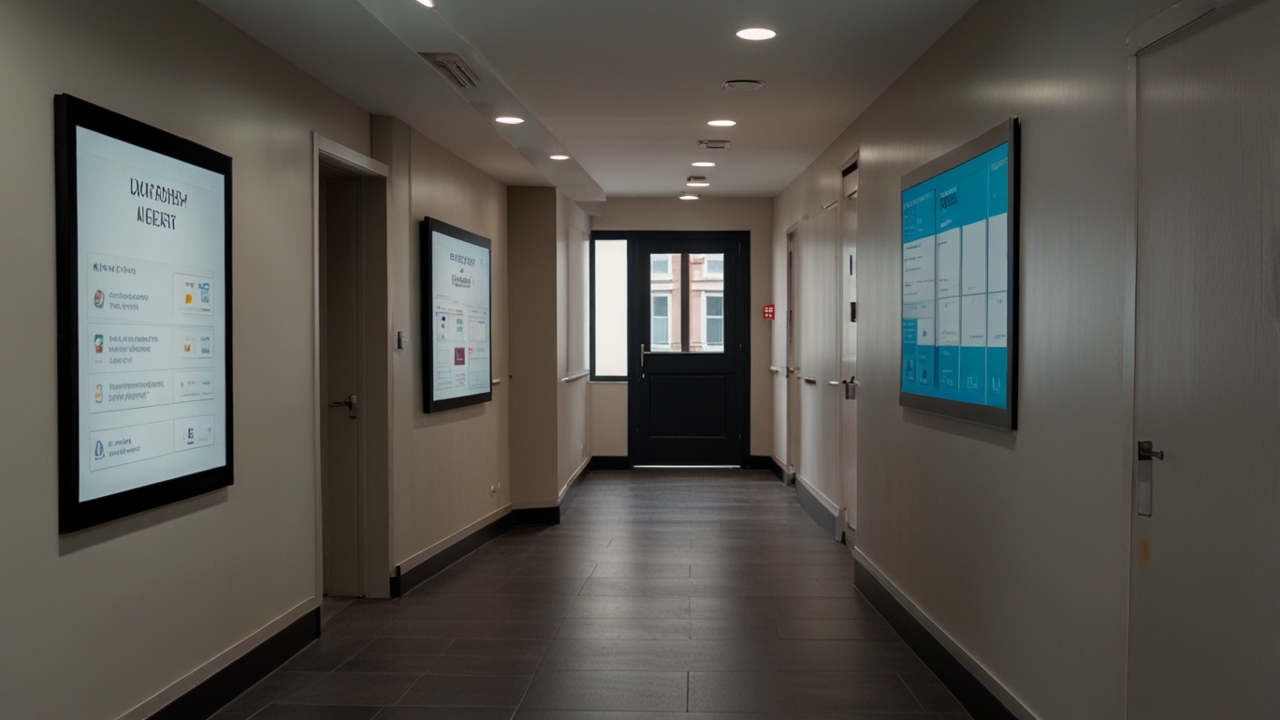
Timely information plays a critical role in daily residential life. Tenants need to know about elevator maintenance, package deliveries, parking updates, and shared facility availability. When updates are delayed or poorly communicated, it disrupts routines and causes unnecessary stress. Digital communication systems ensure that residents receive real-time updates that align with their daily schedules and expectations.
Digital displays and centralized communication tools allow building management to react quickly to changes. If an emergency repair is needed or a service is temporarily unavailable, updates can be pushed instantly without printing notices or manually informing each resident. This responsiveness demonstrates professionalism and shows tenants that management is proactive rather than reactive.
Over time, real-time communication improves the overall living experience. Residents begin to rely on digital boards as a trusted source of information, reducing uncertainty and frustration. This reliability contributes to a sense of stability within the building, which is a key factor in long-term tenant satisfaction and retention.
Building Trust Between Tenants and Property Management
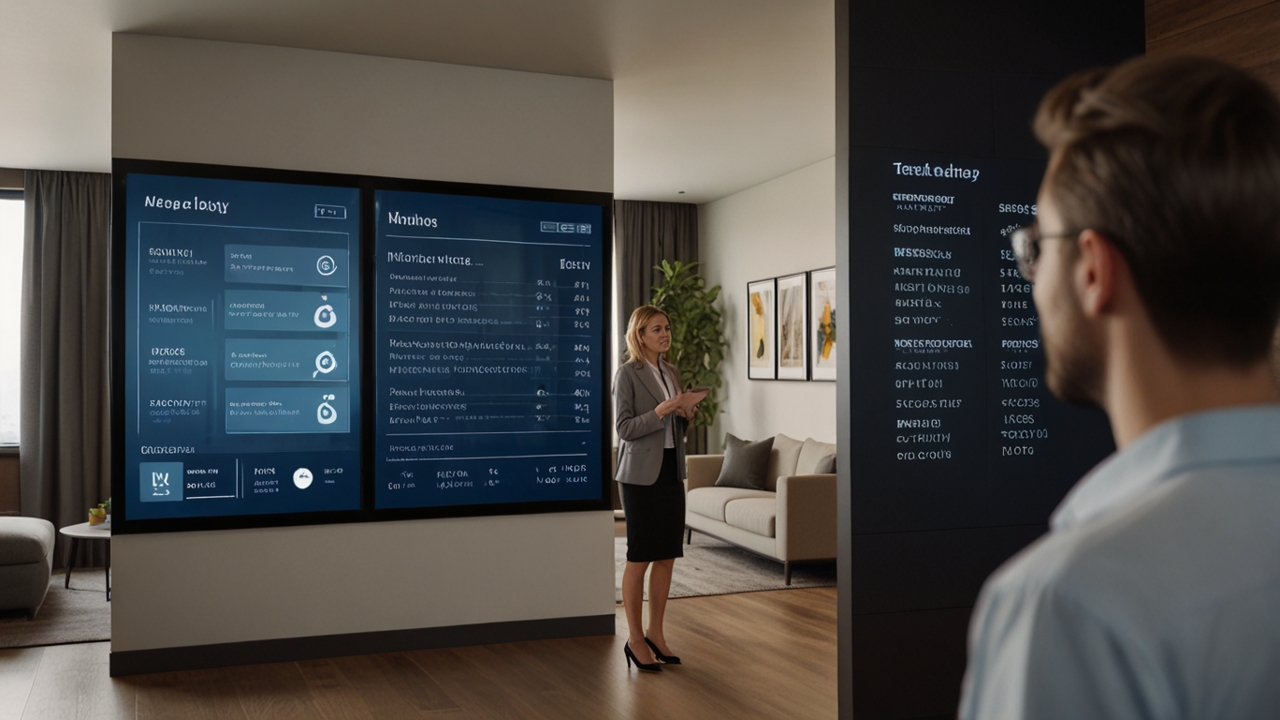
Trust is built through transparency, and communication is the foundation of that transparency. When tenants feel left in the dark about decisions, repairs, or policy changes, confidence in management declines. Digital communication allows property managers to explain updates clearly and consistently, reinforcing openness and accountability.
By sharing planned improvements, renovation timelines, and policy reminders through digital channels, management can set clear expectations. Tenants appreciate knowing what is happening in their building and why certain decisions are made. This openness reduces resistance to change and fosters cooperation between residents and management.
Over time, transparent communication strengthens relationships. Tenants who feel informed are more likely to report issues early, follow building guidelines, and engage positively with management. This mutual trust creates a more harmonious residential environment where problems are resolved efficiently and respectfully.
Creating a Stronger Sense of Community
Residential buildings are more than just places to live; they are shared communities. Digital communication tools can help foster a sense of belonging by highlighting community events, shared amenities, and resident-focused announcements. When tenants feel connected to their building, satisfaction naturally increases.
Digital displays can promote social activities such as fitness classes, holiday gatherings, or maintenance-free days for shared spaces. These messages encourage participation and help residents feel included. Unlike static notice boards, digital systems keep content fresh and engaging, making residents more likely to pay attention.
A stronger community leads to better tenant relationships and a more positive living atmosphere. Residents who feel connected are more likely to respect shared spaces, communicate issues constructively, and remain in the building long-term. Digital communication plays a key role in nurturing this sense of shared identity.
Reducing Operational Stress While Improving Tenant Satisfaction
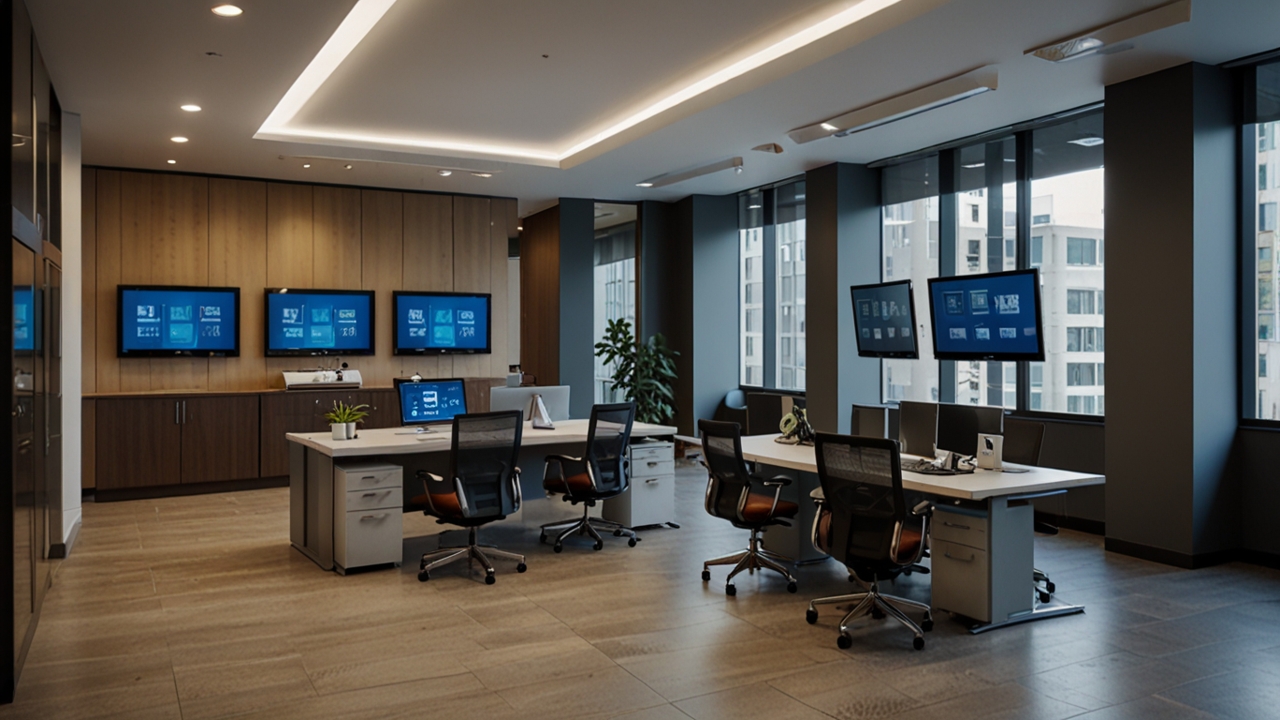
Effective communication benefits not only tenants but also property management teams. Repeated questions, complaints, and misunderstandings consume time and resources. Digital communication systems reduce this burden by delivering clear, centralized information that answers common questions before they arise.
When tenants can easily access updates and announcements, management spends less time responding to individual inquiries. This efficiency allows teams to focus on maintenance, service improvements, and resident engagement rather than constant clarification. The result is a smoother operational workflow and faster response to real issues.
Ultimately, streamlined communication leads to higher satisfaction on both sides. Tenants feel informed and supported, while management operates more efficiently and professionally. Digital communication becomes a strategic tool that enhances the overall quality of residential living.
RELATED POSTS