
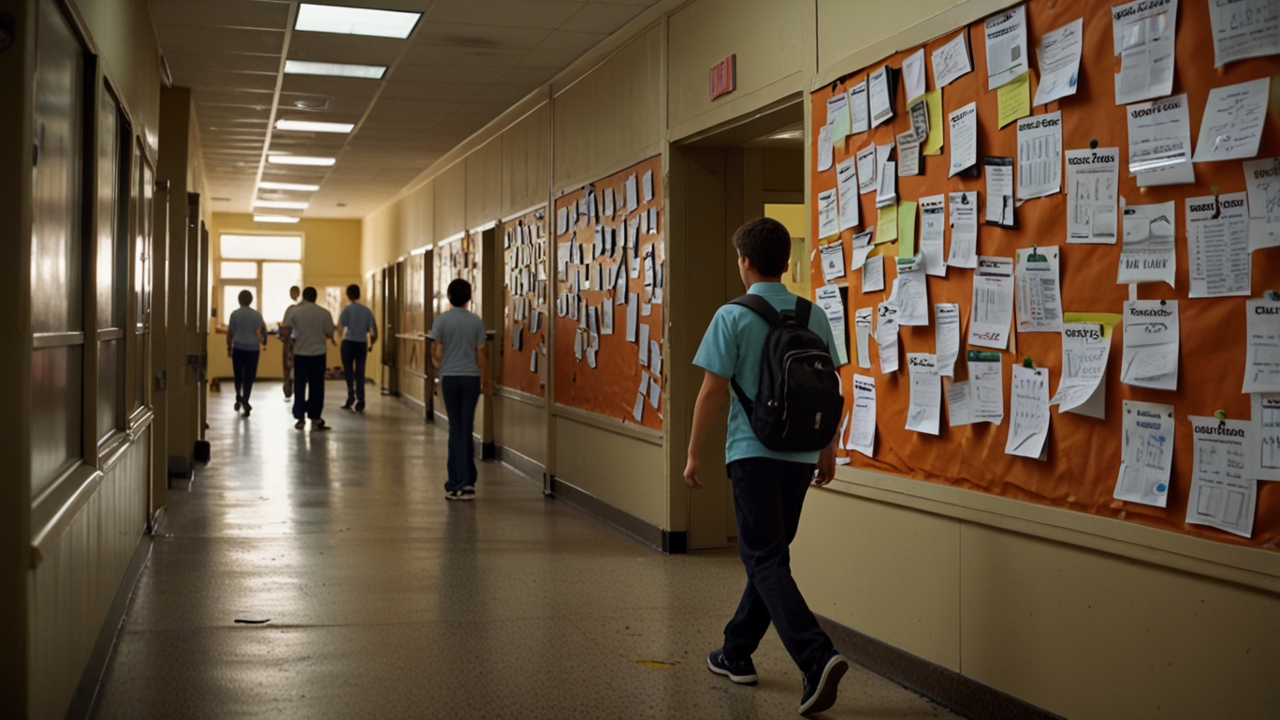
Educational institutions continue to rely heavily on printed materials for announcements, classroom updates, administrative notices, and student communications, resulting in a significant accumulation of paper waste over time. From daily memos and event posters to exam schedules and dormitory reminders, the volume of printed materials often exceeds what is truly necessary. This overdependence not only increases operational costs but also contributes to environmental degradation through excessive paper consumption and improper disposal practices. Schools and dormitories, in particular, generate recurring waste due to constant updates, making traditional bulletin boards inefficient in a fast-paced academic environment.
Beyond environmental concerns, paper-based systems create logistical challenges that impact both staff and students. Printing errors, outdated notices, and the need for frequent replacements result in wasted resources and additional labor. Staff members must spend valuable time printing, distributing, and manually updating bulletin boards, which reduces productivity and diverts attention from more meaningful educational responsibilities. Students, on the other hand, may miss important updates due to cluttered boards or poorly organized postings, leading to communication gaps that affect academic performance and participation.
The issue becomes even more pronounced in dormitory settings, where constant communication is essential for safety, coordination, and community engagement. Notices about maintenance schedules, curfews, events, and emergency alerts must be updated regularly, further increasing paper usage. As institutions strive to become more sustainable and efficient, it becomes clear that traditional methods are no longer sufficient. Addressing this growing problem requires a modern approach that not only reduces waste but also enhances communication effectiveness across the entire campus.
What Are Digital Bulletin Boards and How They Work
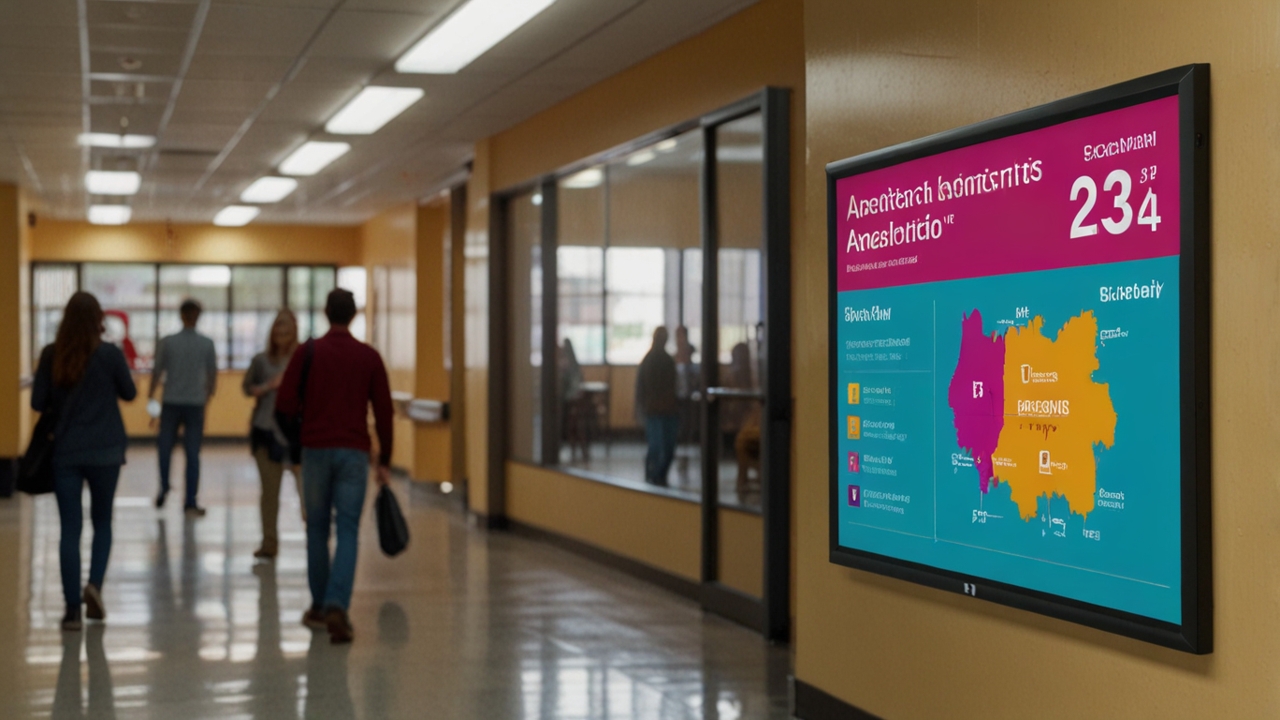
Digital bulletin boards are electronic display systems that replace traditional corkboards and printed notices with dynamic, screen-based content. These systems typically consist of LED or LCD displays connected to a centralized content management platform, allowing administrators to upload, schedule, and update announcements in real time. Unlike static paper postings, digital boards can display rotating content such as videos, slideshows, event reminders, and emergency alerts, making them far more versatile and engaging for viewers. This technology enables schools and dormitories to streamline communication while significantly reducing their reliance on paper.
The functionality of digital bulletin boards extends beyond simple announcements. Administrators can organize content into categories such as academic updates, extracurricular activities, cafeteria menus, and dormitory guidelines, ensuring that information is clearly structured and easy to access. With cloud-based systems, updates can be made remotely, eliminating the need for physical presence when managing multiple boards across different buildings. This is particularly beneficial for large campuses, where coordination between departments can otherwise become time-consuming and inefficient.
In addition, digital bulletin boards support multimedia integration, allowing institutions to enhance communication through visuals and interactive elements. For example, schools can display educational content, highlight student achievements, or broadcast live updates during events. Dormitories can use these systems to share safety reminders, community guidelines, and social activities, fostering a more connected living environment. By combining functionality with flexibility, digital bulletin boards offer a modern solution that addresses both communication challenges and sustainability goals.
Environmental Benefits of Going Paperless in Schools

Transitioning to digital bulletin boards offers significant environmental advantages by drastically reducing paper consumption across educational institutions. Each printed notice, flyer, or poster contributes to deforestation, water usage, and energy consumption associated with paper production. By eliminating the need for physical materials, schools can minimize their ecological footprint and actively participate in environmental conservation efforts. This shift aligns with global sustainability initiatives and helps institutions demonstrate their commitment to responsible resource management.
In addition to reducing raw material usage, digital systems also decrease waste generation and disposal challenges. Traditional bulletin boards often result in piles of outdated or damaged papers that must be discarded regularly. Improper disposal practices can lead to environmental pollution, especially when recycling systems are not effectively implemented. Digital boards eliminate this cycle entirely, as content updates occur electronically without generating physical waste. This not only reduces landfill contributions but also simplifies waste management processes within the school.
Furthermore, adopting paperless solutions sets a positive example for students, encouraging environmentally conscious behavior and awareness. Schools play a crucial role in shaping future generations, and integrating sustainable practices into daily operations reinforces the importance of environmental responsibility. By visibly reducing paper usage and promoting digital alternatives, institutions can inspire students to adopt similar practices in their personal and academic lives. This cultural shift toward sustainability extends beyond the campus, contributing to broader environmental impact over time.
Improving Communication Efficiency in Schools and Dormitories
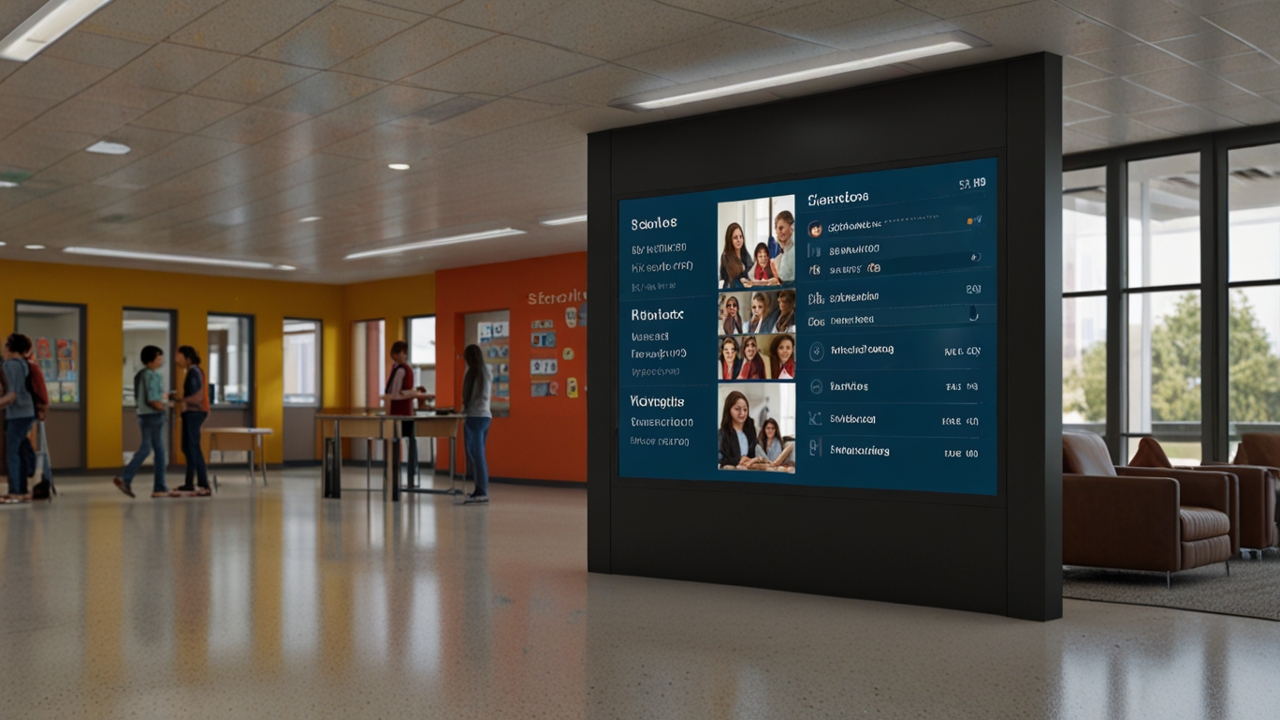
One of the most impactful advantages of digital bulletin boards is the improvement in communication efficiency across both academic and residential settings. Unlike traditional methods that rely on manual updates, digital systems allow instant dissemination of information to multiple locations simultaneously. This ensures that students, teachers, and dormitory residents receive timely and accurate updates without delays. Whether it is a schedule change, event announcement, or emergency alert, information can be delivered quickly and consistently across the entire institution.
Clarity and organization are also enhanced through digital displays. Content can be structured in a way that prioritizes important information, reducing the risk of overlooked announcements. Rotating slides and categorized sections help prevent overcrowding, making it easier for viewers to absorb key messages. In dormitories, this is particularly valuable for maintaining order and ensuring that residents are aware of essential updates such as maintenance schedules, safety guidelines, and community events. The result is a more informed and engaged student population.
Additionally, digital bulletin boards support real-time adaptability, allowing administrators to respond immediately to changing circumstances. For example, weather-related announcements, class cancellations, or urgent notices can be updated within seconds, ensuring that everyone stays informed. This level of responsiveness is not achievable with traditional paper systems, which require time-consuming printing and distribution processes. By improving both speed and clarity of communication, digital boards significantly enhance the overall efficiency of school operations.
Implementation Strategies and Long-Term Benefits
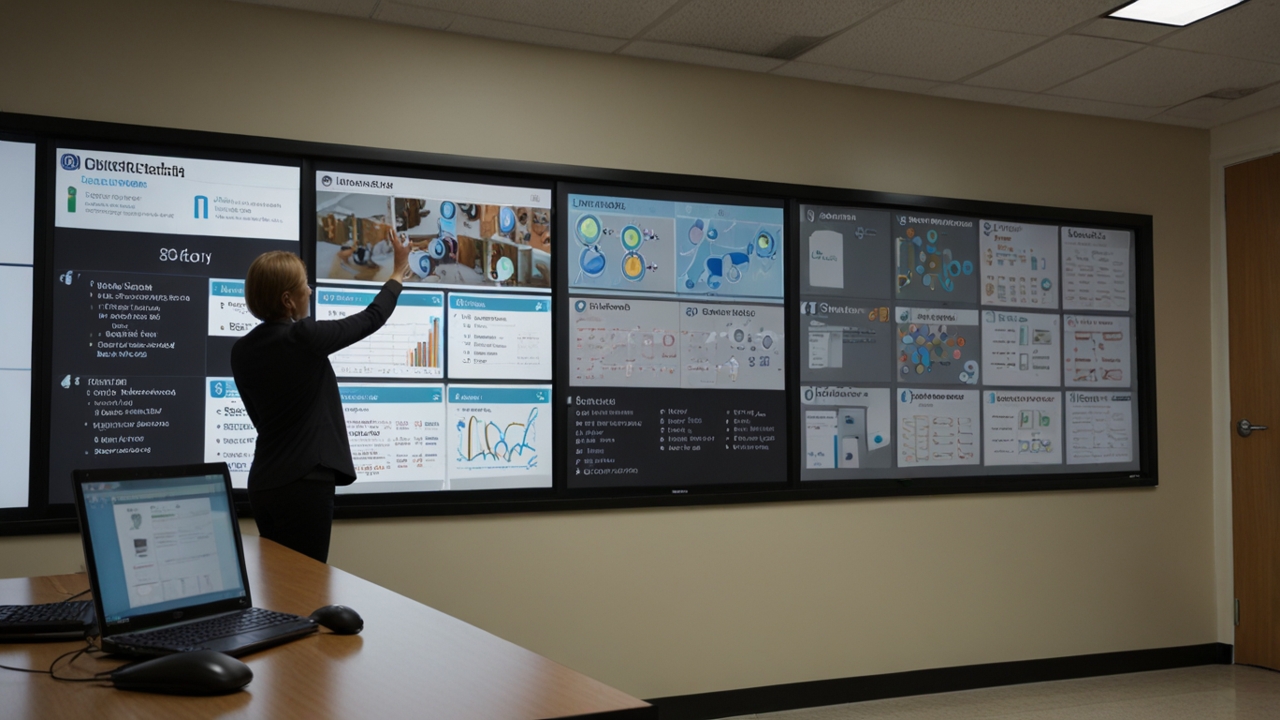
Successfully implementing digital bulletin boards requires careful planning, starting with identifying key locations where visibility and impact will be maximized. High-traffic areas such as entrances, hallways, cafeterias, and dormitory lobbies are ideal placements to ensure that content reaches a wide audience. Institutions must also invest in reliable hardware and user-friendly software systems that allow easy content management. Training staff to effectively use these platforms is essential to maximize their potential and ensure consistent, high-quality communication.
Budget considerations play an important role in the transition process, but it is important to view digital bulletin boards as a long-term investment rather than a short-term expense. While the initial setup cost may be higher than traditional bulletin boards, the reduction in printing expenses, paper purchases, and labor costs leads to significant savings over time. Additionally, the durability and scalability of digital systems make them a cost-effective solution for growing institutions. Schools can gradually expand their network of displays as needed without incurring recurring material costs.
In the long run, digital bulletin boards contribute to a more modern, efficient, and sustainable educational environment. They enhance the institution’s image by showcasing a commitment to innovation and environmental responsibility, which can positively influence student enrollment and community perception. More importantly, they create a streamlined communication ecosystem that benefits both academic and residential life. By embracing this technology, schools and dormitories position themselves for future advancements while addressing current challenges related to waste, efficiency, and engagement.
RELATED POSTS