

In the modern corporate environment, communication plays a critical role in ensuring operational efficiency, team alignment, and organizational growth. Traditional methods of internal communication, such as printed memos, noticeboards, and email chains, are often inefficient and prone to being overlooked by employees. As offices adapt to the fast-paced demands of today’s digital world, companies are increasingly recognizing the need for tools that streamline the flow of information. Digital bulletin boards are emerging as one of the most effective solutions to bridge communication gaps while maintaining a dynamic and engaging workplace environment.
Unlike traditional noticeboards that require manual updates, digital bulletin boards allow real-time updates, ensuring that employees are always informed with the latest announcements, schedules, and company news. This immediacy not only saves time but also reduces the risk of outdated information being circulated. By centralizing important messages in one accessible platform, organizations can reduce confusion and eliminate the clutter often caused by multiple disconnected communication channels.
Furthermore, digital bulletin boards align with the broader trend of workplace digitalization, where companies are seeking technology-driven solutions to optimize their processes. From cloud-based collaboration tools to interactive dashboards, digital bulletin boards fit seamlessly into a workplace ecosystem that values agility and responsiveness. Their versatility and adaptability make them suitable for businesses of all sizes, from startups to multinational corporations.
Enhancing Employee Engagement and Collaboration
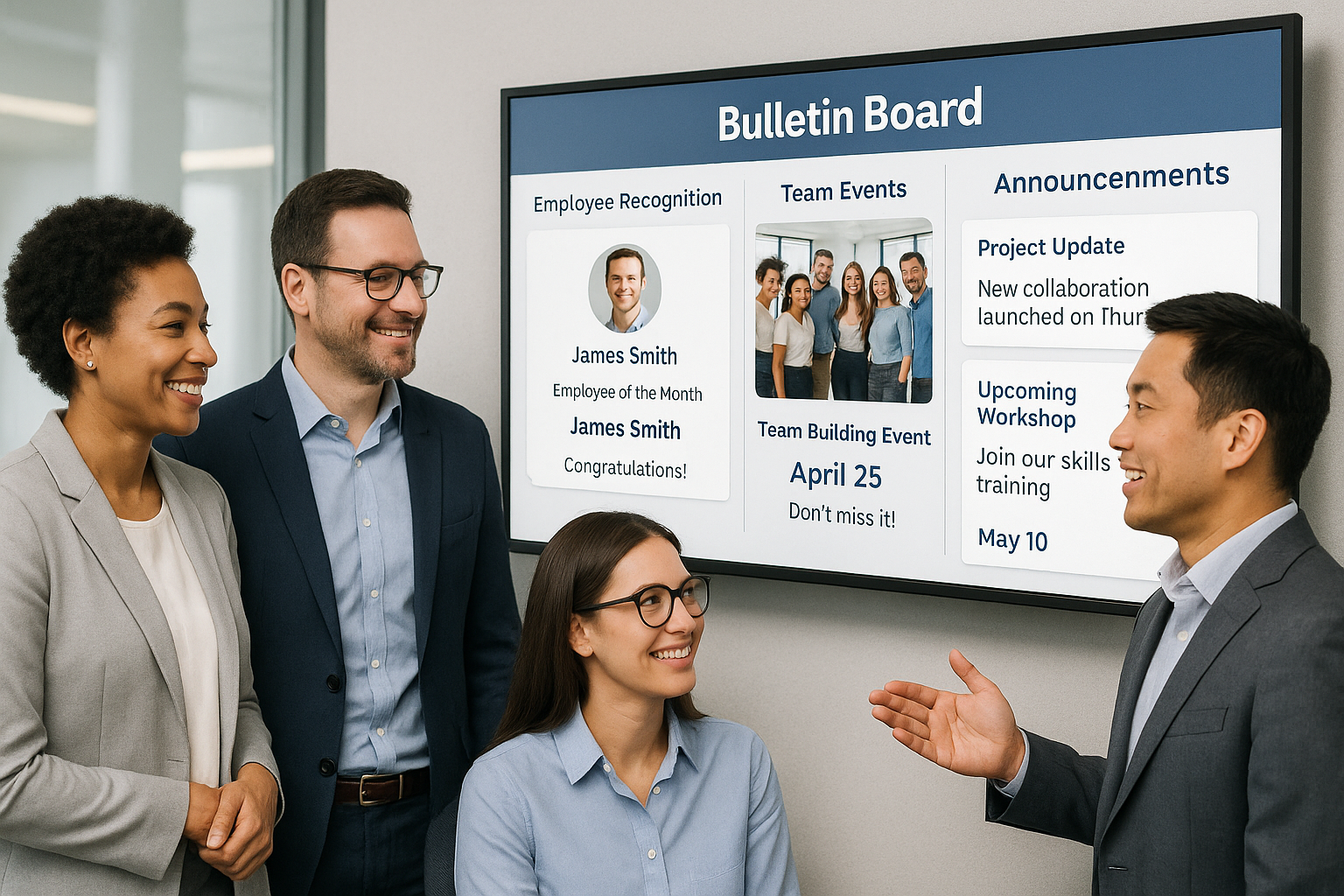
One of the most significant advantages of digital bulletin boards is their ability to foster employee engagement. Unlike traditional boards, which are static and uninspiring, digital displays can feature vibrant visuals, interactive elements, and rotating content that keeps employees actively interested. This approach transforms communication from a passive experience into an engaging one, ensuring that employees are not only aware of updates but also motivated to act on them.
Digital bulletin boards also encourage collaboration by providing a platform where achievements can be recognized, team events highlighted, and important milestones celebrated. When employees see their contributions acknowledged publicly, it creates a stronger sense of belonging and motivation. This type of recognition can go a long way in boosting morale, reducing turnover, and encouraging employees to work towards collective organizational goals.
In addition, these boards serve as a hub for cross-departmental communication. By displaying information relevant to multiple teams, digital bulletin boards can help break down silos and encourage a culture of transparency. For example, marketing teams can share campaign updates, while HR can announce wellness initiatives—all on the same platform. This holistic approach ensures that every employee feels informed, connected, and aligned with the company’s vision.
Driving Workplace Efficiency With Real-Time Updates
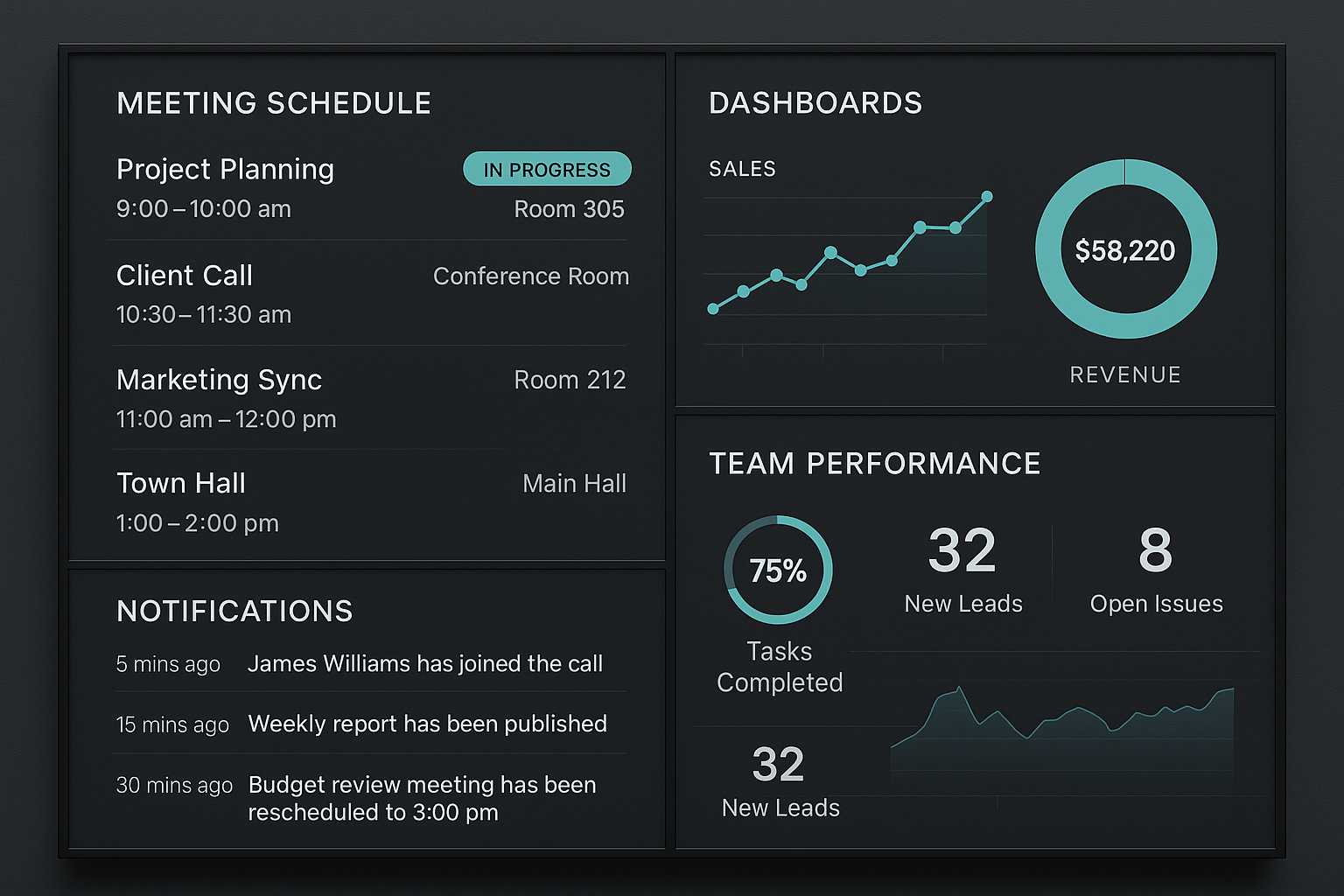
Efficiency in the workplace often depends on the ability to access accurate and timely information. Digital bulletin boards excel in this area by allowing administrators to instantly update content across multiple locations. Whether it’s a change in meeting schedules, an urgent safety alert, or the launch of a new corporate initiative, digital boards ensure that information reaches employees immediately without delays.
This real-time capability minimizes disruptions caused by miscommunication or outdated details. For example, instead of employees relying on lengthy email chains, which may go unnoticed, updates can be prominently displayed on screens in common areas such as lobbies, break rooms, and conference spaces. This guarantees visibility and helps employees prioritize essential tasks without wasting valuable time searching for information.
Moreover, digital bulletin boards can integrate with existing office tools and systems, such as calendar applications, project management platforms, and HR software. By syncing with these resources, bulletin boards can automatically display relevant data like upcoming deadlines, performance metrics, or company-wide events. This integration eliminates the need for manual updates, further enhancing efficiency while freeing up administrative resources to focus on strategic activities.
Conclusion: A Smarter Future for Corporate Communicatio
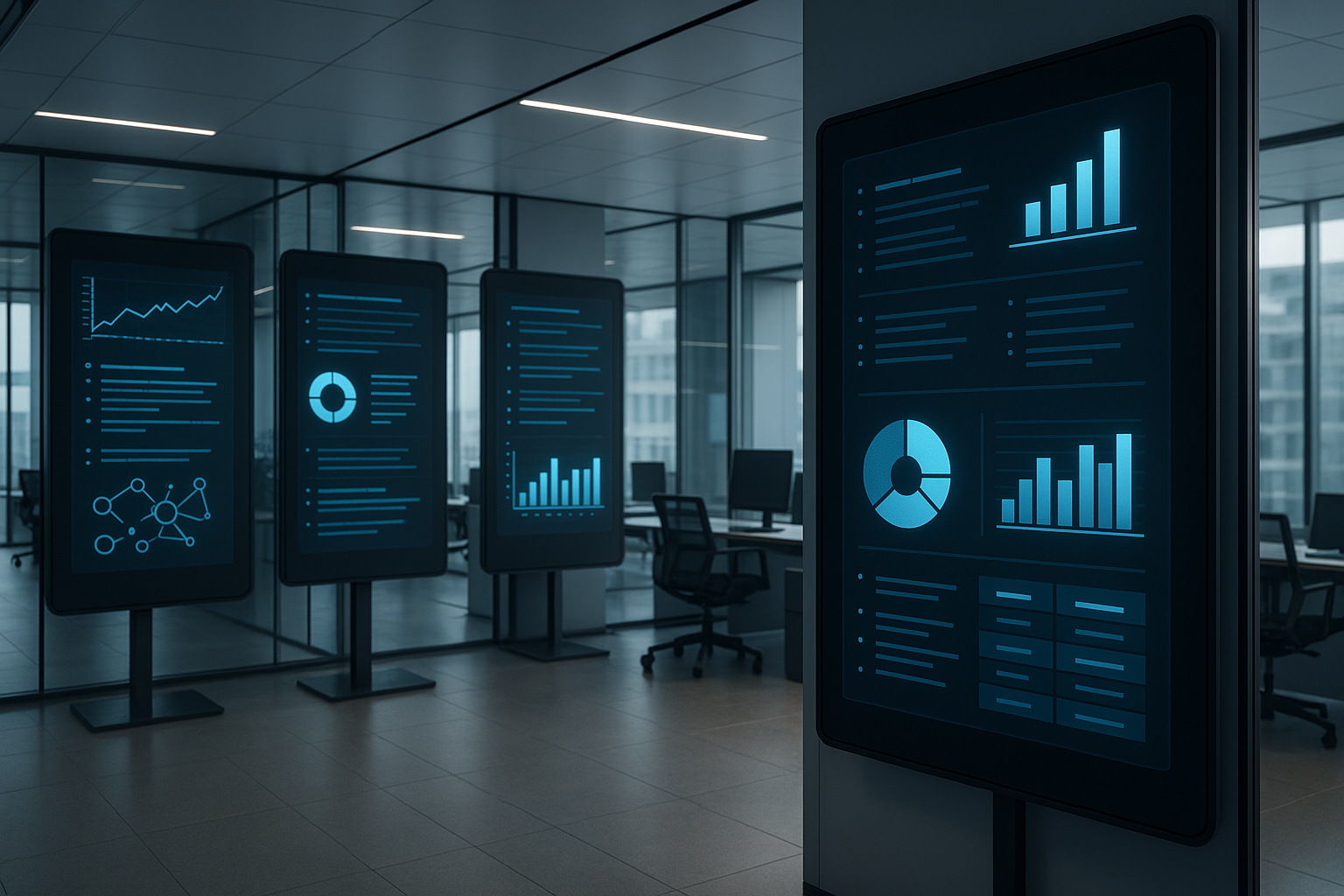
As businesses continue to evolve, adopting digital tools that streamline communication will be crucial for maintaining a competitive edge. Digital bulletin boards are not just a modern replacement for traditional noticeboards; they are a comprehensive communication solution that improves efficiency, engagement, and transparency. By providing employees with real-time, visually engaging information, organizations can foster a workplace culture that is both productive and collaborative.
Incorporating digital bulletin boards into the workplace is also a forward-thinking decision that aligns with broader digital transformation initiatives. These tools reflect an organization’s commitment to innovation and adaptability, traits that are highly valued in today’s rapidly changing business environment. More importantly, they create an environment where employees feel connected and informed, resulting in greater overall satisfaction and performance.
Ultimately, the adoption of digital bulletin boards signifies more than just a technological upgrade—it represents a shift toward smarter, more efficient workplace communication. As companies navigate the challenges of the modern corporate landscape, investing in tools that enhance clarity and collaboration will be instrumental in driving long-term success.
RELATED POSTS