
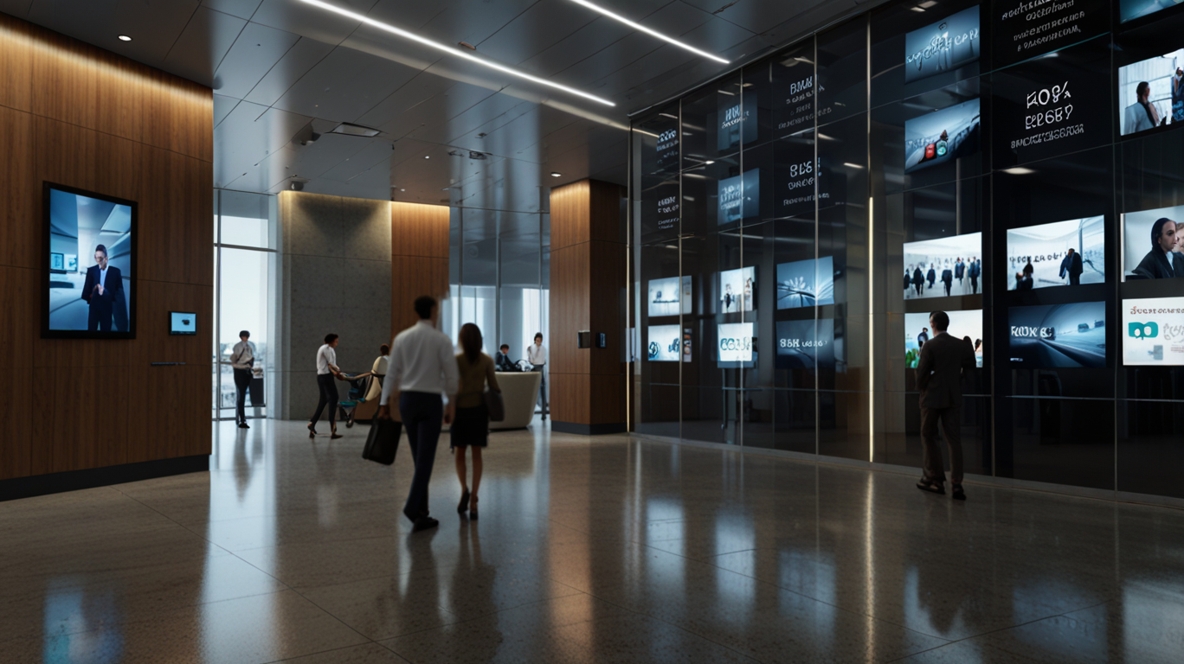
Employee recognition is no longer limited to private emails, printed certificates, or small team announcements. Modern corporate offices are shifting toward highly visible digital recognition systems that celebrate achievements in real time. Digital boards allow organizations to showcase employee accomplishments in shared spaces where recognition becomes part of the company’s daily environment rather than a hidden administrative task. This visibility reinforces motivation by showing that contributions are valued openly, not quietly recorded and forgotten.
When recognition becomes public and dynamic, it changes how employees perceive their importance in the organization. Instead of feeling like their work is only acknowledged in isolated settings, individuals see their impact displayed on screens that everyone can view. This consistent exposure builds pride, strengthens loyalty, and encourages others to strive for the same level of excellence. Over time, the workplace becomes more competitive in a healthy way, driven by positive reinforcement rather than pressure.
Digital displays also modernize the psychological contract between employees and employers. Rather than rewarding staff only during annual reviews or formal ceremonies, organizations can now highlight achievements instantly. This instant feedback loop increases job satisfaction, reduces disengagement, and helps establish a workplace culture where effort is noticed daily. The result is a more energized workforce that feels valued, visible, and connected.
The placement of digital displays in highly visible areas such as building entrances, hallways, waiting areas, and transportation hubs ensures that people receive instructions without needing prior knowledge or special devices. Emergency messages can automatically override regular content, guaranteeing that warnings are displayed the moment an alert is triggered. This system eliminates dependency on staff availability and reduces human error during stressful situations, leading to safer and more orderly responses.
By integrating digital signage into emergency management systems, public institutions can create a reliable and repeatable process for communication. These screens can display multilingual instructions, visual diagrams, and directional arrows that guide people to safe zones. This level of clarity is essential in environments where large crowds, tourists, or non-native speakers may be present, ensuring that everyone receives actionable information instantly.
Strengthening Workplace Culture With Real-Time Recognition Boards
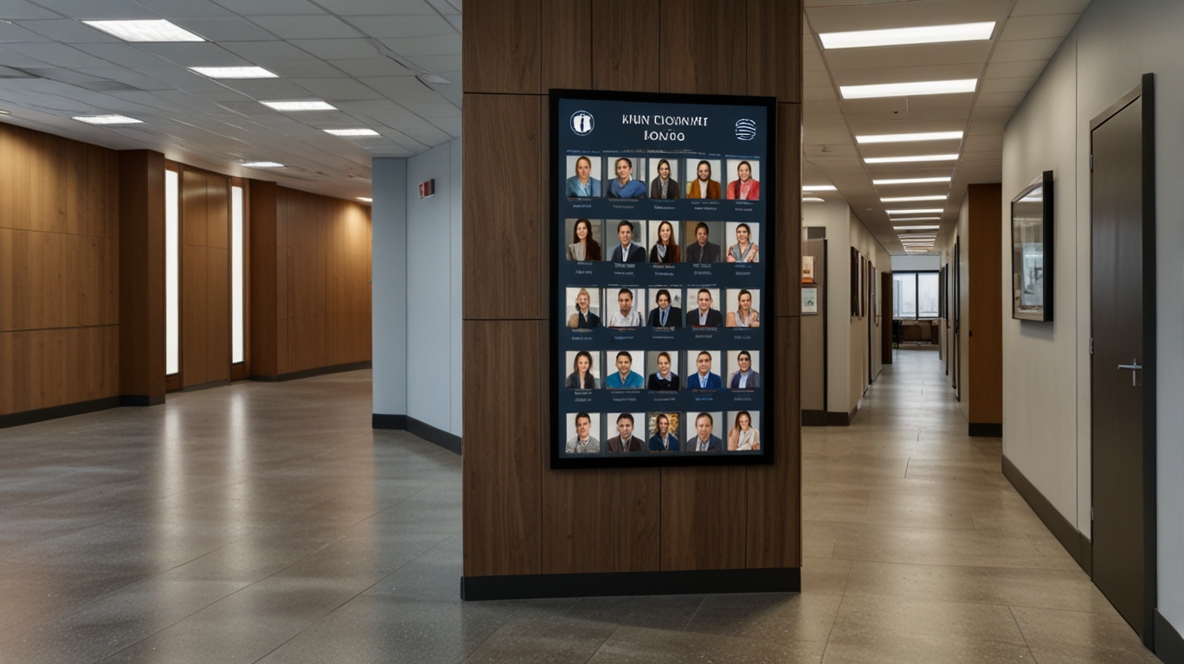
Digital recognition boards play a critical role in strengthening corporate culture by turning appreciation into a shared, visible experience. Traditional recognition methods often fail because they remain isolated to management-level decisions and private feedback. Real-time digital recognition boards change this by broadcasting positive achievements across the office, making acknowledgment part of everyday workplace life. When employees constantly see peers being recognized, it normalizes appreciation as a core workplace value.
These digital boards support transparency and trust within teams. By displaying clear reasons for recognition, such as performance milestones, teamwork excellence, or customer success, employees better understand what behaviors the company values. This clarity reduces confusion about expectations and encourages staff to align their efforts with strategic goals. Over time, this alignment leads to a more cohesive and high-performing workplace.
Another powerful effect of real-time recognition is its impact on morale during challenging periods. In high-pressure work environments, stress and burnout can rise quickly. Recognition boards act as visual reminders that effort is noticed and respected. They provide emotional reinforcement that keeps teams focused, resilient, and motivated, even when workload increases. This balance is essential for long-term productivity and employee retention.
Enhancing Internal Communication Through Visual Recognition Systems
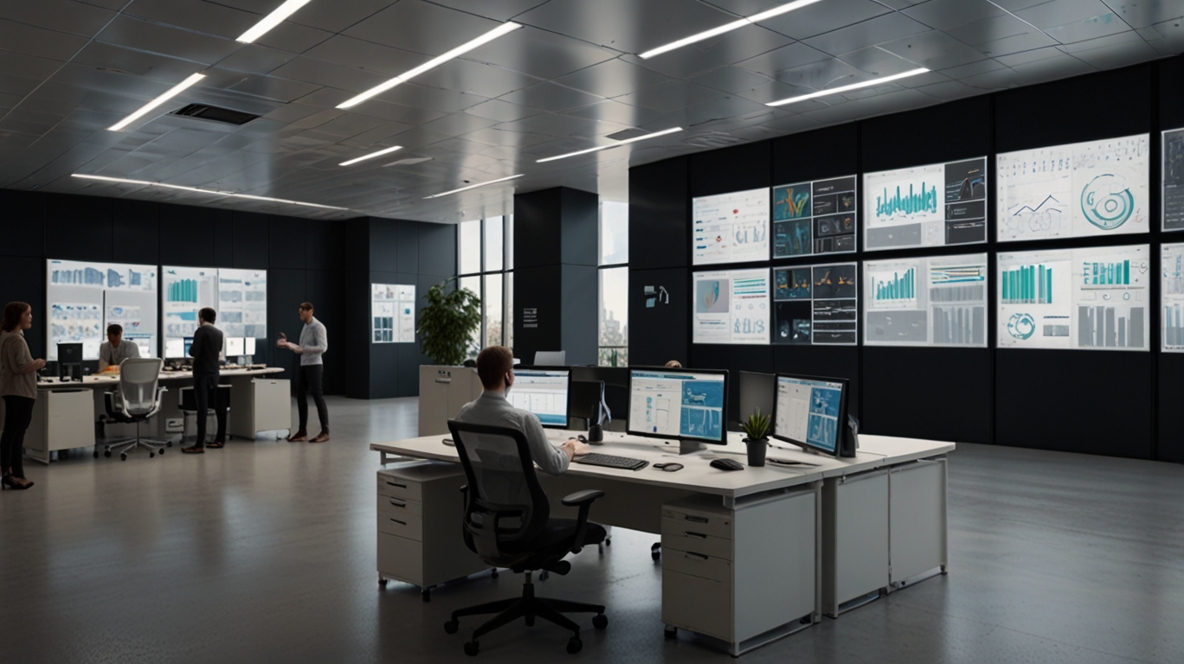
Visual recognition systems serve as both motivational tools and communication platforms. Instead of relying solely on internal emails or chat software, digital boards transform office spaces into storytelling environments where employee achievements are communicated visually. This method is more engaging than written messages because it captures attention immediately and reinforces messages through consistent exposure.
These systems improve cross-department visibility by showcasing achievements from different teams on a single platform. Employees who may rarely interact with other departments gain awareness of each other’s contributions, which helps build mutual respect and collaboration. When staff members understand how different roles contribute to overall success, teamwork becomes more natural and less forced.
Visual recognition also reduces communication gaps commonly found in large offices. In traditional office structures, important achievements can be lost in crowded email inboxes or overlooked during meetings. Digital boards solve this by turning recognition into a visual language that everyone can understand at a glance. This clarity improves organizational transparency and creates a stronger sense of shared purpose across the entire workforce.
Driving Employee Motivation and Performance Using Digital Praise
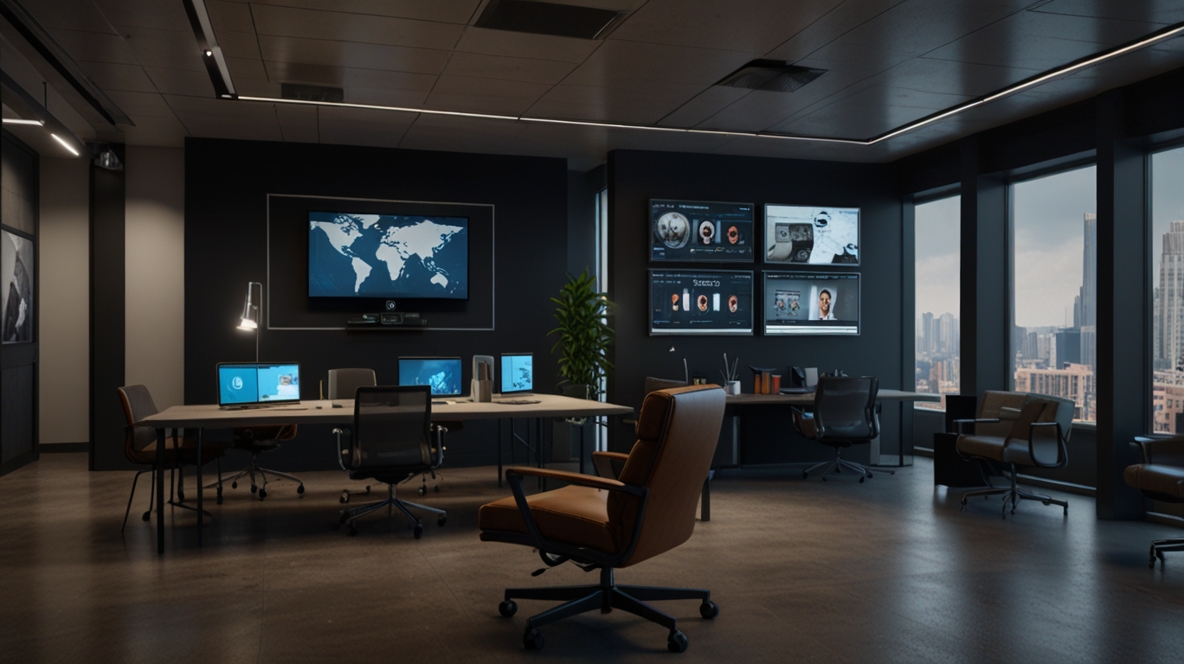
When recognition becomes highly visible, it directly affects employee motivation and long-term performance. Digital boards convert abstract appreciation into tangible experiences that employees can see, share, and take pride in. This visual form of praise works as a psychological reinforcement tool, encouraging individuals to maintain high standards and continue delivering strong results.
Motivation driven by digital praise is more consistent than traditional incentive programs. Instead of waiting for quarterly rewards or year-end bonuses, employees receive immediate reinforcement through visual acknowledgment. This consistency keeps motivation levels stable and prevents periods of disengagement. Over time, employees become more proactive, confident, and accountable for their performance.
There is also a strong link between visible recognition and healthy competition. When recognition is displayed publicly, employees feel inspired to improve their skills and contribute more effectively. This is not about unhealthy rivalry, but rather about creating an environment where excellence is celebrated openly. Teams begin to set higher standards for themselves, pushing overall organizational performance upward in a sustainable and positive way.
Building a Future-Ready Office With Smart Recognition Technology
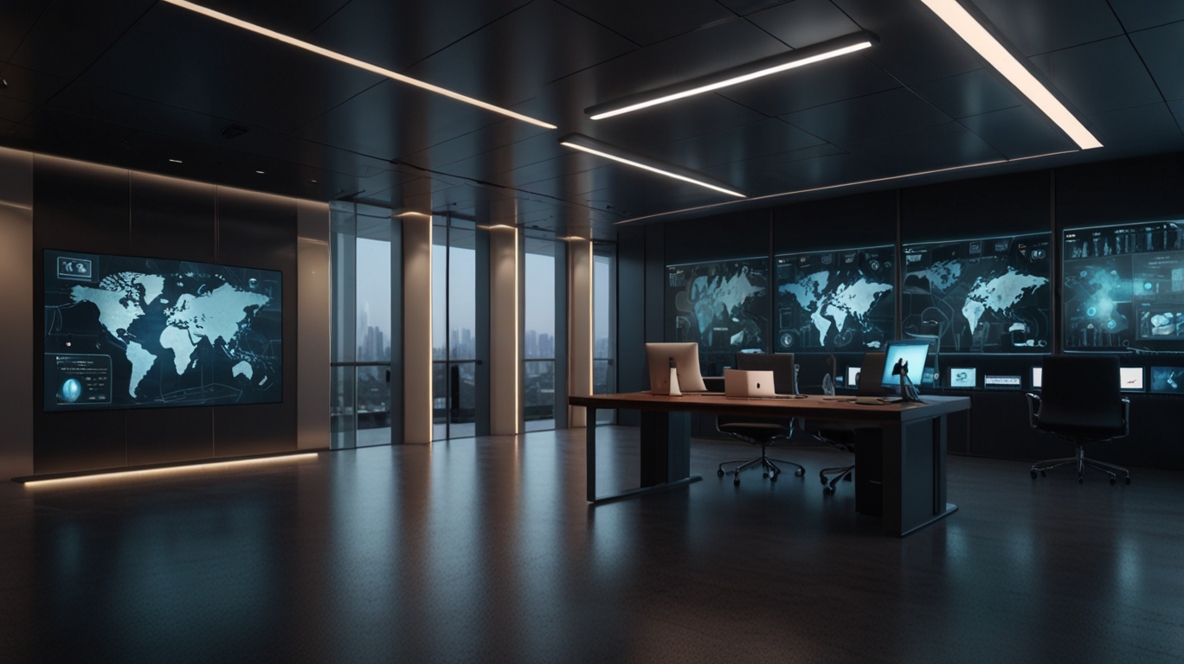
Smart recognition technology is shaping the future of corporate office environments. Digital boards equipped with cloud connectivity, automation, and data integration can pull performance data directly from internal systems. This allows recognition to be accurate, timely, and consistently updated without manual effort. The automation aspect ensures that no achievement goes unnoticed due to administrative limitations.
Future-ready offices are increasingly focused on employee experience, and smart recognition tools are central to this transformation. These systems allow companies to personalize recognition by displaying customized messages, project highlights, and milestone celebrations. This personalization deepens the emotional connection employees feel toward their workplace and creates a stronger sense of belonging. The more personal the recognition, the more meaningful it becomes.
Smart recognition systems also support scalability for growing organizations. As teams expand, manual recognition methods become impractical and inconsistent. Digital boards provide a scalable solution that can adapt to organizational growth without losing impact. This ensures that as companies evolve, their recognition culture remains strong, visible, and deeply integrated into everyday office life.
RELATED POSTS