
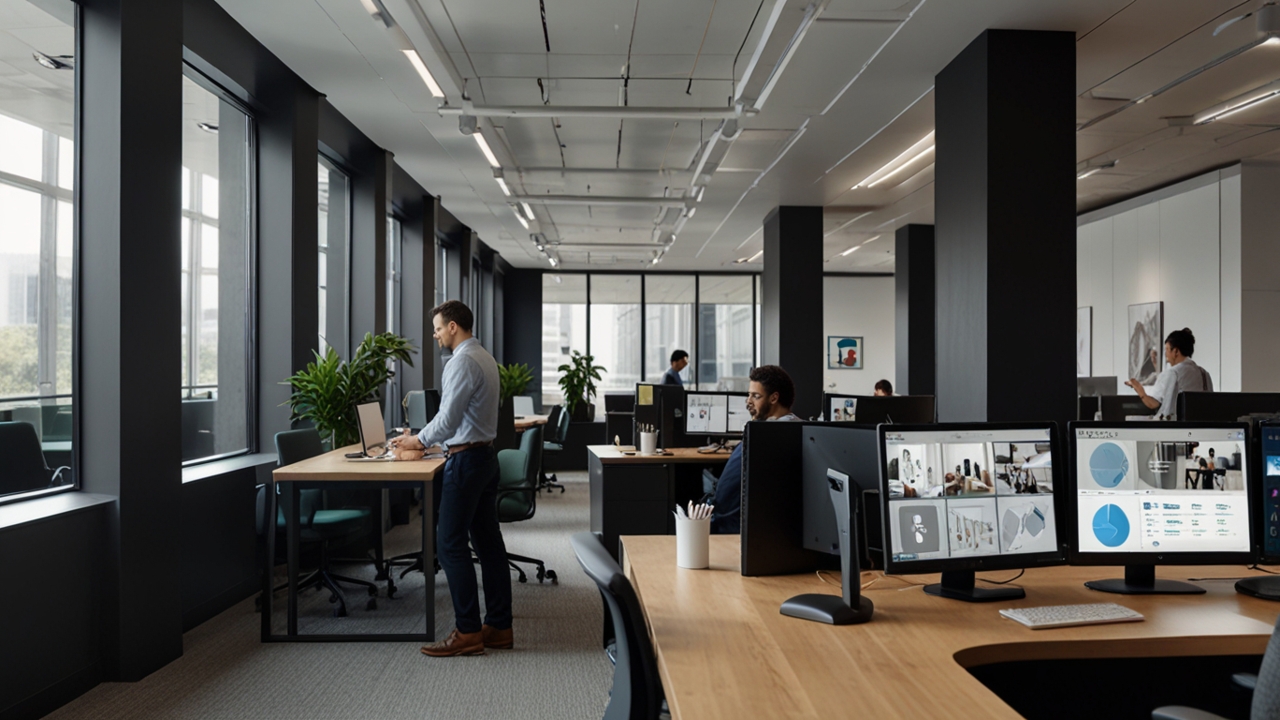
The corporate landscape has undergone a rapid shift over recent years, primarily driven by a global reevaluation of how and where work gets accomplished. Hybrid work emerged as a flexible model where employees divide their time between the physical office and remote environments. This transformation has challenged traditional communication norms, making organizations rethink how they distribute information, facilitate collaboration, and maintain consistent engagement. As physical presence is no longer guaranteed, companies have had to adopt new systems to ensure clarity, efficiency, and unity across distributed teams.
The hybrid setup also introduced unique complexities in maintaining a cohesive workplace culture. With employees scattered across various geographic locations, time zones, and home office conditions, organizations needed communication tools that support both synchronous and asynchronous collaboration. Meetings, training sessions, brainstorming activities, and daily operational updates had to adapt to accommodate mixed attendance. This required tools that are visually accessible, easy to update, and capable of centralizing essential information in real time.
In response to these new demands, digital displays began playing a stronger role in bridging the communication gap. Whether in lobbies, workstations, conference rooms, or collaborative hubs, digital signage became an essential medium to share announcements, highlight schedules, guide workflows, and keep both on-site and remote employees aligned. This visual communication channel allowed companies to efficiently distribute information without reliance on physical presence and ensured messages were consistently seen, understood, and acted upon.
The Role of Digital Displays in Enhancing Workplace Communication

Digital displays have moved beyond simple lobby welcome screens. They now act as dynamic communication platforms that deliver real-time information to employees in a visually engaging format. Companies use them to broadcast company news, promote wellness initiatives, highlight employee achievements, and share important operational reminders. This approach helps reduce email overload and the likelihood of overlooked internal announcements by placing key information directly in the employee’s physical work path.
In hybrid environments, digital displays also serve as connection points between remote and on-site workers. For example, dashboards showing team performance indicators, ongoing project statuses, or resource availability help keep transparency high and communication centralized. This ensures that regardless of whether a worker is physically present or attending remotely, everyone remains aligned with the organization’s goals and ongoing activities. The displays act almost like a shared information stage, visible to all members.
Additionally, digital displays support learning, collaboration, and culture-building efforts. They can showcase training materials, rotating visual guides, event calendars, and recognition messages that reinforce a sense of belonging. This creates a shared organizational narrative that helps reduce the sense of isolation that can accompany remote work. When thoughtfully implemented, digital displays become an integral part of a company’s internal communication strategy, elevating the workplace experience and minimizing disconnect.
Improving Office Navigation and Resource Efficiency with Digital Signage
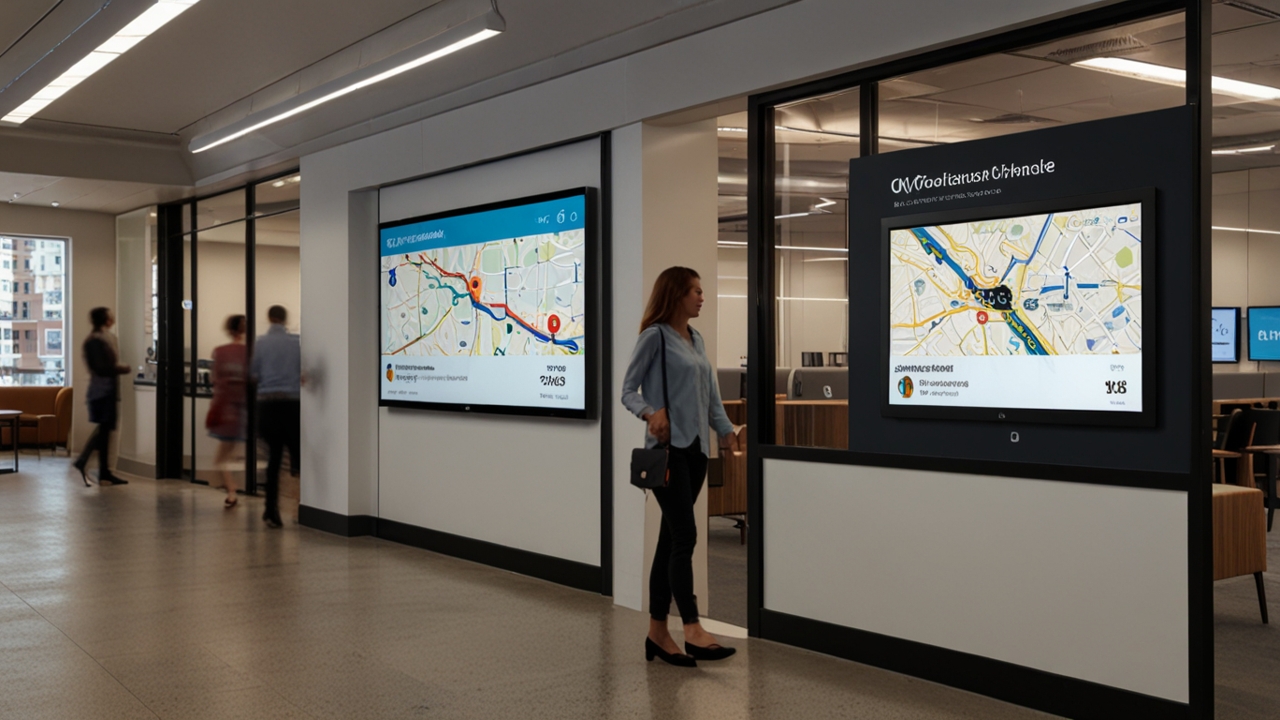
As offices shift toward flexible seating and fluid collaboration spaces, digital signage has proven crucial in helping employees navigate their environments. Hybrid work often means employees do not sit in the same assigned desk daily. Instead, companies now adopt hot-desking or shared workspaces. Interactive displays positioned at central points in the office can show which desks or meeting rooms are available, preventing confusion and saving employees significant time and frustration.
Digital displays also help streamline meeting coordination by integrating with scheduling applications. Rather than manually checking if a conference room is open or accidentally double-booking a space, employees can view real-time availability and reserve rooms directly. This reduces operational friction and promotes fairness and transparency in resource usage. For larger corporations, this level of organization ensures teams can collaborate more efficiently and avoid unnecessary interruptions in workflow.
Furthermore, these systems contribute to energy efficiency and sustainability goals. Smart signage systems can be linked to occupancy sensors, automatically adjusting lighting, climate control, and other environmental factors depending on room usage. This not only reduces waste and cost but also aligns with corporate sustainability objectives. The role of digital signage extends beyond communication—it becomes a backbone for smart office management and operational optimization.
Digital Displays as a Tool for Strengthening Company Culture
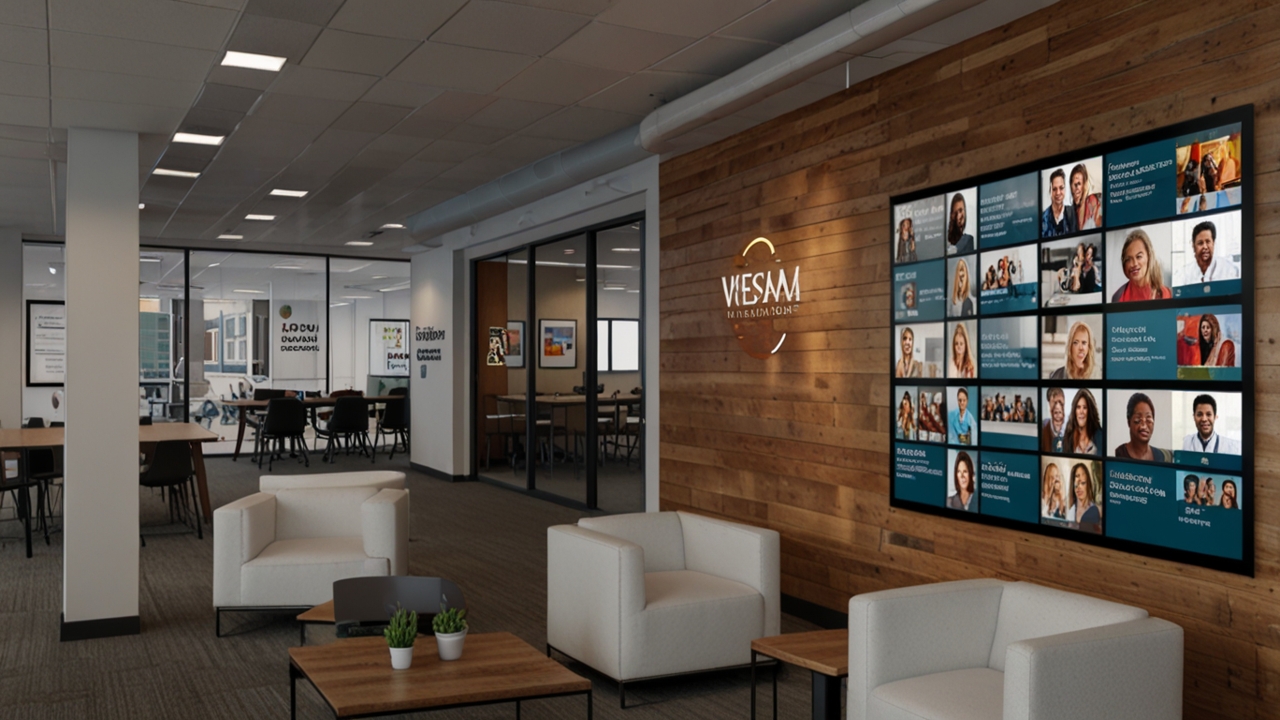
Culture is a core element of every organization, and maintaining it in a hybrid environment requires intentional effort. Digital displays play a key role in reinforcing shared values by making culture visible, consistent, and celebrated. Instead of relying solely on email newsletters or occasional announcements, companies can continuously highlight employee successes, introduce new team members, and showcase internal achievements. These moments help employees feel recognized, appreciated, and connected even when working remotely.
Digital storytelling plays an important role in reinforcing identity and purpose. Organizational values, community outreach efforts, training initiatives, and wellness campaigns can be displayed to remind employees of the company’s mission. This visual reinforcement strengthens belonging and ensures employees feel they are contributing to something meaningful. The displays can also serve as gateways to interactive engagement, allowing employees to submit photo highlights, peer recognition messages, or event participation stories.
Moreover, digital signage reduces communication silos between departments. When different teams are showcased regularly, employees gain increased awareness of how various units contribute to the company as a whole. This builds empathy, collaboration, and cross-department understanding—important elements in hybrid work cultures where face-to-face interactions may be infrequent. By promoting shared visibility, digital displays help maintain a sense of unity and teamwork.
Planning and Implementing Digital Displays in Hybrid Work Offices

Implementing digital display systems requires thoughtful planning that aligns with organizational goals, office layout, and communication priorities. Companies must identify which messages matter most to their employees and determine optimal display placement to maximize visibility without causing distraction. Displays should be strategically located where employees naturally gather—break rooms, entryways, collaboration spaces—and integrated into daily workflows rather than functioning as decorative screens.
Selecting the right software is also essential. A powerful content management system allows internal teams to update messaging quickly, automate announcements, schedule rotating content updates, and integrate feeds like performance dashboards or HR reminders. Automation helps maintain relevance and prevents screens from becoming static and ignored. Additionally, user access controls and content guidelines must be established to ensure professionalism and clarity across all displayed materials.
Finally, evaluating success and gathering employee feedback ensures long-term effectiveness. Companies should regularly assess what type of content resonates most and adjust visuals accordingly. If digital displays are implemented with intention and maintained proactively, they can act as a living communication network that evolves with the organization. In hybrid work environments, thoughtful digital signage strategies are not just beneficial—they are essential tools for operational fluidity, culture continuity, and company-wide empowerment.
RELATED POSTS