
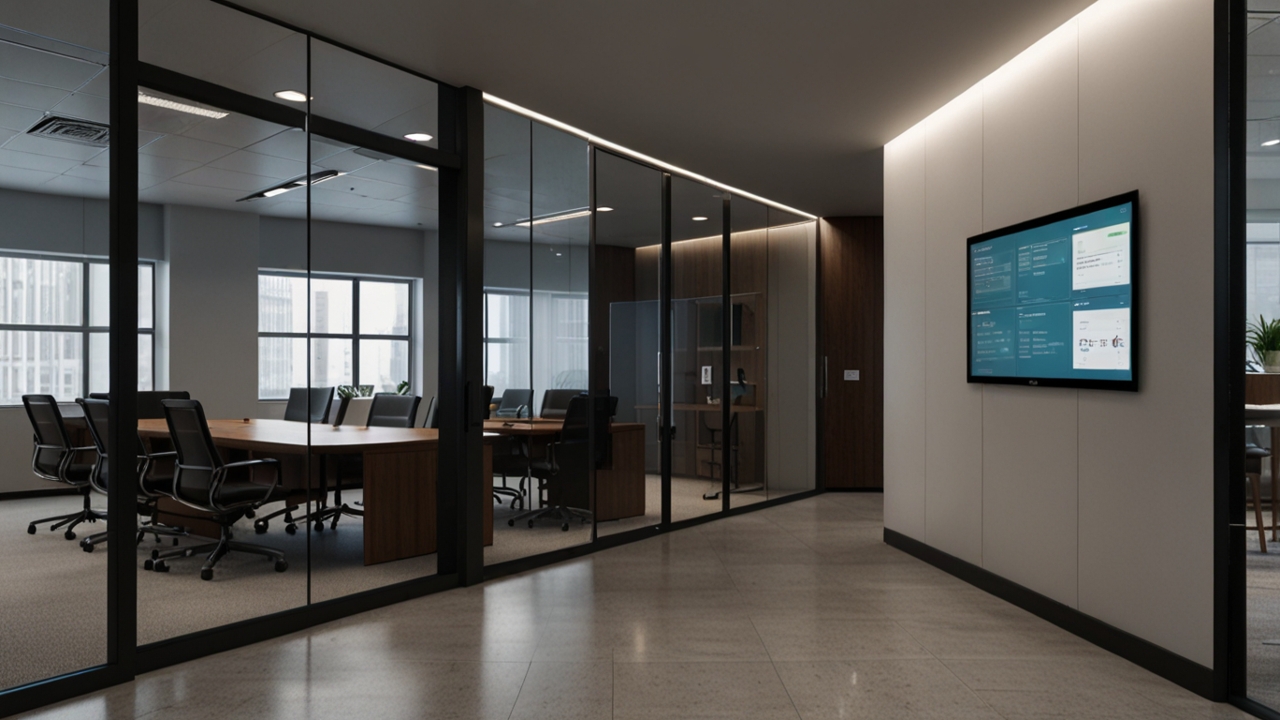
Modern corporate offices rely heavily on clear, real-time communication to maintain productivity, and meeting room updates have become a critical part of that ecosystem. Traditional methods such as printed schedules, email threads, or verbal updates often fail to provide clarity, especially in fast-paced environments where meetings change frequently. A centralized meeting room update system ensures that employees instantly know room availability, meeting status, and upcoming schedules without the need for follow-ups or interruptions.
By displaying live updates on digital screens or integrated platforms, organizations reduce confusion and double bookings. Employees can make informed decisions quickly, whether they are looking for an available room or preparing for an upcoming meeting. This type of visibility supports smoother workflows and eliminates unnecessary delays caused by outdated or incomplete information.
Beyond convenience, centralized meeting room updates foster a more professional and organized office culture. When schedules are transparent and easily accessible, teams develop better time discipline and respect shared resources. This leads to fewer disruptions, more focused meetings, and a workplace that values efficiency and accountability.
Real-Time Scheduling Improves Team Efficiency
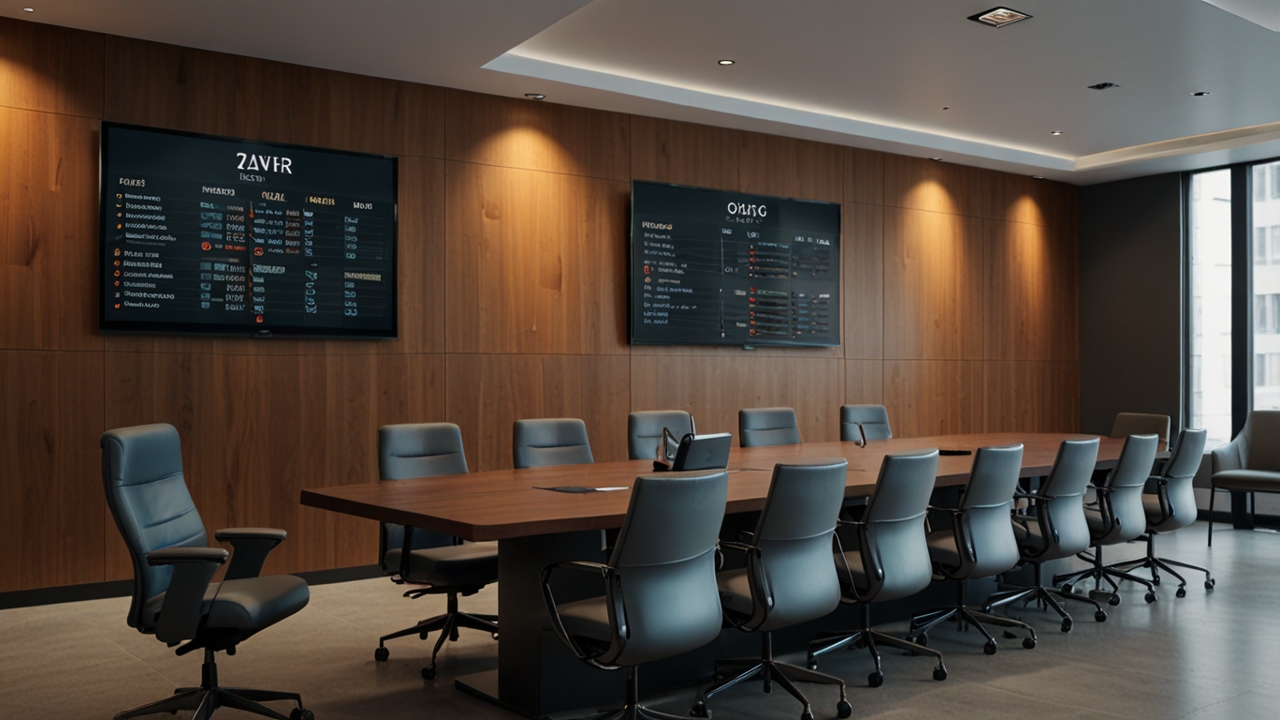
Real-time meeting room updates allow teams to adapt instantly to changes in schedules. In dynamic corporate environments, meetings are often rescheduled, extended, or canceled at short notice. Without real-time updates, these changes create confusion, wasted time, and unnecessary interruptions. A smart update system ensures that any change is reflected immediately across all connected displays and platforms.
This instant visibility helps employees plan their day more effectively. Instead of searching for empty rooms or relying on outdated calendar entries, team members can see accurate availability at a glance. This reduces time spent coordinating logistics and allows teams to focus on productive collaboration rather than administrative tasks.
Over time, real-time scheduling contributes to measurable efficiency gains. Meetings start on time, room usage is optimized, and employees experience less friction in their daily routines. The result is a workplace that runs more smoothly and supports both individual productivity and collective performance.
Enhancing Transparency Across Departments

Meeting room updates play a vital role in promoting transparency within large organizations. When schedules are visible and standardized, departments gain a clearer understanding of shared resources and meeting priorities. This visibility helps prevent conflicts and ensures that meeting spaces are allocated fairly and efficiently.
Transparency also reduces internal communication barriers. Employees no longer need to message colleagues or administrators to ask about room availability. Instead, the information is openly accessible, empowering staff to manage their own schedules independently while maintaining alignment with company-wide operations.
In the long term, transparent meeting room communication supports better cross-department collaboration. Teams become more mindful of how shared spaces are used, leading to improved planning, fewer disputes, and a stronger sense of organizational cohesion.
Reducing Interruptions and Meeting Disruptions
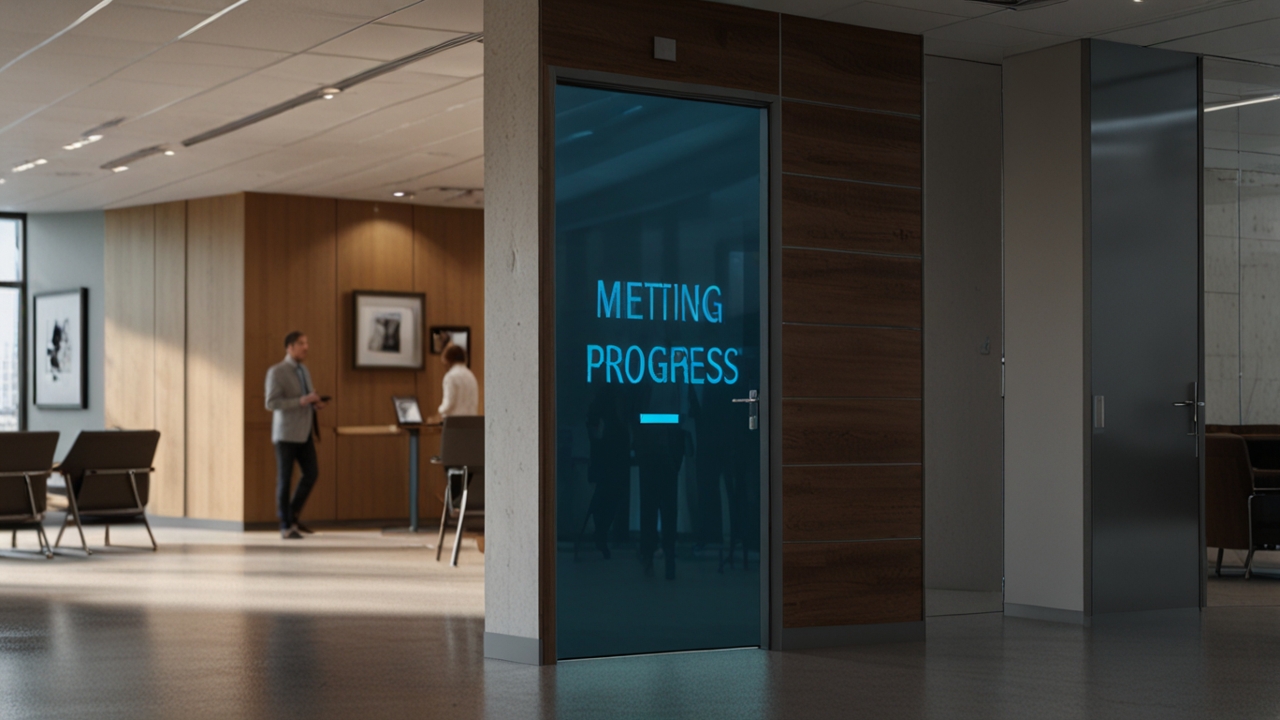
Interruptions during meetings are a common issue in offices that lack clear scheduling communication. Employees may enter rooms accidentally, unsure if a meeting is in progress or if the room is available. Meeting room update systems solve this problem by clearly displaying meeting status, occupancy, and duration outside each room.
By reducing interruptions, teams can maintain focus and conduct discussions more effectively. Clear visual indicators such as “In Use,” “Available,” or “Meeting Ending Soon” eliminate guesswork and minimize distractions. This creates a more respectful meeting environment and improves overall communication quality.
Additionally, fewer disruptions contribute to better decision-making and time management. Meetings stay on track, participants remain engaged, and the organization benefits from more productive use of both time and physical space.
Supporting Smart Office and Future Workplace Strategies
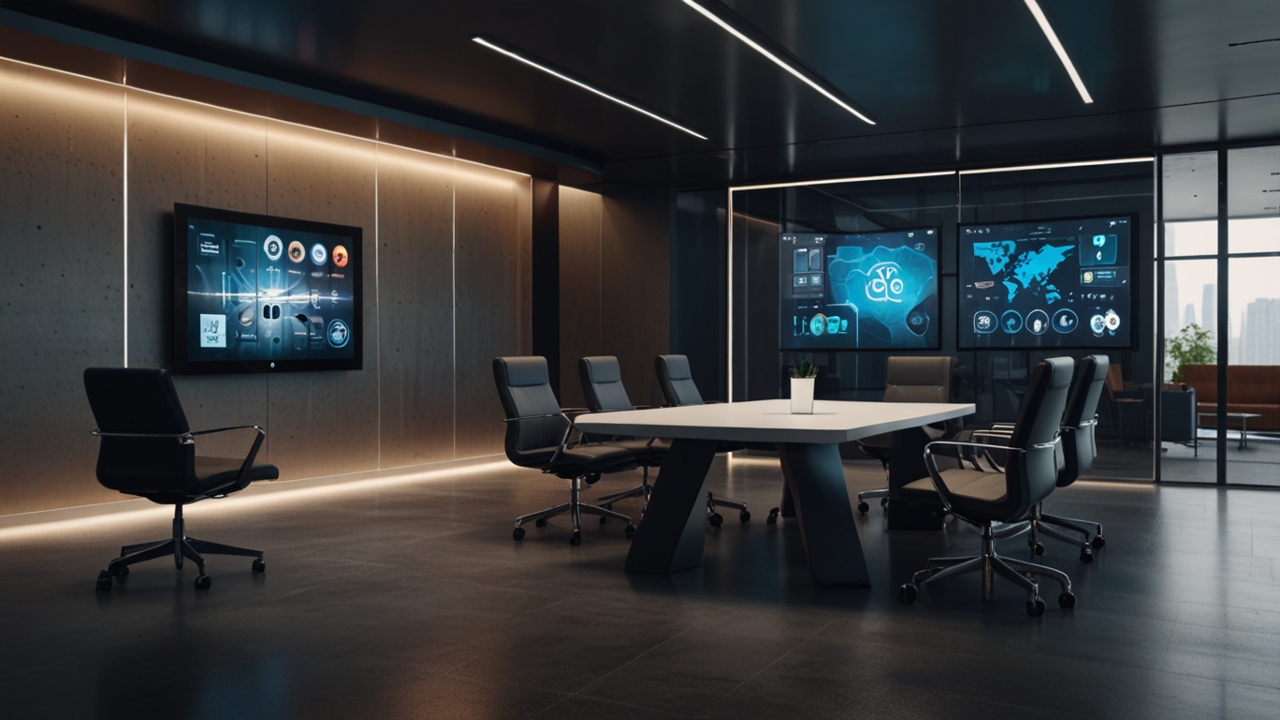
Meeting room updates are a foundational element of smart office strategies. As workplaces adopt more connected and automated systems, real-time room communication integrates seamlessly with calendars, access control, and workplace management platforms. This creates a cohesive digital environment that supports modern workstyles.
Smart meeting room updates also provide valuable data insights. Organizations can analyze room usage, peak meeting times, and space efficiency to make informed decisions about office layout and resource planning. These insights help businesses adapt to hybrid work models and evolving employee needs.
Looking ahead, intelligent meeting room communication will continue to shape the future workplace. By investing in smarter scheduling and visibility tools, companies position themselves as forward-thinking, efficient, and employee-centric organizations ready to meet the demands of modern corporate communication.
RELATED POSTS