

Effective communication is the foundation of any successful corporate environment. It connects teams, ensures clear direction, and enhances productivity across all levels of the organization. Yet, even with modern tools and strategies, communication breakdowns remain one of the biggest challenges in the workplace. In this article, we will explore the top five office communication challenges that companies face today—and provide actionable solutions to overcome them.
1. Lack of Clarity in Messages

One of the most common communication challenges in the corporate setting is vague or unclear messaging. When employees receive instructions that are incomplete or ambiguous, it leads to confusion, missed deadlines, and reduced confidence in leadership. This issue often stems from hurried meetings, poorly written emails, or a lack of standard communication protocols. Inconsistent terminology or unclear expectations can further exacerbate misunderstandings among departments and project teams.
To address this, organizations must emphasize clarity and precision in every message shared. Managers should encourage concise language and ensure that key details—such as objectives, responsibilities, and deadlines—are explicitly stated. Implementing standardized communication templates for project updates, memos, and task briefings can help minimize misunderstandings. Additionally, encouraging team members to ask clarifying questions before proceeding can prevent costly errors and misaligned efforts.
Clear communication should also be supported by effective documentation. Maintaining shared resources such as company handbooks, knowledge bases, or project guides ensures that all employees have access to accurate and updated information. When everyone knows where to find the facts, reliance on word-of-mouth or assumption-based communication is significantly reduced.
2. Information Overload and Message Fatigue
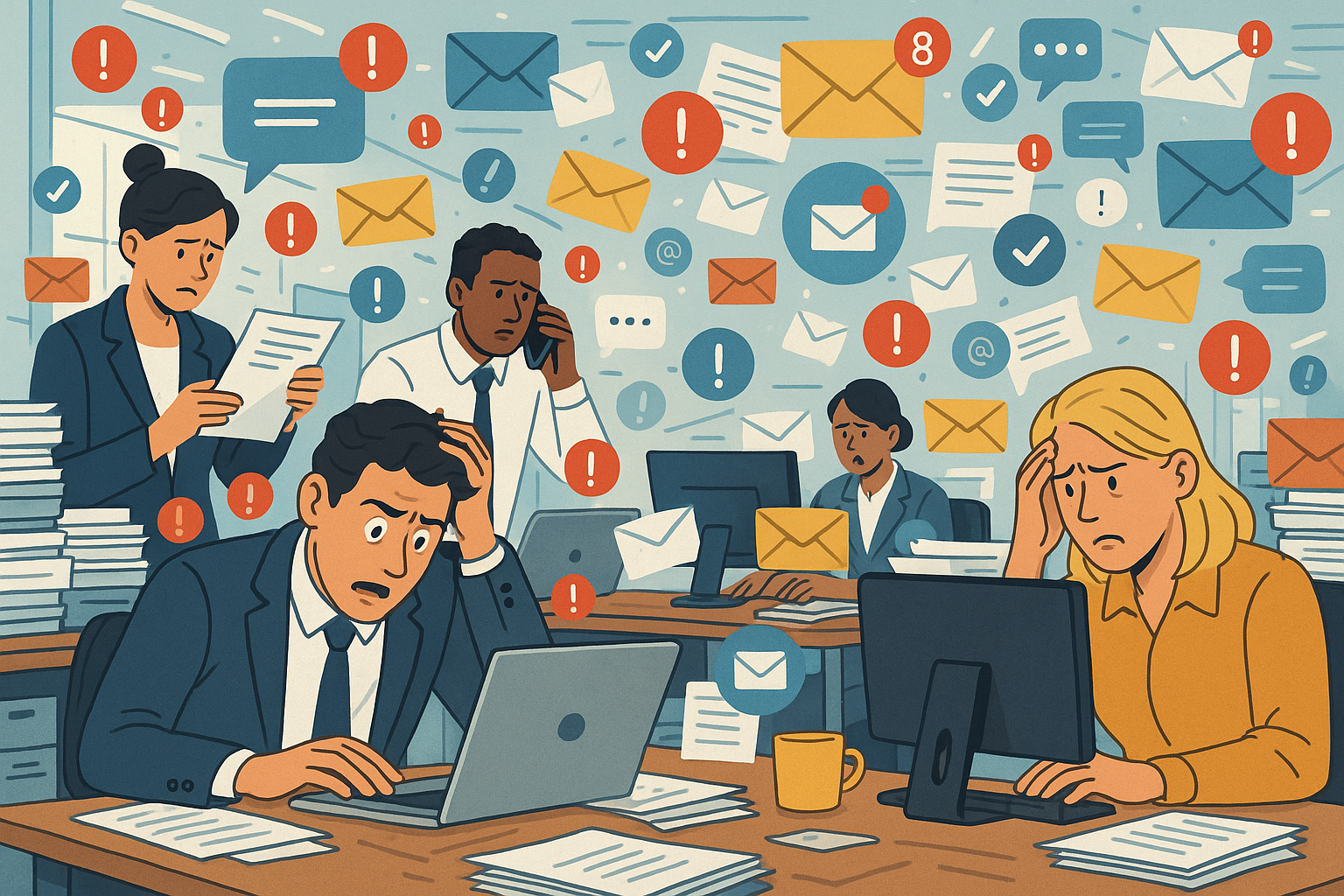
In the digital age, employees are bombarded with messages from multiple channels—emails, chat platforms, project management tools, and meetings. This information overload can make it difficult for individuals to prioritize important updates, leading to missed messages or delayed responses. Over time, message fatigue sets in, reducing engagement and efficiency across the organization. When employees feel overwhelmed, communication becomes reactive rather than strategic, weakening team collaboration.
To combat this, companies should establish structured communication hierarchies and define which channels are appropriate for specific types of information. For example, urgent updates can be shared through instant messaging apps, while project briefs and reports can be reserved for emails or internal platforms. Reducing unnecessary “reply-all” emails and holding fewer, more focused meetings also helps streamline communication. Leaders must model this behavior by keeping their own messages concise and purposeful.
Technology can also play a role in solving this issue. Digital collaboration platforms with tagging features, priority filters, or notification management tools can help employees manage incoming information more efficiently. Training employees on how to use these systems effectively ensures they don’t become another source of clutter. A balance between accessibility and relevance must be maintained to prevent information fatigue from stifling productivity.
3. Remote and Hybrid Communication Gaps
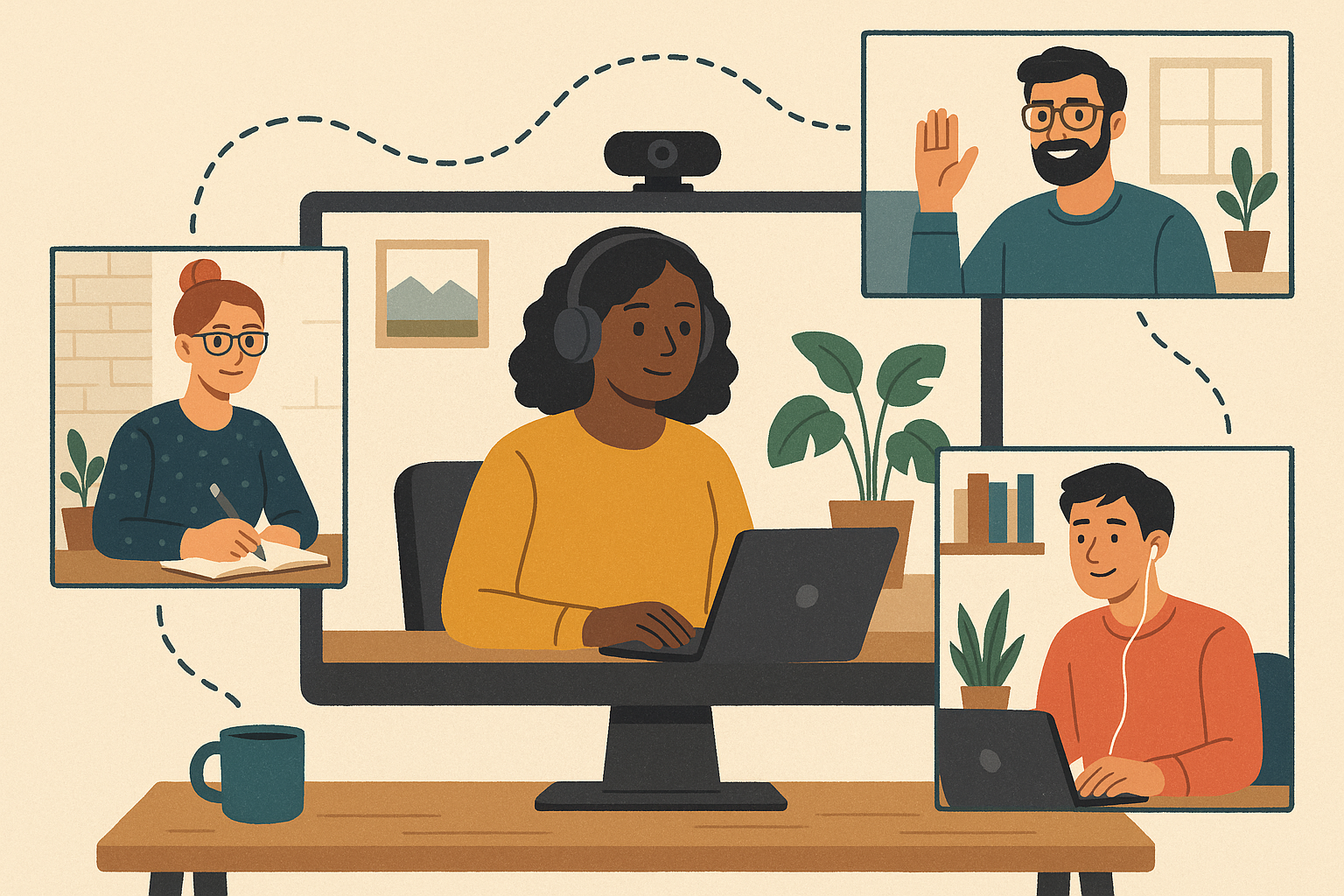
The rise of remote and hybrid work has introduced new communication challenges that many organizations continue to navigate. Without face-to-face interactions, non-verbal cues and tone can be easily misinterpreted, leading to misunderstandings or emotional disconnects among team members. Delays in communication due to time zone differences, inconsistent online availability, or technical issues further complicate collaboration. Over time, this can lead to isolation, disengagement, and weakened team cohesion.
To bridge this gap, companies must adopt a “digital-first” communication culture that promotes inclusivity and transparency. Video meetings, virtual team-building sessions, and consistent updates help replicate the connection of an in-office environment. Setting clear expectations around availability, response times, and communication tools ensures that everyone remains aligned regardless of location. Furthermore, asynchronous communication—through recorded updates or shared documents—allows flexibility without sacrificing clarity.
Organizations should also invest in training programs that help employees improve their virtual communication skills. This includes teaching how to convey tone effectively in written messages, use video conferencing tools proficiently, and manage virtual collaboration efficiently. When digital communication practices are intentional and well-structured, remote teams can function with the same clarity and unity as those working in traditional office spaces.
4. Lack of Feedback and Active Listening

A significant barrier to strong workplace communication is the absence of genuine feedback loops. When employees feel unheard or when managers fail to provide constructive input, it creates frustration and diminishes motivation. Many corporate settings focus on top-down communication—directives flowing from leadership to staff—without establishing pathways for feedback to travel upward or laterally. This one-way dynamic can lead to misalignment, low morale, and a lack of innovation.
Encouraging a culture of open and active listening is key to resolving this challenge. Managers should create safe spaces for employees to share opinions, concerns, and suggestions without fear of repercussions. Regular one-on-one meetings, feedback surveys, and anonymous suggestion channels can help leadership identify communication blind spots. Additionally, recognizing and acting upon valuable feedback shows employees that their voices truly matter, fostering trust and collaboration.
Training programs that emphasize emotional intelligence and empathetic listening can also make a profound difference. When employees are taught to listen actively—to interpret context, ask follow-up questions, and validate others’ perspectives—communication becomes more human and effective. Feedback should always be constructive, focusing on solutions and development rather than blame. This mutual respect enhances both individual performance and team cohesion.
5. Cultural and Generational Communication Differences

In today’s diverse corporate environments, communication challenges often arise from cultural and generational differences. Team members may interpret messages differently based on their background, language proficiency, or communication style. For instance, some employees prefer direct communication, while others value a more diplomatic approach. Similarly, younger employees may rely heavily on digital channels, while older generations might prefer face-to-face or phone conversations. These differences can create unintentional friction if not properly addressed.
To overcome this, organizations should foster cultural intelligence and communication awareness. This begins with training programs that educate employees about cultural sensitivities, workplace etiquette, and inclusive communication practices. Encouraging multilingual resources, visual aids, and simplified documentation can also help ensure that everyone comprehends key messages clearly. Teams should be encouraged to celebrate diversity rather than view it as a barrier.
Creating a unified communication framework that respects diversity while maintaining consistency is vital. This could include defining common workplace language, setting universal communication expectations, and encouraging cross-generational mentorship. When employees understand and respect each other’s communication styles, collaboration flourishes, misunderstandings decline, and the workplace becomes more harmonious and innovative.
RELATED POSTS