
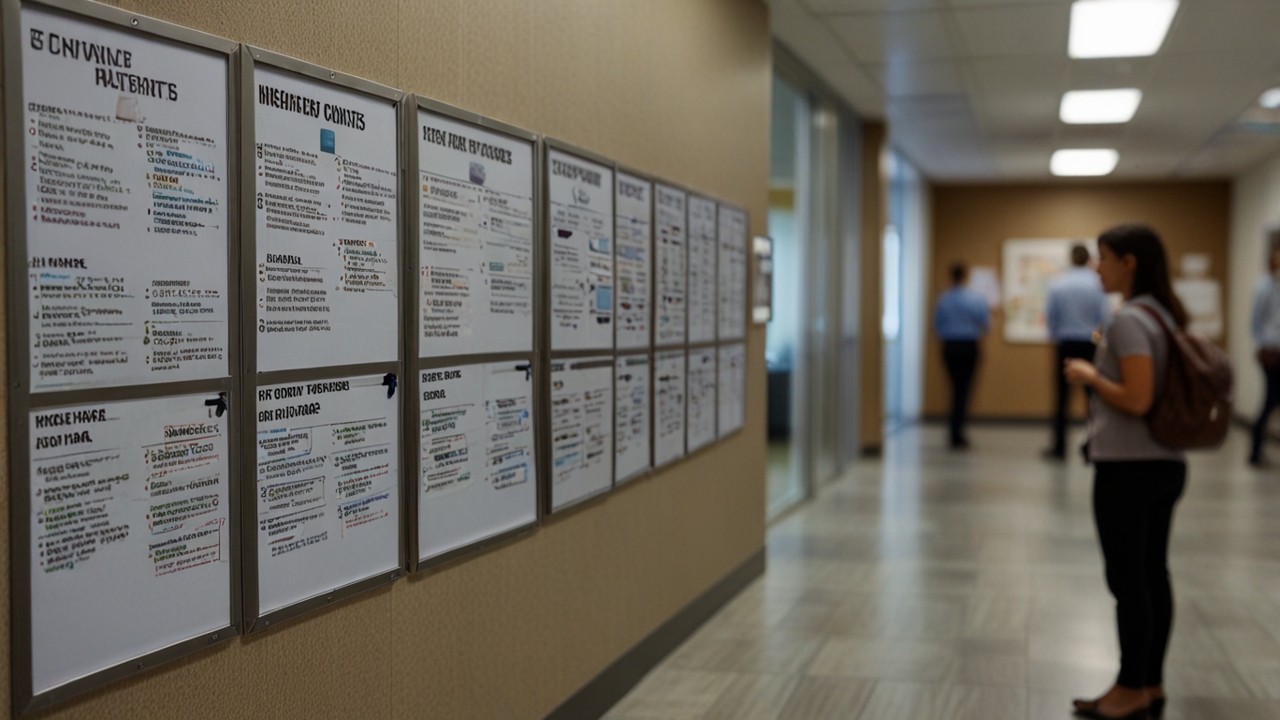
Bulletin boards have long been regarded as a simple yet highly effective communication tool in corporate office environments, particularly for HR-related announcements. While digital channels like email, messaging platforms, and intranet portals are common, they can often lead to information overload. Employees may overlook crucial updates buried under countless messages. Bulletin boards, on the other hand, provide a centralized, visual, and always-accessible reference point. Positioned in strategic areas like lobbies, break rooms, corridors, and near elevators, they allow employees to absorb important HR information during their natural movement throughout the workplace. This increases the likelihood that essential updates will be noticed and retained.
For HR departments, bulletin boards serve as a reliable medium to share updates that require frequent or prolonged visibility. Announcements such as changes in attendance policies, wellness programs, internal job openings, and upcoming performance review timelines benefit from being displayed physically. Unlike digital notifications that disappear after being read, bulletin boards create a persistent message presence. This ensures that employees can reference information whenever needed without searching through emails or internal systems. The communication becomes more transparent, consistent, and equitable across the organization.
Additionally, bulletin boards contribute to a more open workplace culture. They promote visibility and accessibility to information, reducing the sense of hierarchy sometimes associated with private communications. When HR messages and reminders are displayed prominently, employees feel more informed and involved. This fosters trust and engagement, strengthens organizational alignment, and reinforces HR’s role in supporting overall employee success and well-being.
Displaying Policy Updates and Compliance Information
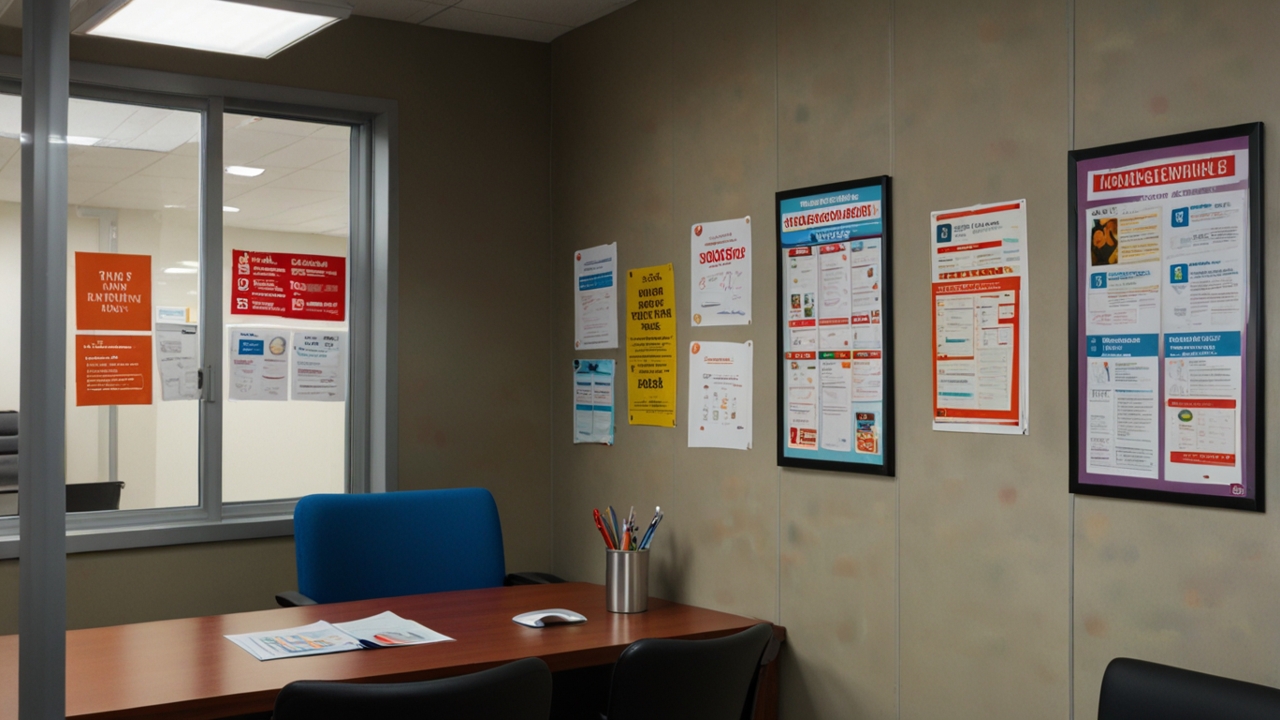
Compliance-related communication is essential in any corporate setting, and bulletin boards offer an effective way to ensure that required information is visible to all employees. Labor law postings, workplace safety guidelines, anti-harassment policies, and emergency procedures are examples of documents that need to be easily accessible. Electronic distribution alone may not satisfy regulatory guidelines or employee awareness needs. Posting them in a centralized location helps maintain compliance and reinforces organizational accountability.
Bulletin boards also help HR departments ensure that important policies are consistently communicated throughout the workforce. When new regulations or internal policies are introduced, employees may require time to adjust. Repeated exposure to reminders can aid in reinforcing compliance behavior. For example, a new attendance policy or remote work guideline can be displayed for several weeks, ensuring that employees have adequate opportunity to understand and adopt the change before enforcement begins.
Moreover, bulletin boards can help clarify expectations and reduce misunderstandings. Clear, visible policy reminders reduce confusion and prevent repeated inquiries to HR staff. This decreases administrative workload and improves operational efficiency. The result is a more informed workforce that confidently adheres to standards, creating a workplace environment built on mutual respect, awareness, and shared responsibility.
Promoting Employee Training and Professional Development
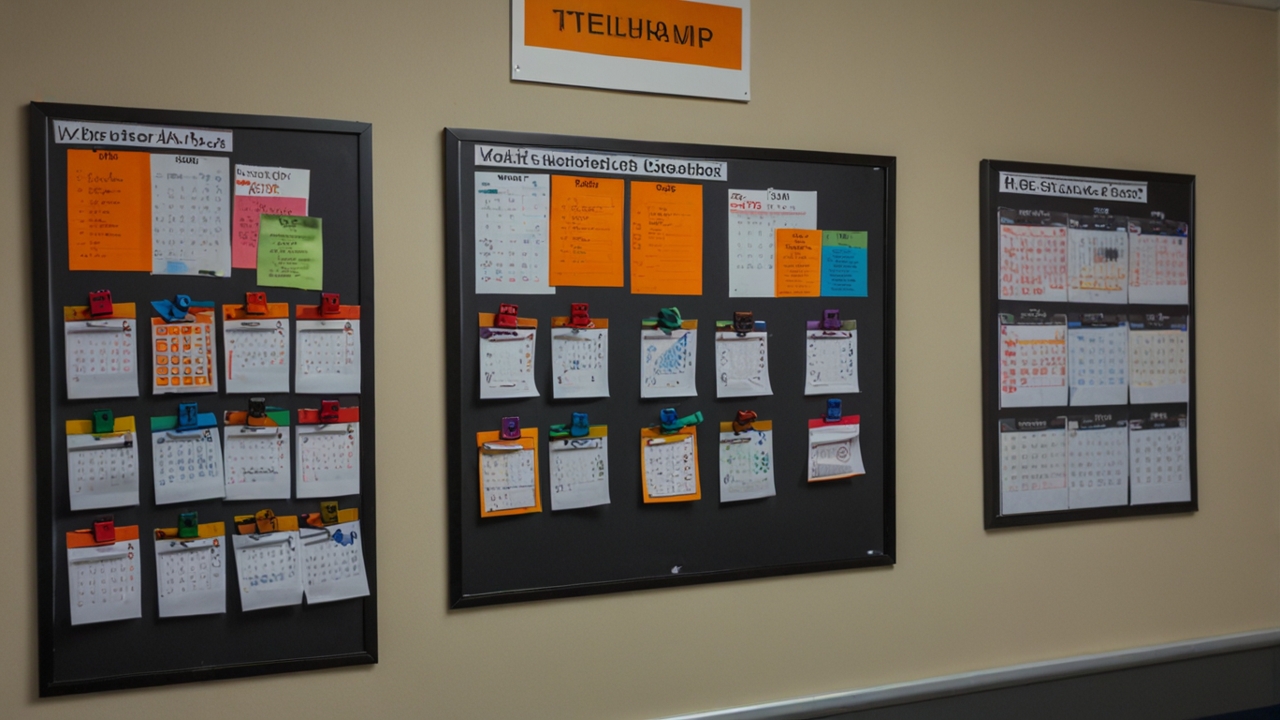
Training reminders and professional development opportunities are among the most valuable forms of content HR can display on bulletin boards. Many employees want to participate in training initiatives but may miss sign-up deadlines or overlook opportunities if announcements are buried in email threads. Posting programs, workshops, certification schedules, and learning paths on bulletin boards makes this information continuously visible and easy to reference.
Incorporating visual elements such as calendars, checklists, and progress pathways can make training reminders more engaging. Employees benefit from being able to see upcoming milestones and plan ahead. For example, if quarterly soft skills training or mandatory compliance modules are scheduled, having them displayed ensures employees can anticipate timelines and manage their workload accordingly. This reduces last-minute scrambling and improves participation rates.
Furthermore, bulletin boards can help reinforce a culture of continuous learning and growth. When employees regularly see development opportunities showcased, it signals that the organization values their improvement and long-term success. This contributes to increased morale, motivation, and retention, as employees feel supported in advancing their careers. A workplace committed to ongoing learning is more adaptive, resilient, and prepared for organizational evolution.
Strengthening Employee Engagement and Company Culture
Bulletin boards also serve as valuable platforms for fostering workplace culture and enhancing employee engagement. Beyond HR updates, they can highlight achievements, celebrate milestones, and recognize employee contributions. Spotlighting employee excellence and sharing internal success stories strengthens team morale and reinforces a sense of belonging. The physical presence of these affirmations has a deeper emotional impact compared to digital recognition, which may be quickly forgotten.
Company-wide events such as team-building activities, corporate social responsibility initiatives, and wellness challenges can also be promoted on bulletin boards. Employees who may not be active on digital channels still receive updates and have the chance to participate. This ensures inclusivity and encourages greater involvement across departments. The shared visibility helps create a unifying atmosphere, encouraging connection and collaboration among coworkers.
Moreover, bulletin boards can be interactive. Encouraging employees to contribute suggestions, creative ideas, or peer appreciation notes transforms the board into a space of shared expression. This promotes transparency, authenticity, and interpersonal connection—qualities crucial to a positive organizational culture. Through thoughtful curation, bulletin boards evolve from simple communication tools into dynamic community-building spaces.
Best Practices for Effective Bulletin Board Management
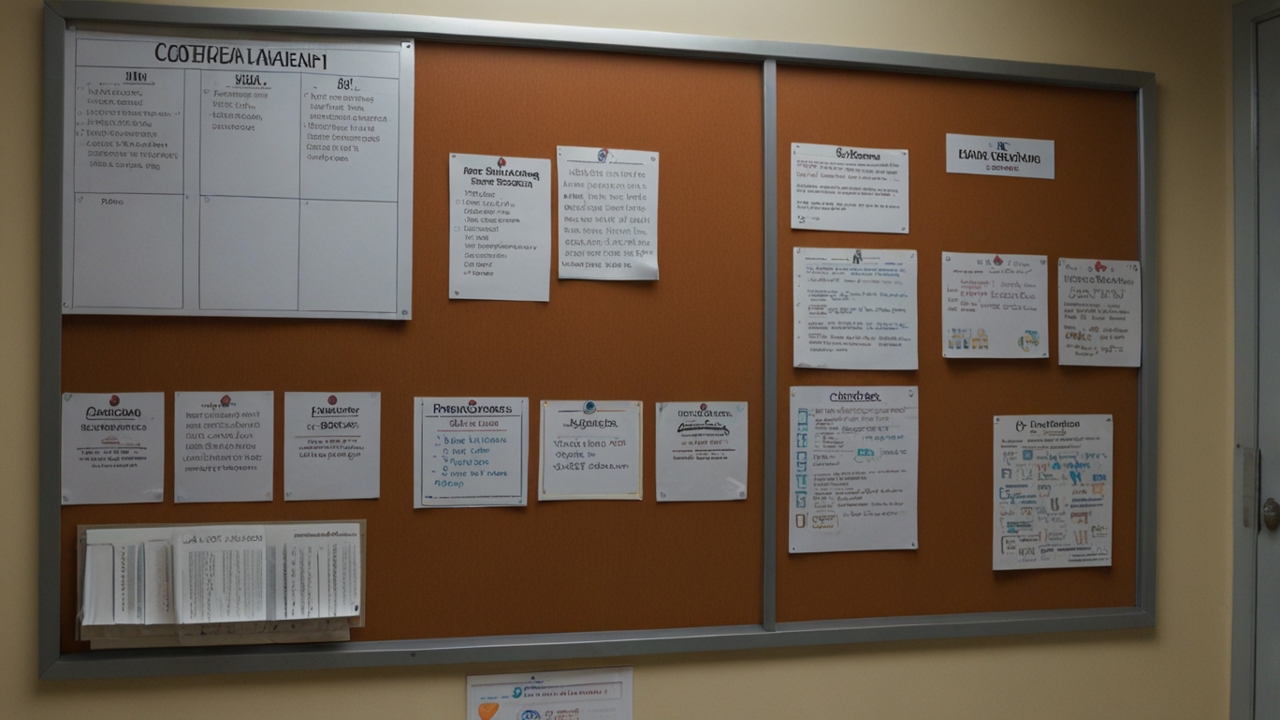
To maximize the value of bulletin boards, HR teams need to manage them intentionally and consistently. The content should be kept up-to-date, relevant, and accurately presented. Outdated notices can create confusion and diminish trust in the board’s usefulness. Establishing a routine schedule for review and updating, such as weekly or bi-weekly, ensures the board remains fresh and valuable. Assigning responsibility to specific team members can help maintain accountability and prevent clutter.
Design and layout also play an important role. Information should be organized in a clear and visually appealing manner, using headings, consistent fonts, and structured sections. Categorizing postings into themes such as Policies, Training, Announcements, and Recognition helps employees locate information quickly. Incorporating varied visual mediums like printed graphics, charts, and informative handouts increases engagement and readability.
Finally, placement is crucial. Bulletin boards should be strategically located where employees naturally pass through or gather. High-traffic areas ensure the material receives continual attention. When bulletin boards are thoughtfully managed, they become a powerful communication asset—supporting HR’s mission, improving workforce awareness, and contributing to a more cohesive workplace environment.
RELATED POSTS