
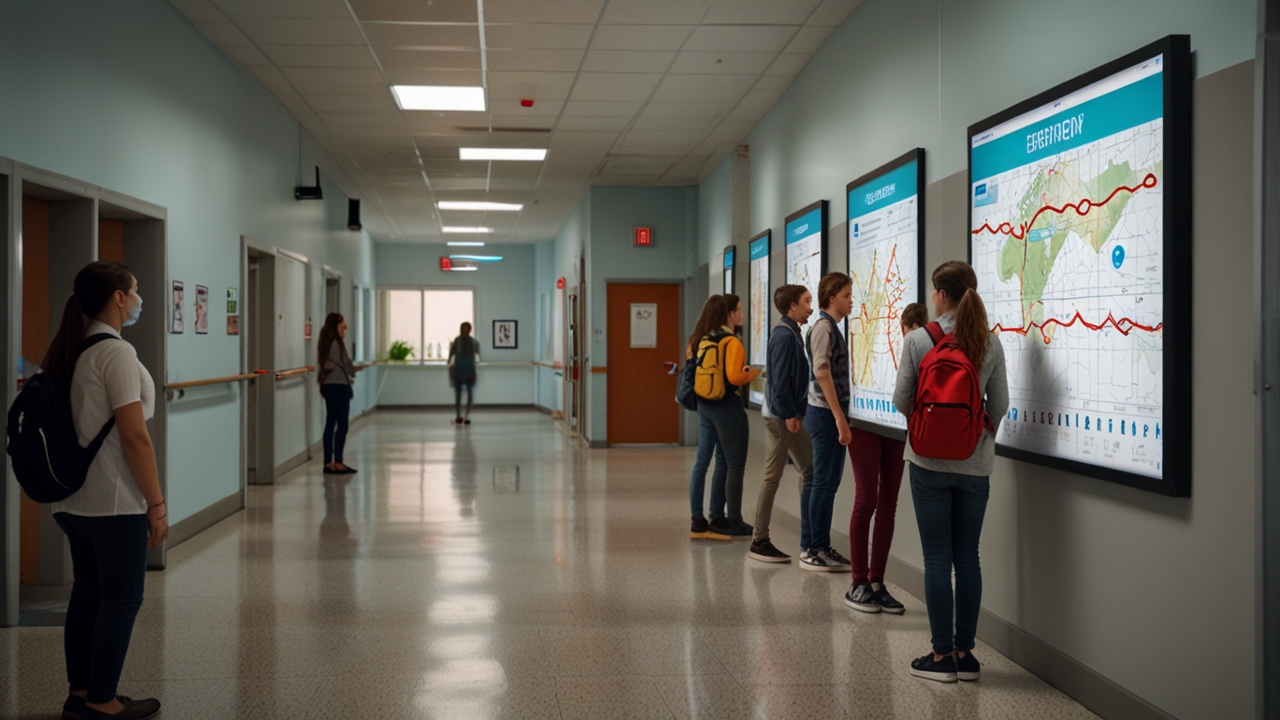
Modern schools face an increasing need to communicate critical information effectively and quickly, especially during emergency situations. Traditional methods such as printed notices, announcements over loudspeakers, or manual instructions from teachers often fall short in times of urgency. Digital boards provide an efficient communication solution, allowing schools to broadcast important alerts instantly across classrooms, hallways, cafeterias, and dormitory common areas. With real-time messaging capabilities, staff can push instructions, route guidance, and emergency protocols without delay, reducing confusion and enhancing safety.
The presence of digital boards in educational environments strengthens emergency preparedness by centralizing communication. Instead of depending solely on staff availability or network intercoms, a digital signage management system can deliver alerts instantly from a secured dashboard. Schools can pre-load templates for fire drills, lockdown situations, evacuation maps, severe weather protocols, and safety reminders to ensure that students receive accurate information when needed. This reduces misinformation and ensures that messaging is aligned with official safety guidelines.
Beyond emergency alerts, digital boards reinforce a culture of preparedness. Routine safety reminders displayed throughout the academic year help familiarize students and staff with emergency procedures. Visual guidance showing exit routes, designated safe zones, and emergency contact information contributes to increased confidence and reduces panic in real situations. This proactive reinforcement improves overall response time and safety outcomes when emergencies occur.
Enhancing Real-Time Communication During Emergencies

During emergencies, every second counts. Traditional communication systems can become overwhelmed, delayed, or inaccessible. Digital boards enable schools to provide immediate updates in real time, with clear instructions displayed visually to all occupants at once. Whether it is a fire evacuation, earthquake drill, medical incident, or security lockdown, administrators can instantly push step-by-step directives that reduce confusion and panic. Real-time synchronization ensures that the same message reaches every building and every room simultaneously.
In dormitory settings, digital boards offer an essential layer of safety communication. Students may be sleeping, studying, or dispersed across shared areas where phone alerts or announcements cannot always reach them. A centrally managed system ensures that dorm supervisors and campus security can notify residents efficiently without disruption. This is particularly valuable in multi-building campus housing where coordination across facilities is required.
Real-time updates also allow for dynamic communication as situations evolve. For example, if an evacuation route becomes unsafe or guidance changes based on emergency personnel instructions, administrators can instantly update displayed directions. This capability significantly enhances responsiveness and reduces the risk of miscommunication that can occur with static signage or verbal instructions alone.
Integrating Digital Boards With School Safety Systems

To maximize effectiveness, digital boards can be integrated with existing school security technologies. This includes alarm systems, campus surveillance, access controls, and communication platforms used by administrators and safety personnel. When equipped with automated triggers, digital boards can switch to emergency mode the moment a threat is detected, providing instant visibility even before staff manually respond. This automation can save valuable time and support faster decision-making.
Integrating digital boards with intercoms and alert systems allows messages to be delivered in both audio and visual formats. This accessibility is critical for students who are hard of hearing or those in environments where audio alerts may not be noticeable. Clear visual instructions ensure inclusivity in crisis communication and improve comprehension across diverse student groups.
Furthermore, centralized content management software allows districts or multiple school facilities to operate under a unified safety communication framework. This ensures consistent standards, efficient message updates, and seamless coordination between schools, security personnel, and emergency responders. The result is a more secure and prepared educational community.
Training Students and Staff With Visual Safety Guidance
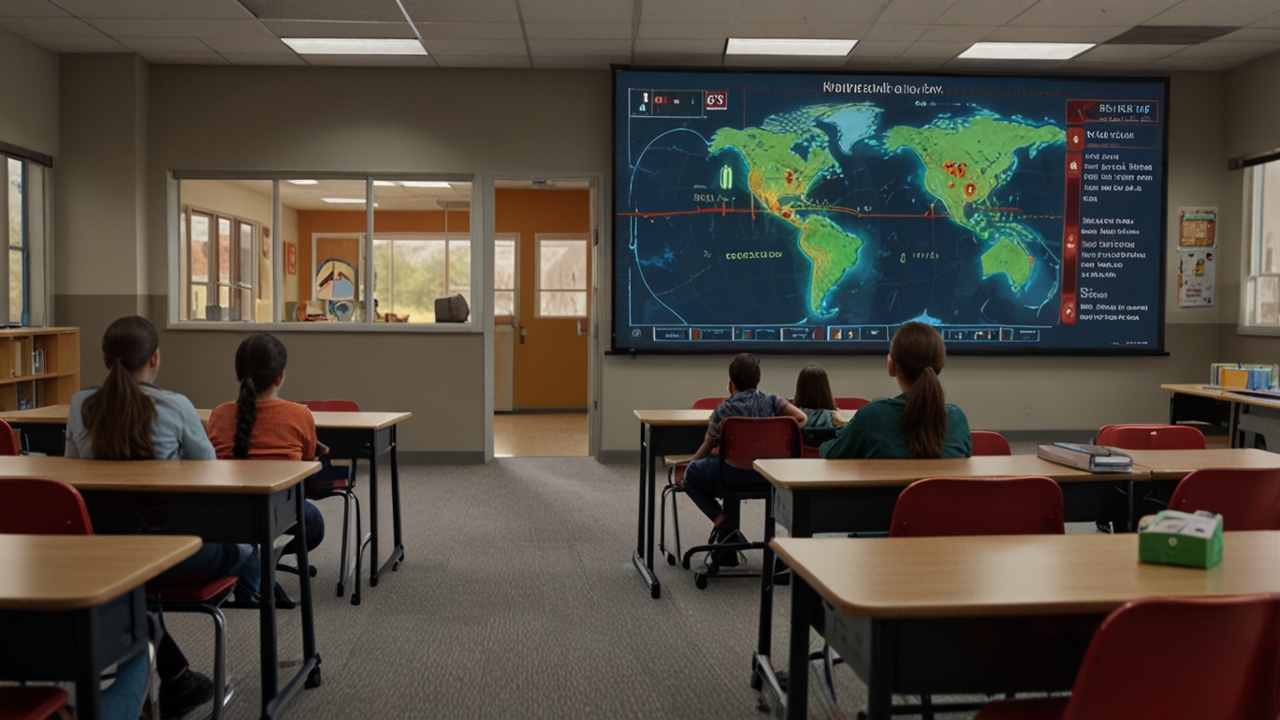
Digital boards also play a critical role in training and preparedness drills. Schools can display step-by-step procedure guides, animated evacuation maps, and practical instructions that visually demonstrate where to go and what actions to take. This method reduces the cognitive load of remembering spoken instructions and ensures clarity during both drills and real emergencies.
Staff training benefits greatly from visual support as well. Teachers and resident assistants can refer to digital safety content to lead drills with accuracy and consistency. This reduces discrepancies in procedural knowledge between different staff members and ensures that every classroom or dorm receives the same level of preparedness training. It also supports onboarding for new or temporary staff.
Routine visibility of safety visuals reinforces memory through repetition. When students repeatedly see exit routes and emergency action cues displayed over time, they develop familiarity and confidence. This leads to smoother, quicker responses during real emergencies, which can significantly improve safety outcomes.
Building a Culture of Safety and Awareness

Emergency preparedness is not only about response but also about fostering awareness, responsibility, and calmness within the school community. Digital boards help normalize conversations about safety by presenting reminders, preparedness tips, and seasonal or situation-based safety information. This encourages students and staff to remain attentive and engaged with their environment.
A culture of preparedness reduces fear during real emergencies because students already understand protocols and trust the school’s system. When instructions appear on digital boards, students recognize the format and know how to respond based on prior repetition and familiar cues. The emotional confidence this creates is an invaluable part of overall safety strategy.
Schools that implement digital board systems demonstrate proactive commitment to student security and well-being. This not only strengthens internal trust but also reassures parents and guardians. When families see that a school invests in modern communication systems, they gain confidence in the safety of the learning environment, contributing to a stronger school community.
RELATED POSTS