

Bulletin boards have long been a visual centerpiece in schools and dormitories, but their role goes far beyond simple announcements. When strategically placed and thoughtfully designed, they become communication anchors where students can feel grounded and connected. In an environment where young people are continuously navigating academic pressures and social transitions, bulletin boards serve as a dependable source of guidance, familiarity, and community identity. They make shared information accessible and visible, promoting transparency and inclusiveness for all students.
Another strength of bulletin boards is their ability to reflect the character and values of the school community. Whether the content showcases achievements, celebrates cultural diversity, or highlights campus programs, each board silently communicates what the institution stands for. This visual storytelling helps students understand that they are part of something larger, motivating them to participate, engage, and interact with others. In many cases, a compelling bulletin board can be the spark that pushes a shy student to join a club or attend a campus event.
Furthermore, bulletin boards help create physical spaces that encourage interaction. When students stop to read updates or check schedules, these touchpoints naturally become hubs for conversation. Peers exchange ideas, discuss upcoming activities, and share feedback on what is displayed. Over time, this fosters familiarity and mutual understanding among students, which plays a crucial role in shaping a friendly, collaborative campus atmosphere.
For HR departments, bulletin boards serve as a reliable medium to share updates that require frequent or prolonged visibility. Announcements such as changes in attendance policies, wellness programs, internal job openings, and upcoming performance review timelines benefit from being displayed physically. Unlike digital notifications that disappear after being read, bulletin boards create a persistent message presence. This ensures that employees can reference information whenever needed without searching through emails or internal systems. The communication becomes more transparent, consistent, and equitable across the organization.
Additionally, bulletin boards contribute to a more open workplace culture. They promote visibility and accessibility to information, reducing the sense of hierarchy sometimes associated with private communications. When HR messages and reminders are displayed prominently, employees feel more informed and involved. This fosters trust and engagement, strengthens organizational alignment, and reinforces HR’s role in supporting overall employee success and well-being.
Designing Bulletin Boards That Encourage Student Interaction
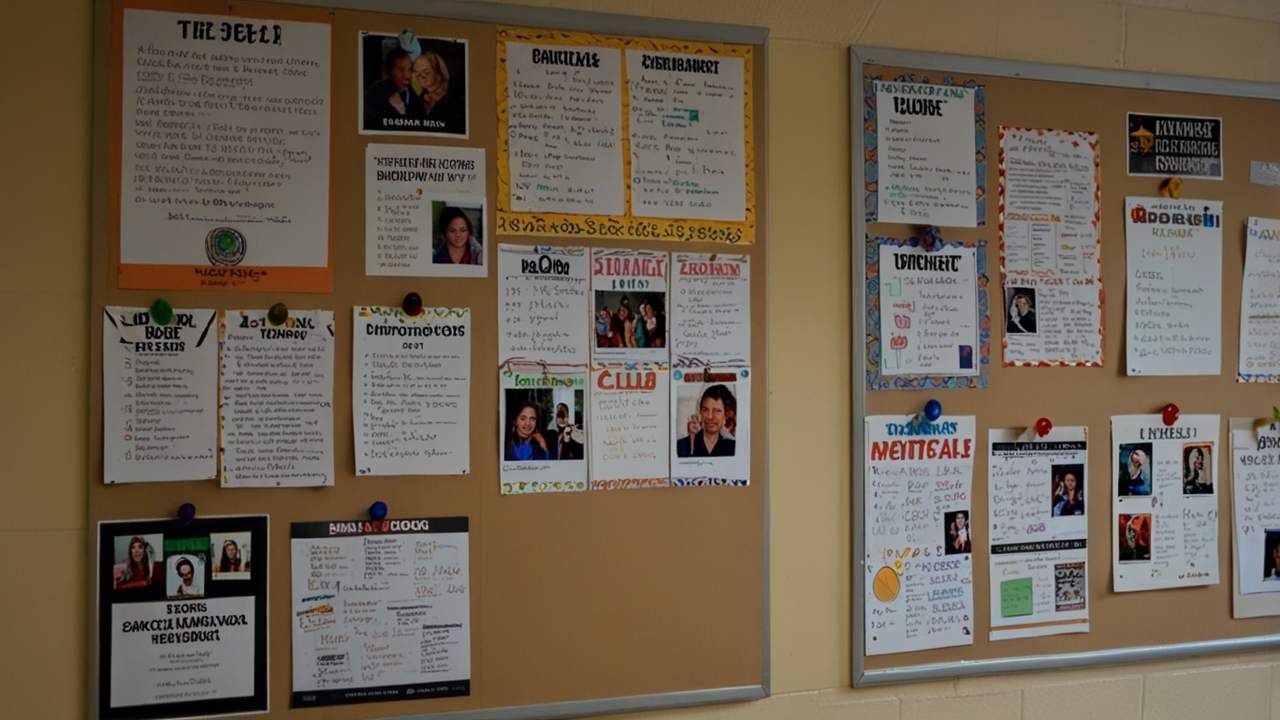
Designing an engaging bulletin board starts with understanding what students actually need and want to see. Content must be relevant, timely, and visually presented in a way that captures attention even during busy school days. Colors, typography, and layout all play a major role in driving interaction. Vibrant headings, uniform layout grids, and visually balanced elements help students absorb information more quickly, making the board feel approachable rather than overwhelming. Successful designs should also follow a consistent visual system so students instinctively know where to find specific types of information.
Interactive elements significantly elevate a board’s ability to build community. Sections for student submissions, idea cards, and weekly highlights invite students to contribute and participate. Adding simple tactile features like pockets for flyers, removable sign-up sheets, or tear-away notes encourages deeper involvement. With these small, intentional elements, students feel equipped not only to learn from the board but to shape it with their contributions, transforming the bulletin board into a shared community asset.
Schools and dormitories can also enhance the longevity of bulletin boards by routinely refreshing and reorganizing content. A board that remains unchanged for months loses its purpose and becomes part of the background. Setting maintenance schedules ensures that information stays accurate and reflective of current student life. When students consistently see new material, they are more inclined to return, interact, and contribute, maintaining a healthy cycle of participation.
Integrating Technology Into Traditional Bulletin Boards
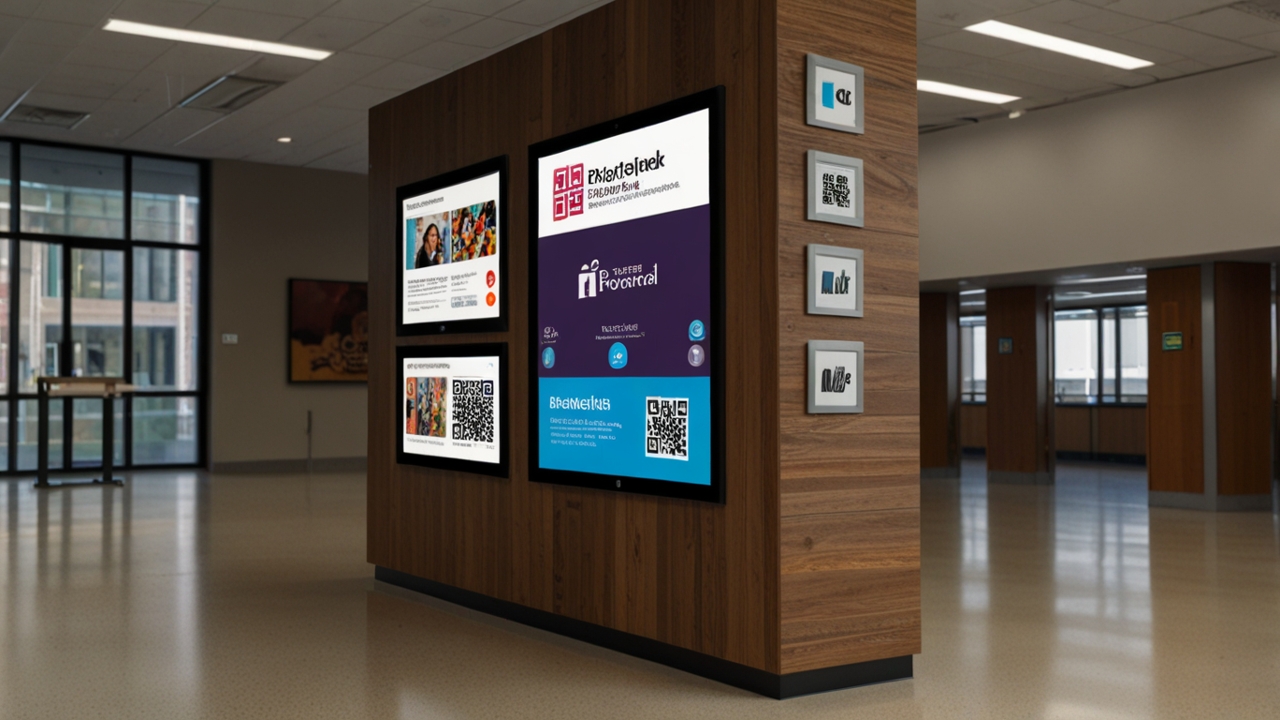
Modern campuses thrive on digital efficiency, and integrating technology into bulletin boards bridges the gap between traditional communication and contemporary student habits. Adding QR codes that lead to event pages, sign-up forms, or learning resources allows students to transition from visual information to digital action seamlessly. This also reduces clutter, as lengthy details can remain online while the board highlights only the most essential information. Digital enhancements create a more dynamic and flexible communication system that evolves with the pace of school activities.
Digital displays can also be incorporated to bring movement and timeliness into student communication. Screens can show rotating slides for club meetings, urgent notices, wellness reminders, or study tips. When positioned alongside traditional boards, they offer a synchronized experience that accommodates both visual learners and digitally inclined students. This hybrid system ensures that no student misses important updates, as content reaches them through multiple channels.
Furthermore, technology enables campuses to track engagement and optimize their communication strategies. By monitoring link clicks, sign-up rates, and content performance, schools gain insights into what students pay attention to. This data-driven approach helps decision-makers refine bulletin board content so that it remains meaningful and effective. The blend of physical and digital information also encourages students to interact more frequently, reinforcing a sense of connectedness within the community.
Encouraging Student Participation Through Content Variety
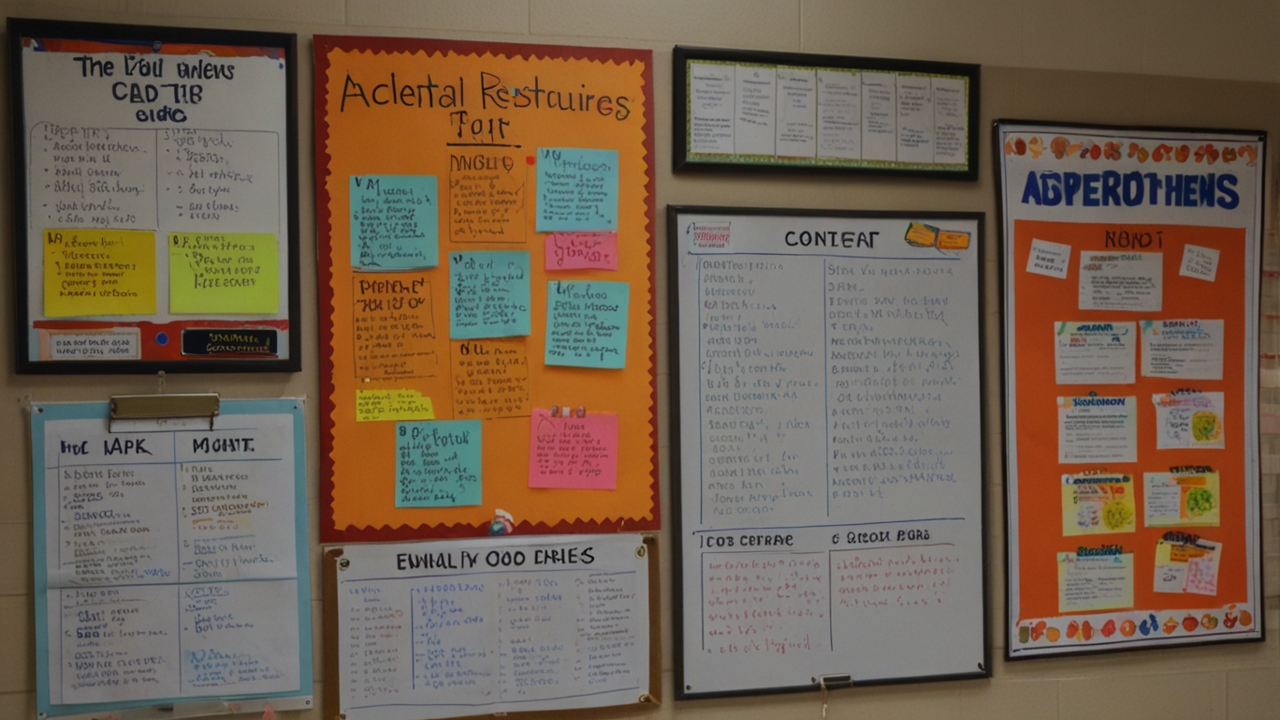
A connected student community thrives on representation, and bulletin boards that offer diverse content naturally appeal to a wider audience. Students are more likely to engage when they see materials that reflect their interests, backgrounds, and goals. This can include academic resources, cultural celebrations, extracurricular highlights, leadership opportunities, and wellness reminders. A rich mix of content allows every student to find something that resonates with them, strengthening the board’s role as a community platform rather than a simple announcement space.
Featuring student-generated content is one of the most effective ways to boost involvement. Allowing students to showcase projects, artwork, achievements, or personal reflections makes the board more authentic and relatable. Peer representation builds trust and encourages more students to contribute their own ideas or talents. When students recognize their voice in the community space, they feel valued and included, leading to stronger participation and collaboration.
Rotating specialty themes also helps maintain student interest. Boards can highlight weekly study tips during exam seasons, sustainability projects during environmental campaigns, or cultural features during heritage months. These focused themes encourage students to explore topics they may not otherwise engage with, fostering discovery and shared learning. The variety maintains freshness while creating opportunities for students to connect over new conversations and experiences.
Sustaining a Vibrant Community Through Consistent Communication
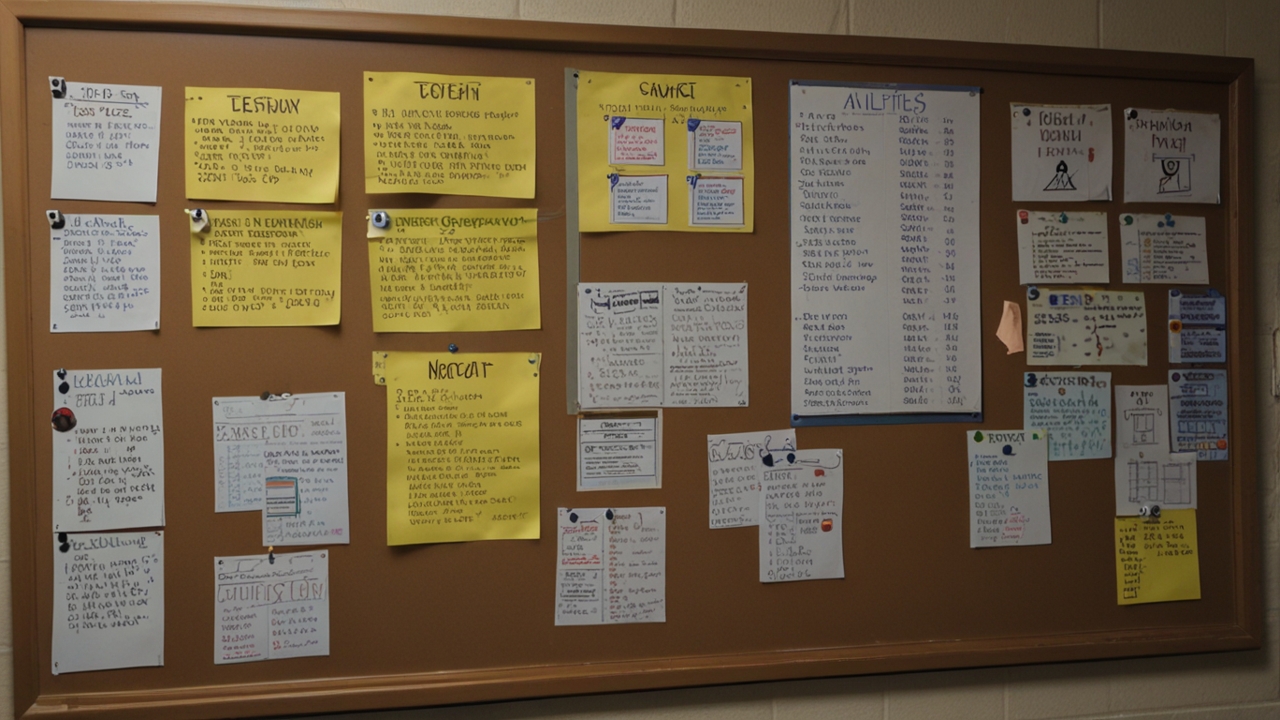
Consistency is essential for maintaining bulletin boards that genuinely support student connection. Regular updates ensure that students always find something new, encouraging them to revisit the board frequently. When information stays current, it supports trust and reliability within the community. Students rely on the board to stay aligned with campus activities, deadlines, and announcements, making it a dependable tool rather than a neglected decoration.
Assigning responsibility to a small student-led team can greatly strengthen the sustainability of bulletin boards. These committees can monitor content accuracy, remove outdated materials, and gather new submissions from various organizations. Involving students in the maintenance process not only distributes tasks efficiently but also reinforces ownership and pride in the communication system. A community-driven board reflects real student life more accurately, making it more relatable and engaging.
Over time, consistently updated bulletin boards help shape a connected campus culture. They remind students that support, activities, and opportunities are always present within their environment. This continuous flow of information reinforces the idea that the school or dormitory is an ecosystem built on collaboration and engagement. When communication remains active and accessible, students experience a deeper sense of belonging, which strengthens the overall community.
RELATED POSTS