

Digital boards in transportation hubs evolved from simple LED displays that only provided basic arrival and departure information. These early systems were often limited by low-resolution screens and minimal visual capabilities, designed purely for functional text-based updates rather than rich, dynamic communication. Despite their simplicity, they represented a major shift away from manual signage and paper schedules, offering real-time updates that reduced confusion in busy travel environments.
As major cities expanded, transportation authorities recognized the need for faster communication of critical information to large populations. Manual updates were too slow, especially during unexpected events such as delays, accidents, or weather disruptions. The introduction of computerized systems enabled operators to push updates instantly, improving consistency and reducing human error. Over time, these systems became essential infrastructure components, relied upon by millions of commuters daily.
The industry’s next technological leap came when transportation hubs began integrating larger, brighter digital displays capable of showing more than just text. With advancements in screen technology, digital boards could now include color-coded alerts, route maps, and service notifications. These improvements made transportation hubs more efficient and visually intuitive, helping commuters navigate even the most complex travel networks with greater ease.
Enhancing Operational Efficiency for Transport Authorities

Transportation authorities benefit significantly from deploying digital boards in high-traffic public spaces. By centralizing communication, authorities can manage large volumes of commuters more effectively while reducing the reliance on manual announcements and printed materials. Digital boards can integrate with ticketing and scheduling systems to display real-time occupancy, train or bus frequencies, and alternate route suggestions, helping staff redirect traffic and avoid congestion.
Additionally, the flexibility of digital boards allows for rapid content updates without incurring additional costs associated with printed signage. In emergency scenarios or service disruptions, transportation staff can immediately update content, issuing instructions and advisories to multiple screens simultaneously across the hub. This reduces human error and ensures consistency in messaging, which is critical during high-pressure situations.
Digital boards also provide valuable data analytics for operational improvements. By monitoring the engagement of commuters with displayed information, authorities can identify patterns in crowd flow, peak travel times, and the effectiveness of announcements. These insights inform decision-making regarding resource allocation, staffing, and scheduling, ultimately improving the efficiency and reliability of transportation services.
Improving Commuter Experience and Satisfaction
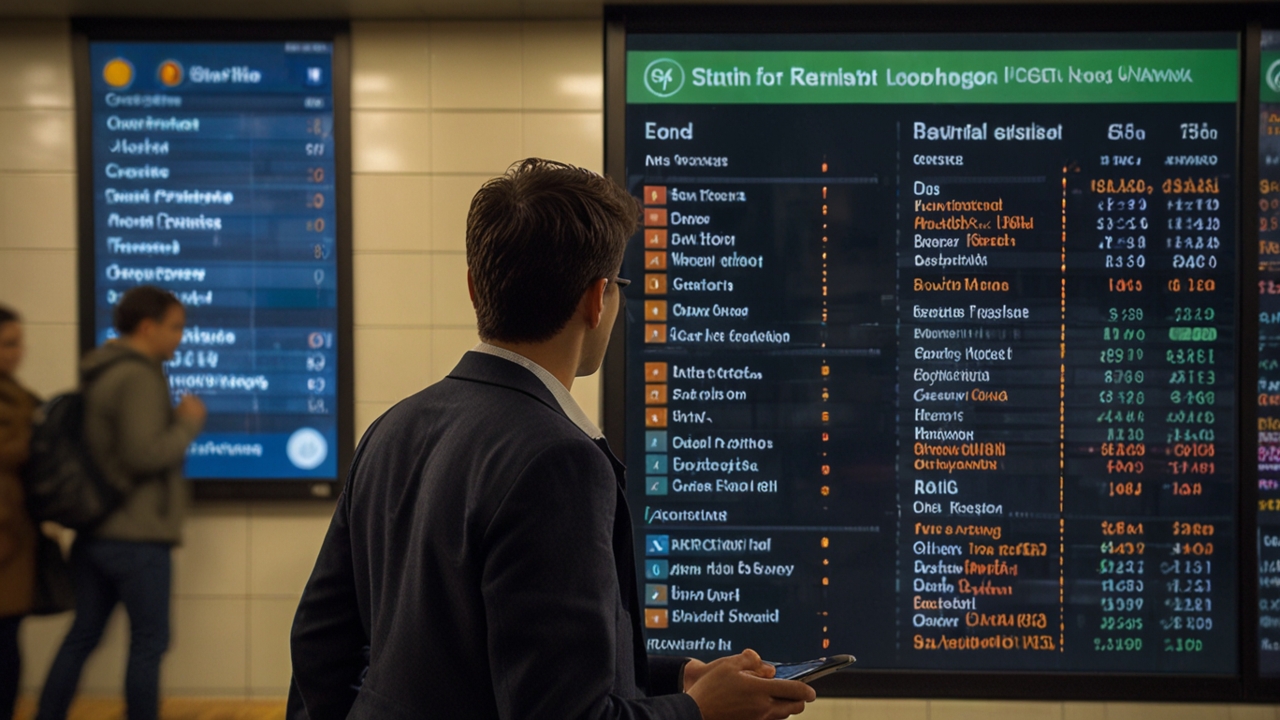
A well-informed commuter is a satisfied commuter. Digital boards enhance the passenger experience by reducing uncertainty and wait times. Travelers can quickly check boarding gates, bus departure times, and platform changes, enabling them to navigate through large transportation hubs seamlessly. Interactive boards even allow users to search for specific routes, find amenities, or locate facilities like restrooms, elevators, and information desks.
Entertainment and service announcements on digital boards also contribute to commuter satisfaction. While waiting, passengers can view news updates, weather forecasts, or travel tips, transforming idle time into a more pleasant and informative experience. Additionally, personalized messages, such as loyalty program offers or alerts for frequent travelers, help build a connection between transit authorities and passengers.
Finally, the integration of mobile and digital board systems allows for a multi-channel communication approach. Passengers receive notifications via apps, while on-site digital boards reinforce key information, reducing anxiety caused by travel uncertainties. This combined approach ensures that commuters feel valued, informed, and safe, increasing overall satisfaction and fostering a positive perception of public transportation systems.
Cost-Effective Communication Solution
Digital boards provide a highly cost-effective solution for transportation hubs compared to traditional signage. Printed posters, boards, and manual announcements require constant updates and labor, leading to recurring expenses. Digital displays, once installed, only require minimal maintenance and software updates, offering long-term savings.
Moreover, digital boards can combine multiple functions into one platform. Instead of having separate boards for schedules, advertisements, and emergency notices, a single digital board can rotate content efficiently. This reduces hardware costs, conserves physical space, and simplifies installation and maintenance processes. Additionally, energy-efficient LED screens and scheduling software allow authorities to minimize operational costs without compromising communication effectiveness.
Another cost-saving benefit comes from improved operational efficiency. By reducing crowd mismanagement and service delays, digital boards indirectly save costs associated with manpower, security, and passenger complaints. Over time, the combination of reduced labor, maintenance, and operational expenses makes digital boards an economically advantageous investment for transportation authorities.
Future Trends in Digital Communication for Public Spaces
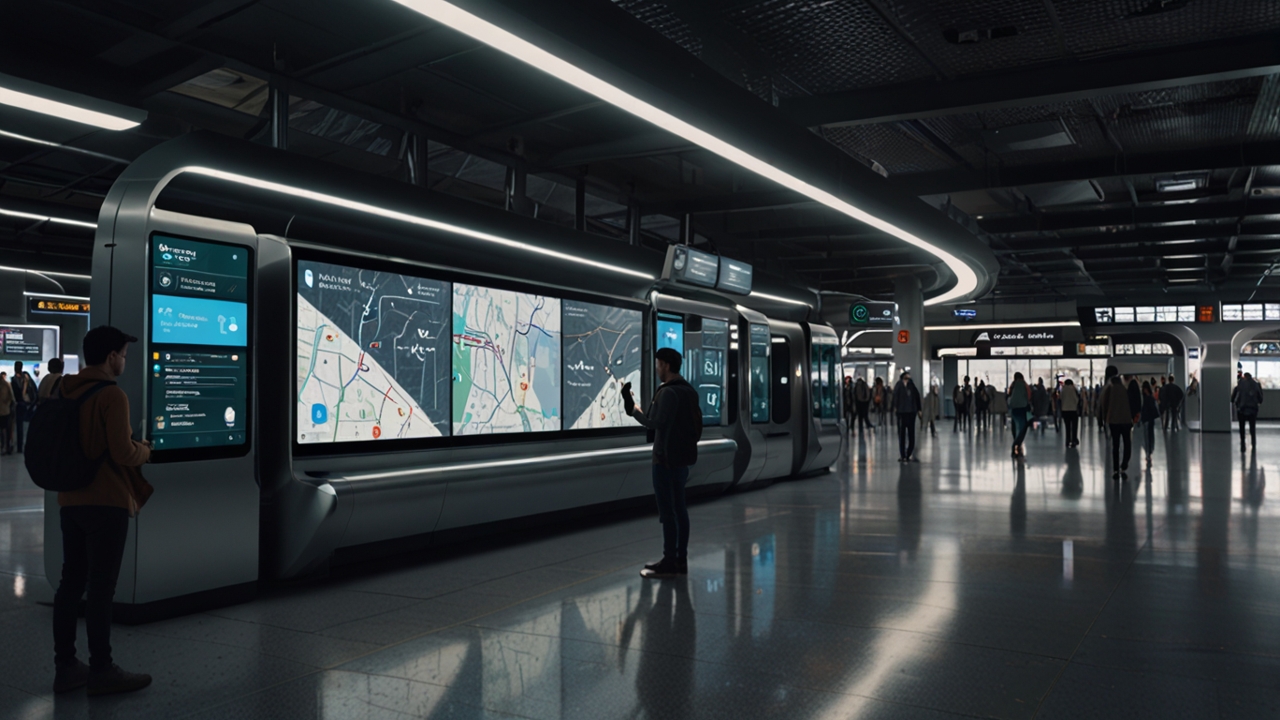
Digital boards in transportation hubs are rapidly evolving with emerging technologies such as AI, IoT, and predictive analytics. Future boards are expected to display personalized content tailored to commuter behavior, travel patterns, and preferences. By analyzing real-time passenger data, boards could suggest alternative routes, predict delays, and provide actionable insights for each traveler.
Augmented reality (AR) integration is also on the horizon. Passengers could use AR apps on their smartphones to scan digital boards for interactive maps, step-by-step navigation, and 3D visualizations of station layouts. This technology would enhance wayfinding, making large or complex hubs easier to navigate while offering an engaging and futuristic experience.
Finally, sustainability and smart city integration will define the next generation of digital communication. Digital boards with energy-efficient screens, solar power integration, and connectivity with other public infrastructure will support environmental initiatives and intelligent urban planning. Combined, these trends indicate a future where digital boards not only inform but actively enhance mobility, safety, and commuter satisfaction in public spaces.
RELATED POSTS