
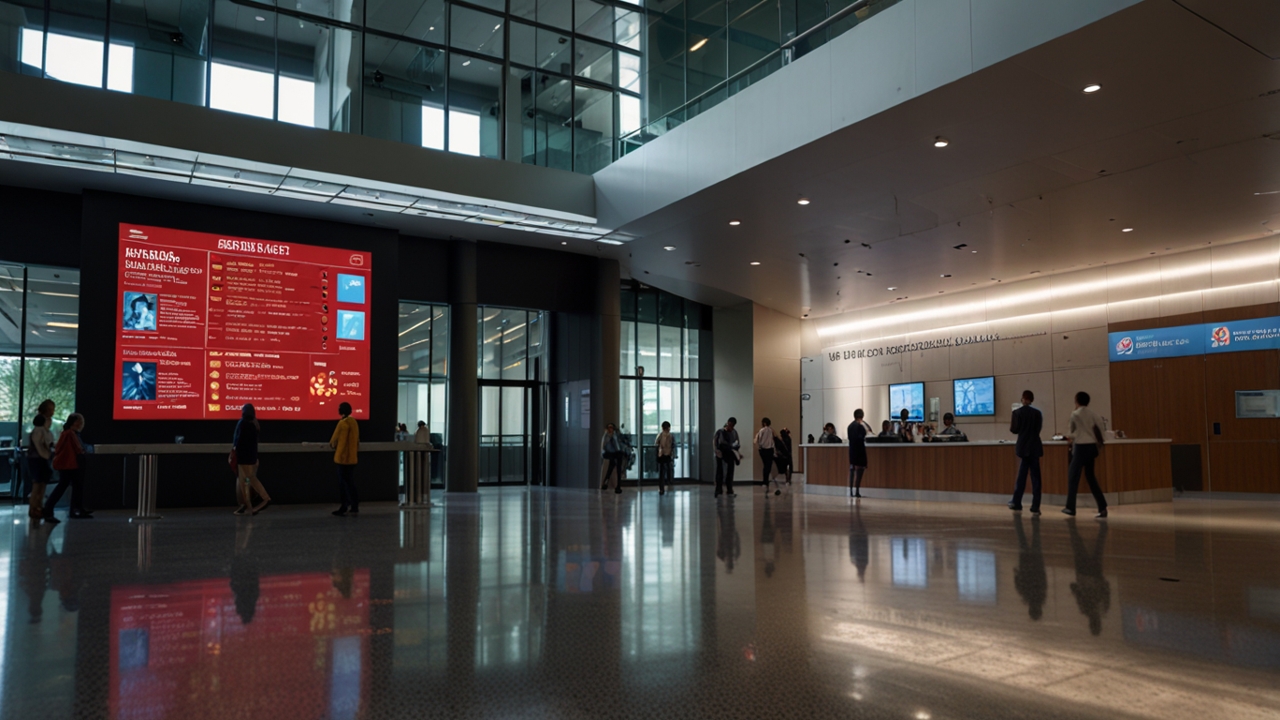
Digital bulletin boards play a critical role in how governments communicate safety-related information to the public. In environments such as city halls, transportation hubs, parks, hospitals, and municipal buildings, clear and immediate communication can significantly reduce confusion and risk during both routine operations and emergencies. Unlike printed notices that can be overlooked or outdated, digital bulletin boards allow authorities to deliver timely, visible, and location-specific safety messages that reach large audiences simultaneously.
These systems support public safety awareness by presenting information in a structured and visually engaging manner. Alerts about weather hazards, health advisories, evacuation routes, or security updates can be displayed with high contrast, readable fonts, and supporting visuals that improve comprehension. This is particularly important in public spaces where audiences may include elderly individuals, tourists, or people with limited language proficiency who rely on visual cues rather than long text-based instructions.
Beyond emergencies, digital bulletin boards contribute to everyday safety education. Messages about fire prevention, public conduct, traffic rules, and emergency preparedness can be scheduled and rotated regularly. This consistent exposure reinforces awareness and helps build a safety-conscious culture across government-managed environments, ensuring that safety information becomes part of the public’s daily experience rather than an afterthought.
Real-Time Alerts and Emergency Response Communication
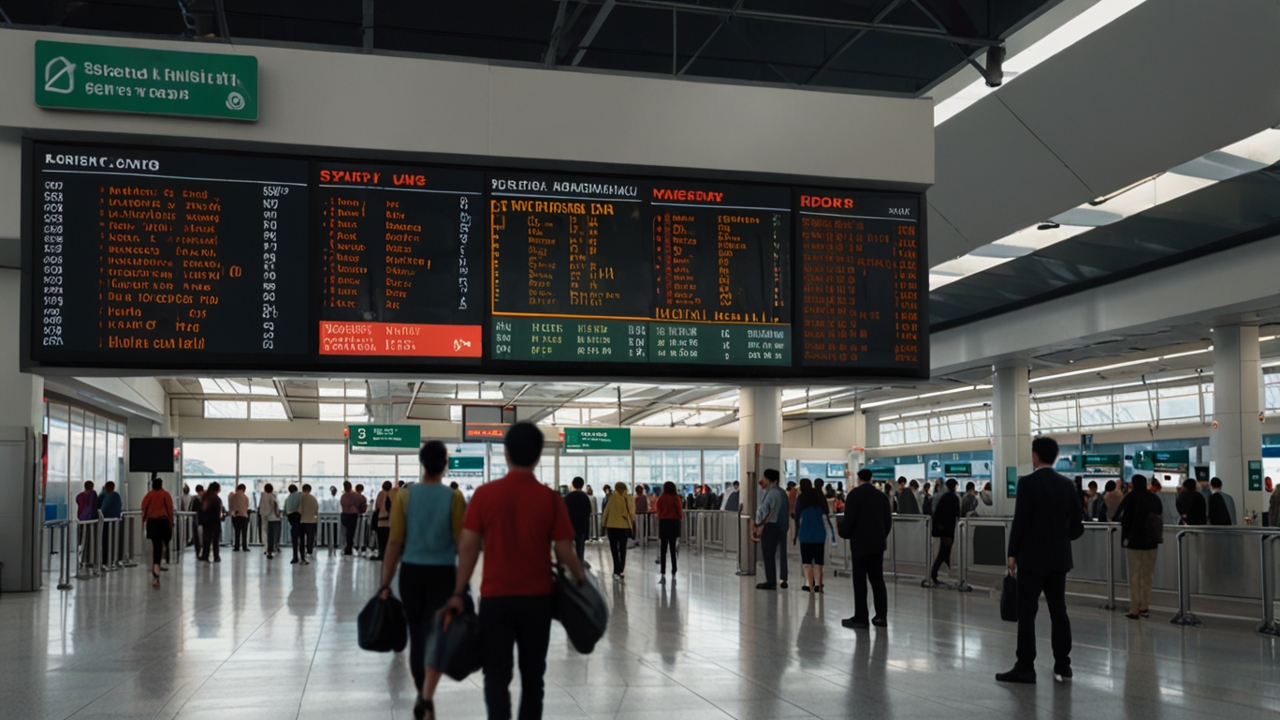
One of the most powerful advantages of digital bulletin boards is their ability to deliver real-time alerts. During emergencies such as natural disasters, security threats, or infrastructure failures, speed and accuracy of information are essential. Digital bulletin boards can be updated instantly from a central system, ensuring that all connected locations display the same verified message without delay.
In public spaces like train stations, airports, and government service centers, real-time updates help manage crowd behavior and prevent panic. Clear instructions such as shelter-in-place notices, evacuation directions, or service suspensions reduce uncertainty and guide people toward safe actions. Because these messages can include symbols, animations, and color-coded alerts, they are easier to understand even in stressful situations.
Digital bulletin boards also support coordinated emergency response by aligning public messaging with first responders and government agencies. When information is consistent across physical spaces, websites, and mobile alerts, trust in public authorities increases. Citizens are more likely to follow instructions when messages are clear, authoritative, and visibly present in the spaces they occupy.
Improving Accessibility and Inclusivity in Safety Messaging

Public safety communication must be accessible to everyone, and digital bulletin boards provide tools that traditional signage cannot. Government and public spaces serve diverse populations, including individuals with disabilities, non-native language speakers, and varying literacy levels. Digital displays can present multilingual messages, visual symbols, and simplified layouts that make safety information easier to understand.
Features such as large text, high-contrast color schemes, and animated instructions improve readability for people with visual impairments or cognitive challenges. Audio integration and visual countdowns can further assist individuals who may struggle with standard written notices. This inclusive approach ensures that safety messaging reaches all segments of the population, not just those who are already well-informed.
By prioritizing accessibility, governments demonstrate accountability and social responsibility. Digital bulletin boards help bridge communication gaps and reduce inequality in access to safety information. In doing so, they strengthen public trust and ensure that no individual is excluded from critical updates that may affect their well-being.
Supporting Daily Safety Awareness and Preventive Education

Digital bulletin boards are not only effective during emergencies but also serve as long-term tools for preventive safety education. Government agencies can use these displays to promote awareness about public health guidelines, fire safety practices, traffic regulations, and community preparedness programs. Repeated exposure to these messages helps reinforce safe behaviors over time.
In public buildings such as libraries, schools, and municipal offices, digital bulletin boards can rotate educational content throughout the day. This allows safety messages to be delivered without overwhelming viewers, ensuring that information remains relevant and engaging. Visual storytelling, short reminders, and seasonal safety tips contribute to a proactive approach rather than reactive communication.
Preventive education through digital displays reduces the likelihood of incidents by encouraging informed decision-making. When citizens understand risks and recommended actions in advance, they are better prepared to respond appropriately. This ongoing communication supports safer communities and reduces the burden on emergency services.
Building Trust and Transparency Through Digital Communication
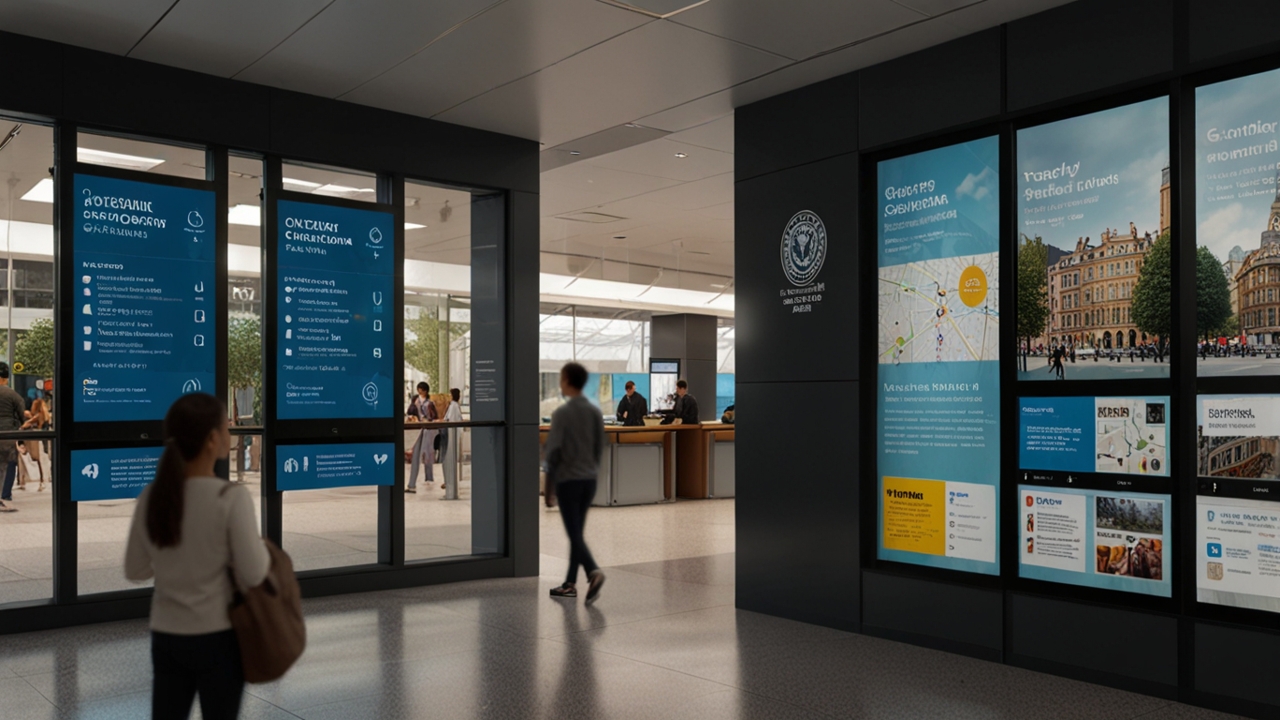
Trust is a fundamental component of effective public safety communication, and digital bulletin boards help reinforce transparency between government institutions and the public. When information is clearly displayed, regularly updated, and easy to verify, citizens gain confidence in the accuracy and reliability of official messages.
Digital bulletin boards also allow governments to explain safety measures, policy changes, and emergency procedures in a straightforward manner. Providing context alongside alerts helps the public understand why certain actions are required, reducing frustration and misinformation. This clarity fosters cooperation and strengthens the relationship between authorities and the communities they serve.
Over time, consistent and responsible use of digital bulletin boards establishes them as trusted sources of information. Citizens learn to rely on these displays for guidance, especially during uncertain situations. As a result, digital bulletin boards become essential infrastructure for public safety awareness, supporting informed, resilient, and well-prepared communities.
RELATED POSTS