
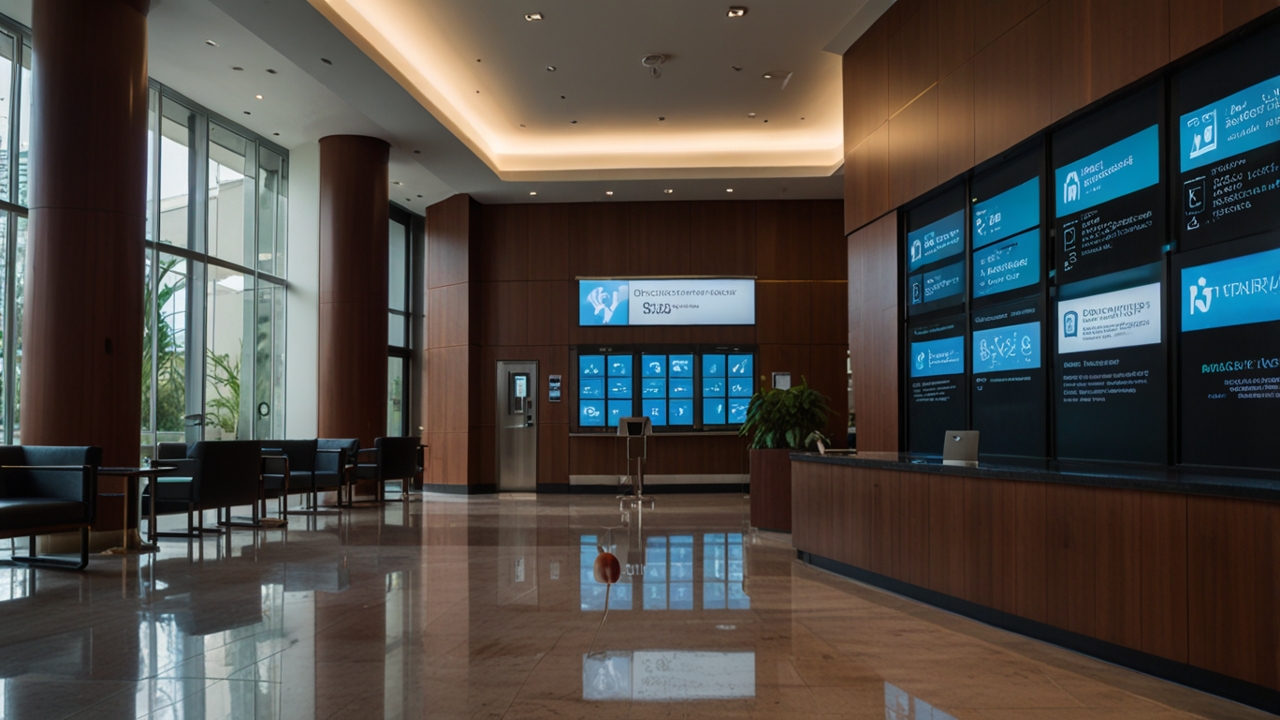
Lobby digital boards have become a central pillar in modern residential building security systems. These interactive displays provide residents, building managers, and security personnel with real-time visibility of what is happening inside the property. By presenting live camera feeds, entry logs, emergency messages, and security announcements, these boards act as a constant visual checkpoint that strengthens awareness and response time. Unlike traditional paper notices or static signage, digital boards can be instantly updated, ensuring that security information is always accurate and up to date.
The presence of a digital board also changes behavior inside the lobby. When residents and visitors see real-time security displays, it reinforces the seriousness of the building’s safety standards. This visual deterrent can significantly reduce unauthorized behavior, tailgating, and suspicious movement. People become more conscious of access rules, visitor protocols, and the importance of following security guidelines when these reminders are displayed in a prominent and professional manner.
From a management standpoint, these systems centralize communication and monitoring. Instead of relying on multiple platforms or manual processes, data can be streamlined onto a single digital interface. This simplifies daily monitoring tasks, improves incident documentation, and ensures that critical alerts can be broadcasted instantly throughout the building. Over time, this level of visibility builds trust among residents and creates a stronger sense of shared security responsibility.
Improving Visitor Access Control Through Smart Displays
Smart digital boards dramatically improve how visitor access is managed in residential buildings. These systems allow guests to register digitally, view building rules, and receive real-time instructions before gaining access. This reduces human error and eliminates outdated guest logbooks that are often incomplete or illegible. By automating the first point of contact, buildings gain a defensible record of who entered, when they arrived, and how long they stayed.
Digital visitor boards also integrate seamlessly with access control technologies such as keycards, PIN systems, and facial recognition. When combined, these tools create multiple layers of security that cannot be easily bypassed. For example, a visitor may be required to register, receive a temporary QR code, and use it at a turnstile or access panel. This layered system ensures that entry is granted only to authorized individuals, limiting opportunities for intrusion or misuse.
Beyond security, the experience becomes more professional and organized. Residents feel confident knowing their building does not rely on outdated paper systems, while guests experience a smoother and more guided process. This balance of strong security and convenient usability is essential in high-density residential buildings where traffic flow must remain efficient without sacrificing safety standards.
Real-Time Emergency Communication Inside Residential Lobbies
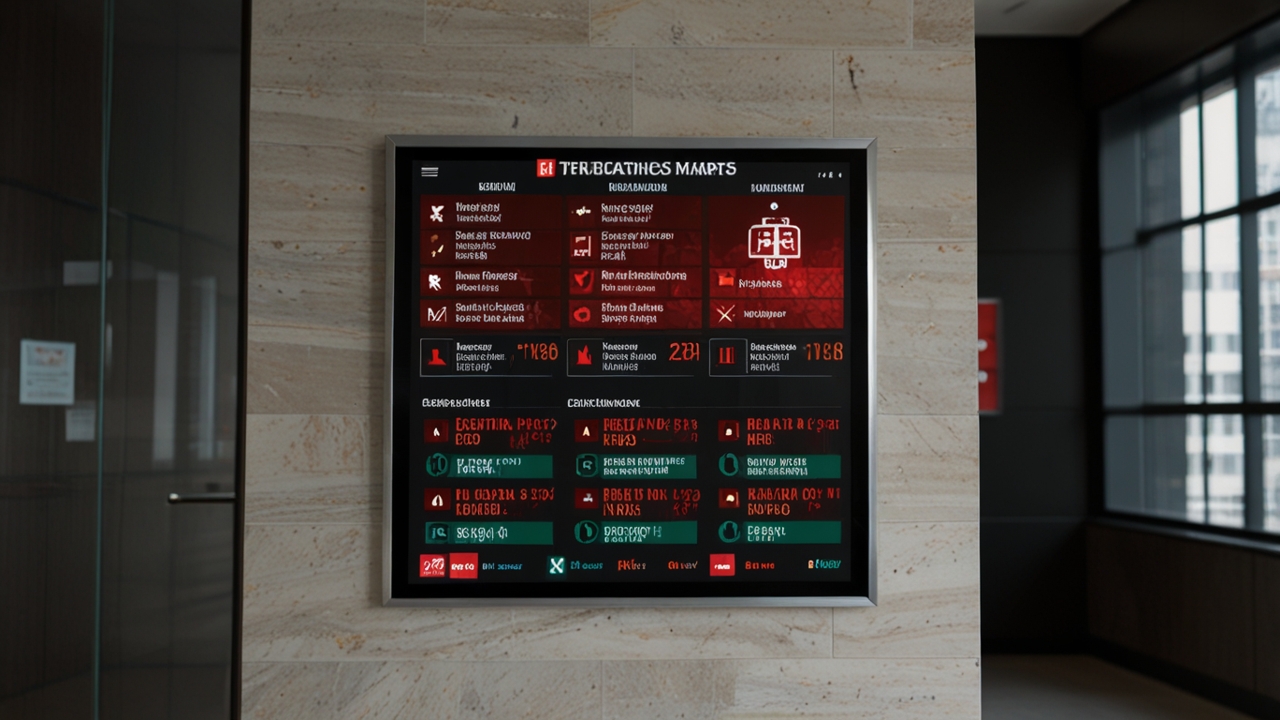
During emergencies, time-sensitive information can save lives, and lobby digital boards play a critical role in rapid communication. These displays can instantly broadcast alerts for fire, earthquakes, power outages, or security threats, ensuring that everyone in the building receives consistent information at the same time. Unlike traditional alarms that only provide sound, digital boards provide visual guidance such as evacuation routes and safety steps, which are vital in high-stress situations.
Visual emergency instructions reduce confusion and panic. When individuals can see clear directions on a large digital display, they are more likely to follow correct procedures. This is especially important for visitors who may be unfamiliar with the building layout. Digital boards can show animated maps, directional arrows, and real-time updates, helping people move quickly and safely to exits without relying solely on verbal instructions or memory.
For building administrators, these systems offer centralized control during crises. Security teams can push targeted messages, lock or unlock access points remotely, and coordinate responses more effectively. This level of control ensures that emergency protocols are executed precisely, reducing risks and improving overall resilience during critical events.
Strengthening Resident Awareness Through Continuous Information Display
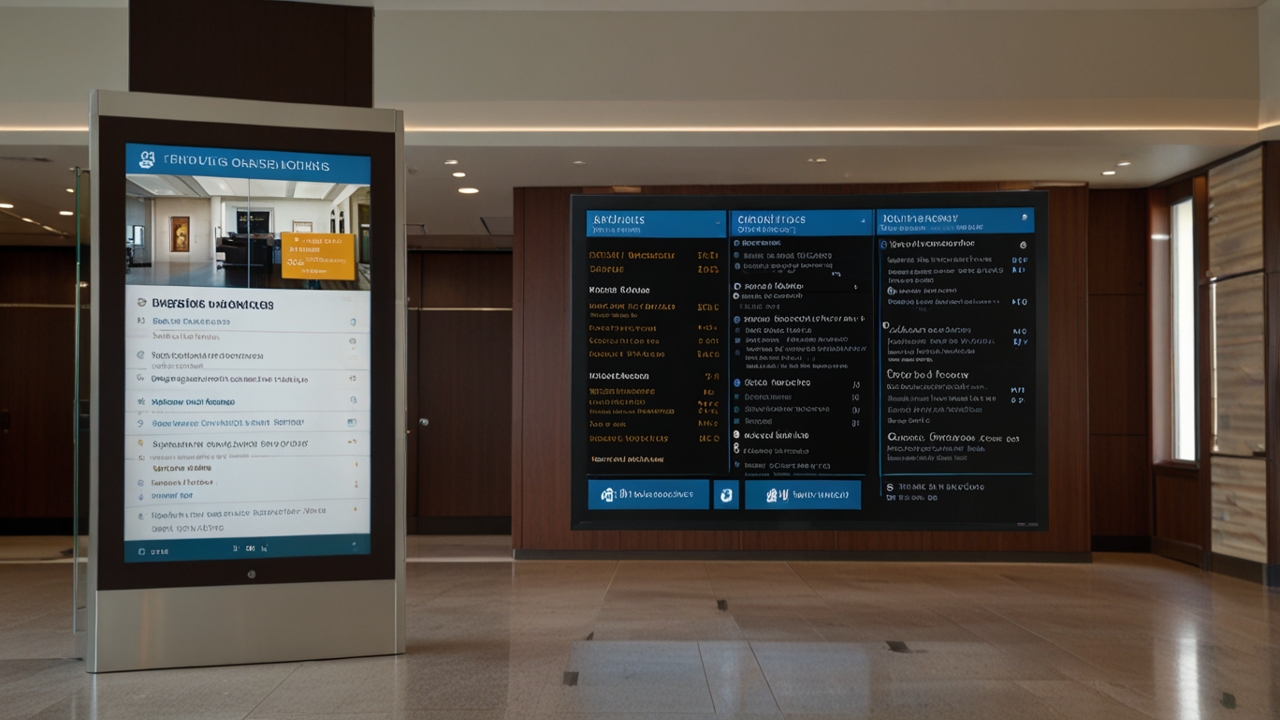
Consistent exposure to security information helps shape resident habits and awareness. Lobby digital boards can display reminders about door safety, package theft prevention, visitor verification, and reporting suspicious activity. Over time, these repeated messages help residents internalize best practices and become proactive participants in maintaining a secure environment.
The dynamic nature of digital boards allows content to evolve based on current risks or seasonal concerns. For example, during holiday seasons, messages can focus on package security and access monitoring. During maintenance periods, alerts can notify residents of temporary access changes. This adaptability ensures that communication remains relevant and impactful instead of becoming background noise that people ignore.
Community trust is also strengthened through transparency. When residents are visibly informed about security operations, updates, and performance, they feel more confident about the building’s management. This transparency fosters cooperation, improves compliance with security guidelines, and creates a shared sense of responsibility that enhances overall safety and living quality.
Future-Proofing Residential Security Infrastructure With Digital Boards
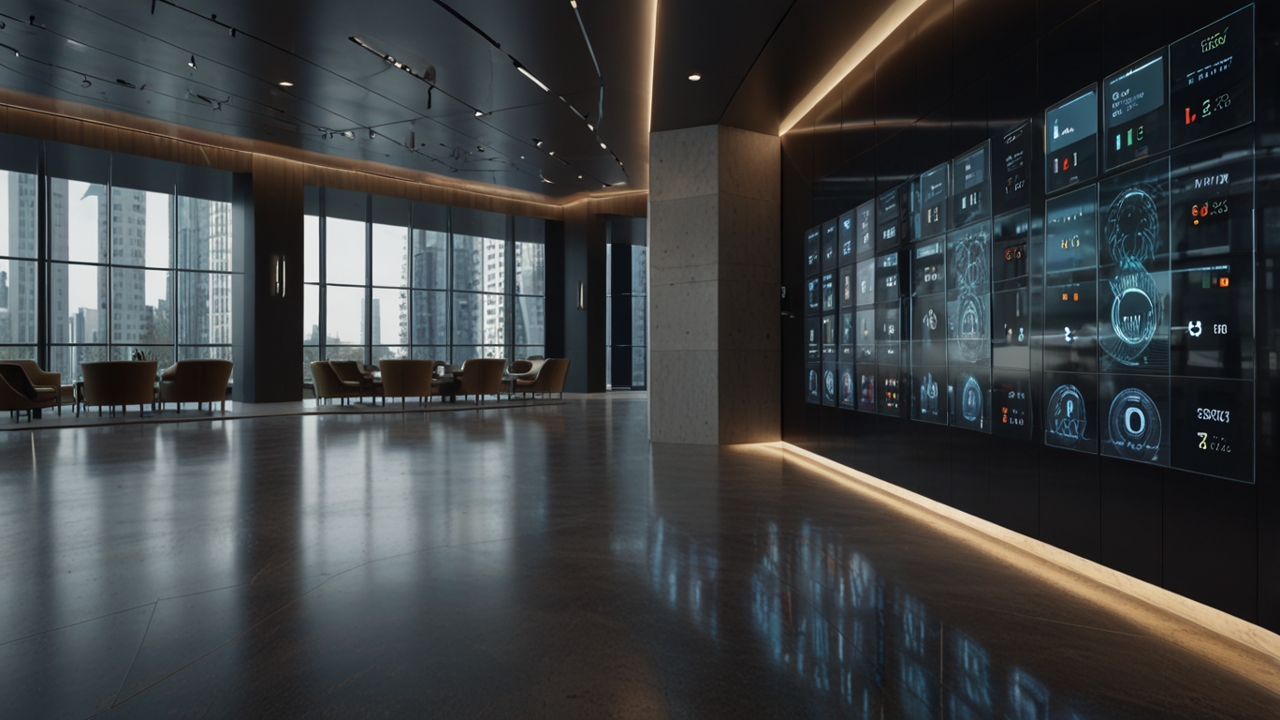
As technology continues to evolve, lobby digital boards provide a scalable foundation for future security enhancements. These systems can integrate with artificial intelligence, smart cameras, and predictive analytics to detect unusual behavior patterns and trigger alerts automatically. This proactive capability moves building security from a reactive model to a preventative one, significantly reducing potential risks before they escalate.
Cloud-based connectivity allows building managers to update content, monitor systems, and manage security protocols remotely. This is especially valuable for large residential complexes or property management companies overseeing multiple locations. Centralized control ensures consistency in security messaging while allowing flexible customization for individual buildings or unique risk profiles.
Investing in digital lobby boards is not just about present-day safety; it is a strategic step toward long-term infrastructure resilience. As threats become more sophisticated, residential buildings must rely on equally sophisticated tools. Digital boards provide a visible, adaptable, and highly effective security layer that supports modern living while protecting residents, property, and reputation.
RELATED POSTS