
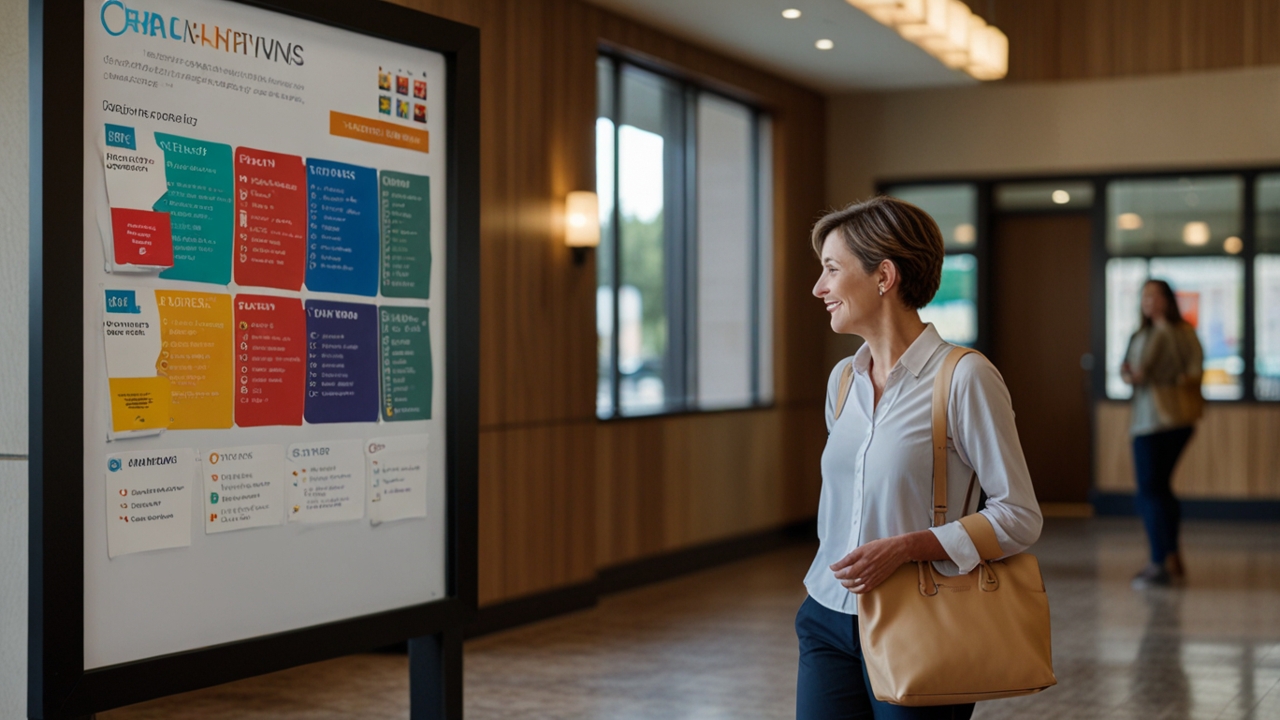
Promoting events within residential communities requires a deep appreciation of how groups of people interact in shared living environments. Unlike commercial spaces or public venues, residential areas often rely on trust, familiarity, and the personal comfort of residents to encourage participation. To ensure event promotions are effective, organizers must first observe how community members communicate, socialize, and gather. Understanding these natural communication channels allows promotions to feel more organic rather than forced, encouraging residents to view events as beneficial additions to their home life rather than interruptions. When promotional messaging aligns with the established rhythm of the community, residents are more likely to engage and participate willingly.
Another key component of understanding community dynamics is recognizing the diversity of residents’ backgrounds, work schedules, and interests. Some residents may be families with children seeking recreational activities, while others may be young professionals looking for networking opportunities or quiet leisure events. This range of lifestyles means that a one-size-fits-all promotional approach rarely works. Instead, organizers should take the time to conduct informal surveys, engage in small focus-group conversations, or review community feedback from past events. When promotional messaging reflects what people want rather than what planners assume they want, engagement levels consistently rise. Tailored promotions communicate respect for the unique culture of the community, leading to stronger participation and satisfaction.
In addition, promoting events in residential neighborhoods benefits from consistency and reliability. Residents are more likely to join activities when events are promoted through familiar channels such as lobby bulletin boards, resident mobile apps, community Facebook groups, or regular newsletters. Repeated exposure to announcements that remain visually cohesive helps build recognition and anticipation. Trust forms when residents know where to find event information and that the details provided are always accurate. Establishing this dependable communication foundation is critical because it transforms event promotion from occasional announcements into an integrated part of community life.
Using Digital Bulletin Boards for Seamless Event Announcements
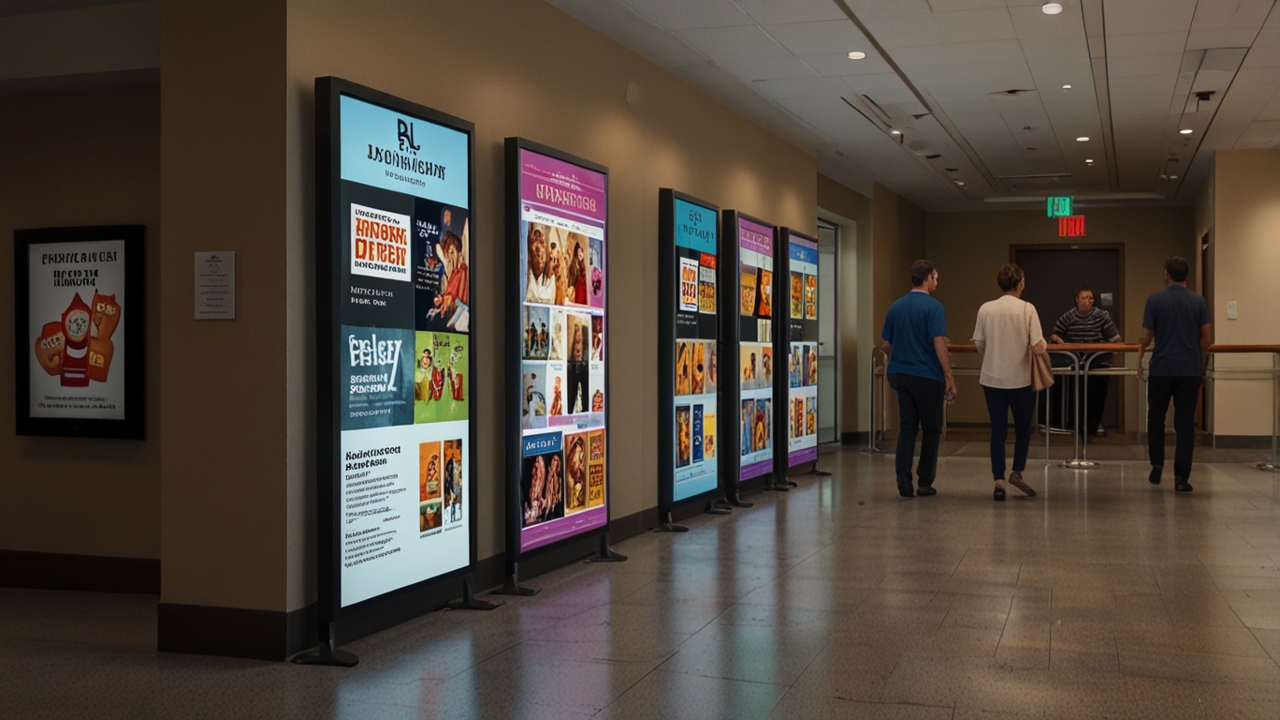
Digital bulletin boards have become increasingly popular in residential communities due to their modern appearance, easy update capabilities, and strong visual impact. They allow management teams to instantly share event details without the hassle of printing materials or manually distributing them. Digital displays placed in high-traffic areas, such as entrances, mail rooms, or elevators, naturally capture the attention of residents multiple times a day. This continuous, unobtrusive visibility ensures that event announcements circulate widely without requiring residents to seek out information proactively. The result is a smoother, more seamless way of keeping the community informed.
Furthermore, digital bulletin boards allow flexibility in design and messaging. Event promotions can be visually enriched with photos, graphic templates, countdown timers, or short video clips. This visual dynamism helps event reminders stand out compared to static posters or text-only emails. Well-designed digital announcements also convey professionalism and effort, which boosts resident confidence in the event and its value. When residents perceive an event as thoughtfully planned and well-presented, they are more inclined to attend and encourage others to join. This form of visual storytelling adds excitement and anticipation to community events.
In addition, using digital bulletin boards simplifies the communication workflow for property managers and administrators. Event information can be updated instantly, ensuring accuracy even if event times, venues, or hosts change. Instead of repeatedly printing and replacing posters, staff can modify content with just a few clicks. This efficiency reduces labor costs and minimizes waste while maintaining high communication standards. The ability to schedule content in advance also helps administrators plan announcements weeks ahead, ensuring consistent promotion and better attendance.
Leveraging Social Platforms and Resident Messaging Apps
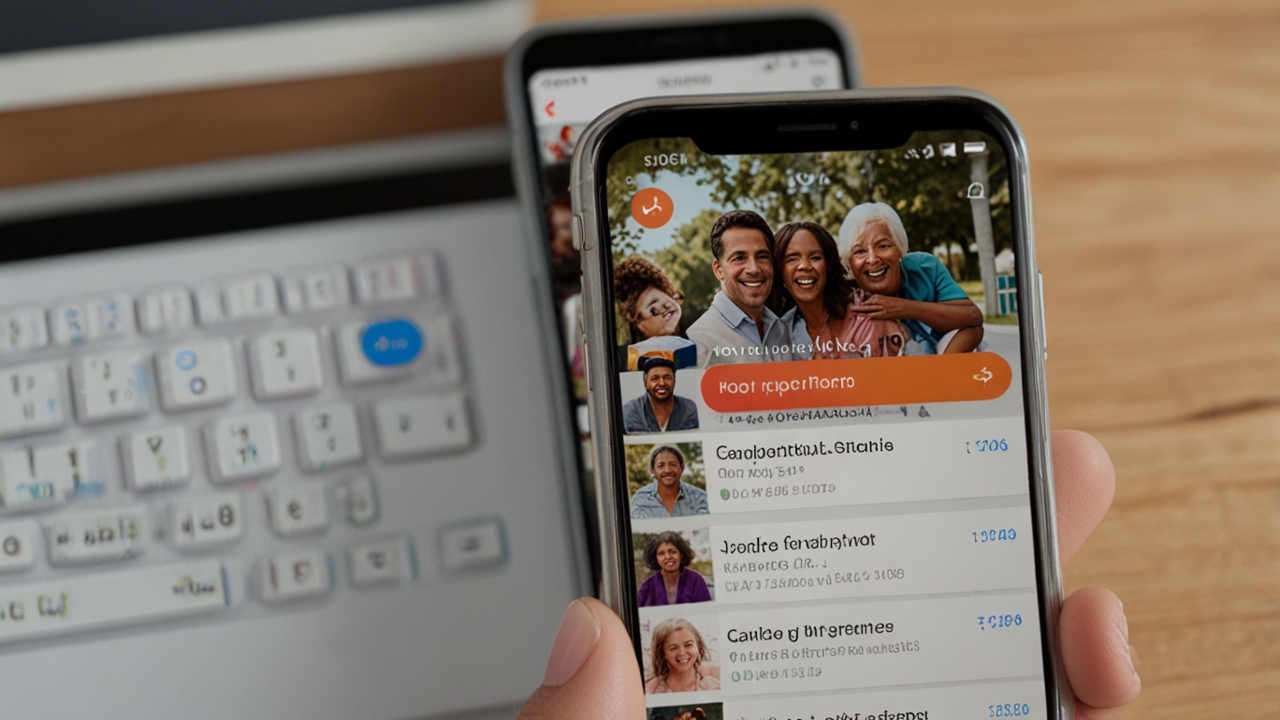
Social media platforms and resident messaging apps have become essential tools in promoting community events due to their ability to reach people instantly and directly. Private community groups on platforms like Facebook, WhatsApp, Telegram, or proprietary resident apps allow administrators to share announcements, registration links, reminders, and updates in real time. The convenience of receiving event details directly on one’s phone significantly increases the likelihood that residents will see and remember the promotion. This digital convenience integrates event messaging into the natural flow of residents’ daily communication habits.
Equally important is the sense of social proof that emerges when residents interact with event posts. When people comment, react, or reply to invitations, they signal interest that others may feel encouraged to follow. This creates a ripple effect where events begin to feel socially endorsed by the community rather than simply instructed by management. Encouraging residents to share photos from past events or post positive experiences also builds authentic community excitement and trust. These platforms effectively amplify word-of-mouth promotion, which has always been one of the strongest drivers of event participation.
Messaging apps also allow for interactive features such as polls, sign-up forms, or quick feedback opportunities. This interactivity enables organizers to tailor event details in response to resident needs, fostering inclusivity and ownership. When residents feel that their opinions shape community activities, participation increases naturally. Social platforms, therefore, play a dual role: promoting events and cultivating a sense of belonging.
Encouraging Resident Involvement and Volunteer Participation
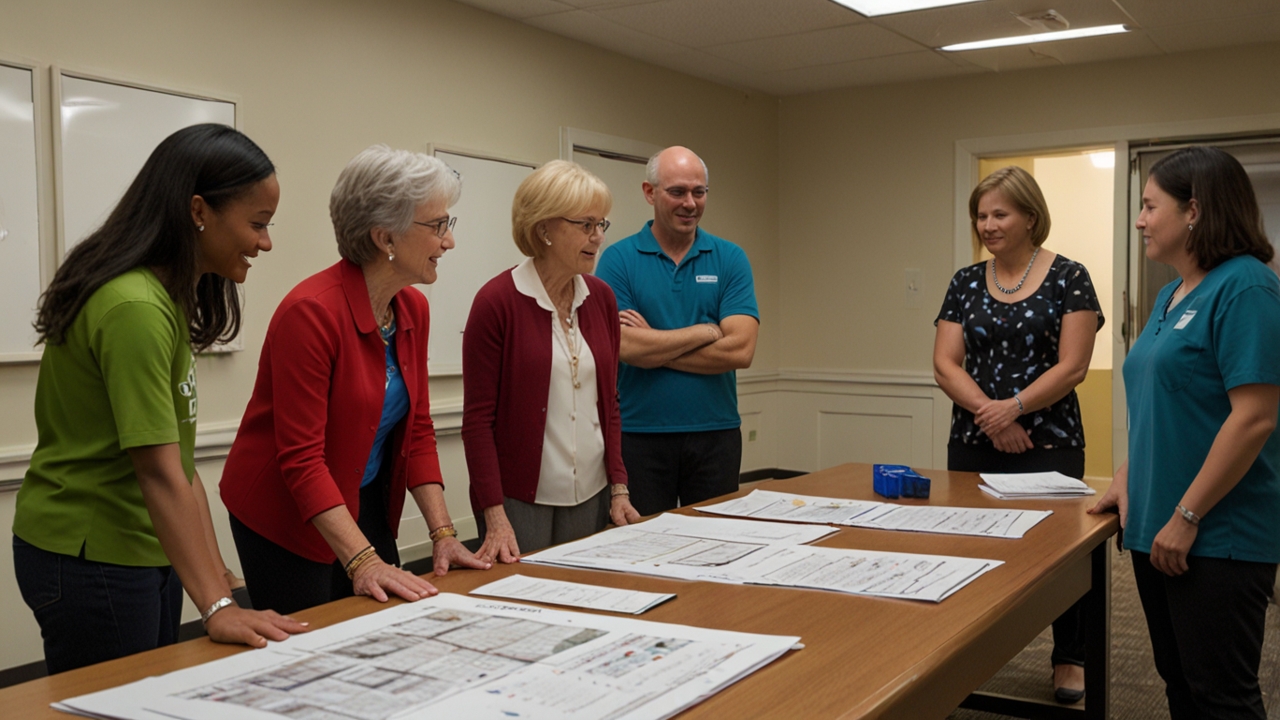
One of the most effective ways to promote events in residential communities is by encouraging residents to take active roles in planning and organizing. When residents are part of the creation process, they become natural advocates, spreading awareness and enthusiasm throughout their networks. This sense of ownership transforms events from administrative initiatives into shared community experiences. Residents who volunteer or contribute ideas help ensure that events reflect actual community interests, increasing turnout and overall enjoyment.
To support resident involvement, organizers can create roles such as event assistants, activity coordinators, decoration helpers, or hospitality volunteers. Offering small incentives like recognition during the event, participation certificates, or simple tokens of appreciation fosters motivation and pride. When volunteering is celebrated and visible, more residents become inspired to join. This improves community cohesion because residents start working together toward shared goals.
Involving residents also generates long-term benefits. Active participation helps build friendships, improves communication among neighbors, and reduces social barriers. Events become less about attendance and more about connection. The more familiar residents become with one another, the more likely they are to continue participating in future activities. This creates a sustainable cycle of engagement, where events become anticipated moments in community life.
Measuring Success and Improving Future Event Promotions
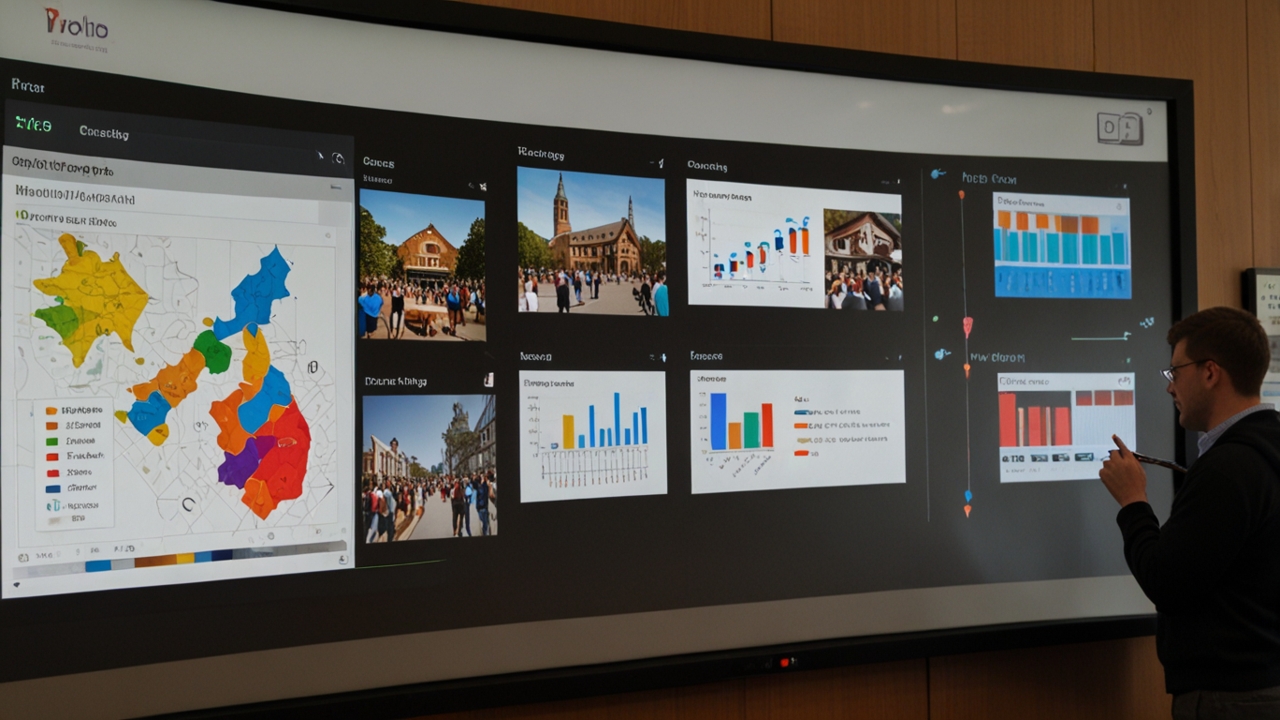
Evaluating the success of community events is essential to improving future promotional strategies. Attendance numbers, participant feedback, and post-event engagement provide valuable data that reveal what worked well and what could be refined. Surveys distributed through digital bulletin boards or messaging apps can gather insights efficiently. Understanding which promotional channels gained the most attention helps planners allocate resources more effectively for upcoming events.
Additionally, documenting events with photos, videos, and short write-ups creates a valuable archive of community activity. These materials can be used to promote future events, demonstrating to residents what they can expect. Visual storytelling reinforces the benefits of participation, making future promotions more compelling. Publishing highlights in newsletters or community platforms helps maintain momentum and reminds residents of positive shared experiences.
Ultimately, refining event promotion in residential communities is an ongoing process. Each event offers insights into community interests, preferred communication methods, and evolving dynamics. By consistently reviewing and adapting strategies, organizers can create a thriving, engaged, and connected community environment where events are anticipated and celebrated.
RELATED POSTS