
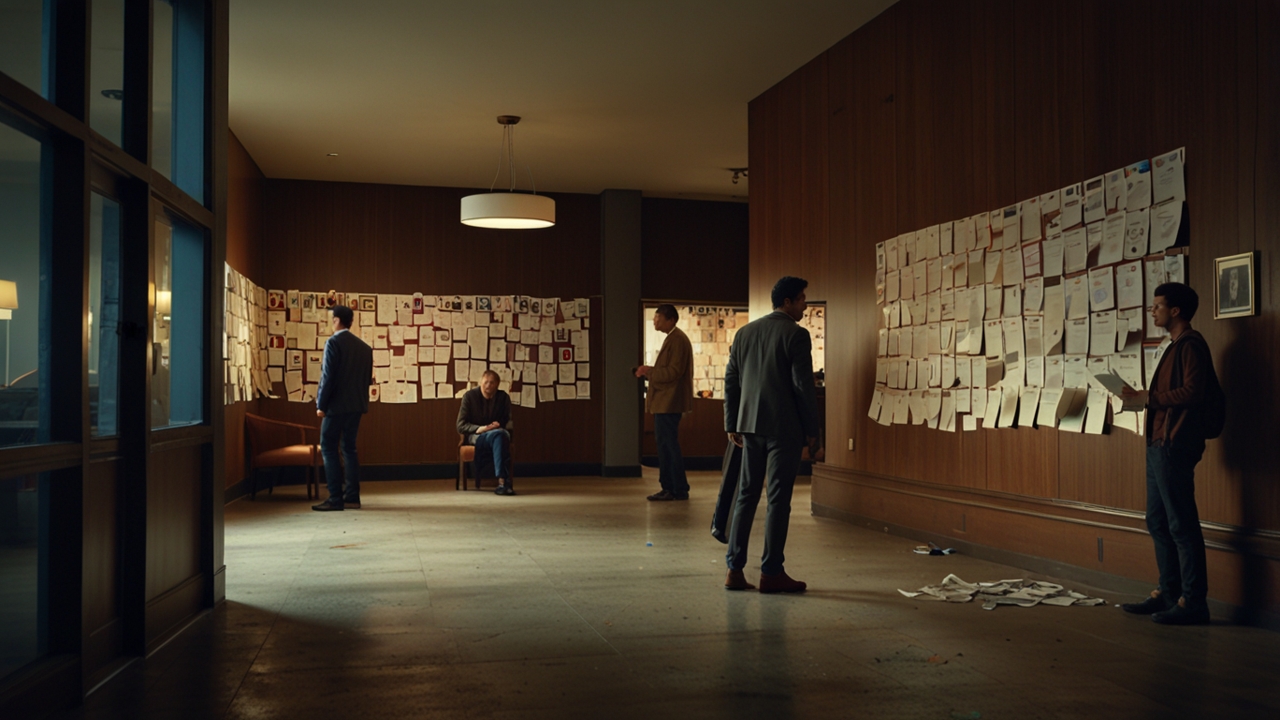
Apartment communities today are larger, more dynamic, and more diverse than ever, which makes communication increasingly difficult for property managers and building administrators. Traditional methods such as printed notices on bulletin boards, paper flyers slipped under doors, or even email blasts often fail to reach residents effectively. Many tenants simply overlook physical notices due to busy schedules, while others ignore emails that get buried in crowded inboxes. This results in important updates—such as maintenance schedules, safety advisories, or community events—being missed entirely, creating confusion and dissatisfaction among residents.
Another significant issue is the inconsistency of communication channels. Some residents prefer digital communication, while others rely on physical cues within shared spaces. When communication strategies are fragmented, it becomes nearly impossible to ensure that every resident receives timely and accurate information. For example, a last-minute water shutdown notice may reach only a fraction of tenants, leading to frustration and complaints that could have been avoided with a more centralized communication system.
In addition, the operational burden on property managers increases when announcements are repeatedly missed. Staff often need to respond to the same questions multiple times, clarify misunderstandings, and handle complaints that stem from communication gaps. Over time, this inefficiency not only affects productivity but also damages the overall resident experience, making it clear that a more reliable and modern communication solution is needed in residential environments.
How Digital Displays Transform Resident Communication

Digital displays offer a powerful alternative to traditional communication methods by delivering real-time, visually engaging information in high-traffic areas within apartment communities. These screens can be installed in lobbies, elevators, hallways, and common areas, ensuring that residents encounter important announcements as part of their daily routines. Unlike static paper notices, digital displays can rotate multiple messages, highlight urgent updates, and use dynamic visuals to capture attention effectively.
One of the key advantages of digital displays is their ability to centralize communication. Property managers can update announcements instantly from a single platform, ensuring consistency across all screens in the building. Whether it is a scheduled maintenance notice, a policy update, or a community event invitation, the message is delivered uniformly and in real time. This eliminates delays and reduces the risk of outdated or conflicting information being circulated among residents.
Furthermore, digital displays enhance message retention by using visuals, animations, and clear formatting. Residents are more likely to notice and remember information presented on a bright, well-designed screen compared to a printed sheet of paper. This visual engagement plays a crucial role in reducing missed announcements, as it aligns with how people naturally consume information in a fast-paced, digital-first environment.
Strategic Placement of Digital Displays for Maximum Visibility

The effectiveness of digital displays depends heavily on their placement within the building. Installing screens in high-traffic areas ensures that residents naturally encounter important announcements without needing to seek them out. Locations such as elevator lobbies, mailrooms, entrance areas, and parking access points are ideal because they are part of residents’ daily routines, increasing the likelihood of repeated exposure to key messages.
Elevators, in particular, serve as highly effective communication zones. Residents typically spend a few seconds to a minute inside elevators, providing a captive audience for announcements displayed on screens. This makes it an excellent opportunity to highlight urgent notices, upcoming events, or reminders that require immediate attention. Similarly, placing displays near mailboxes ensures that residents view updates while performing routine tasks, reinforcing message visibility.
In addition to physical placement, the design and readability of content play an important role. Messages should be concise, easy to read, and visually structured to ensure quick comprehension. By combining strategic placement with thoughtful content design, apartment communities can significantly reduce the chances of missed announcements and ensure that residents stay informed at all times.
Improving Resident Engagement Through Dynamic Content
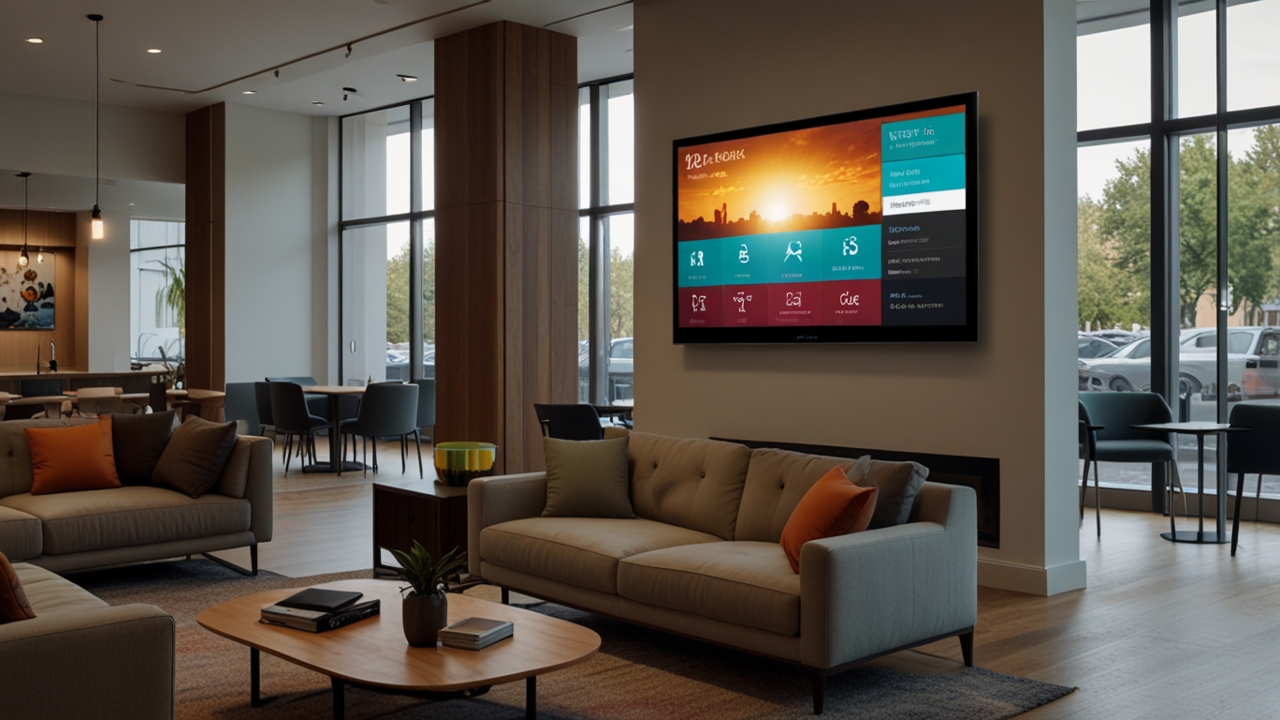
Digital displays not only improve communication but also foster greater resident engagement by presenting content in a more interactive and appealing way. Instead of static notices, property managers can use slideshows, short animations, and visually distinct layouts to make announcements more noticeable and engaging. This approach transforms routine updates into content that residents are more inclined to pay attention to and remember.
Engagement can be further enhanced by diversifying the type of content displayed. In addition to essential announcements, screens can feature community news, weather updates, local events, and even welcome messages for new residents. By offering a mix of informative and engaging content, digital displays become a valuable source of daily information rather than just a notice board, encouraging residents to look at them regularly.
Moreover, consistent exposure to well-designed digital content helps build a stronger sense of community. Residents feel more connected when they are aware of events, updates, and shared experiences within the building. This increased engagement not only reduces missed announcements but also contributes to a more positive living environment where communication is clear, consistent, and accessible to everyone.
Long-Term Benefits of Digital Displays for Property Management
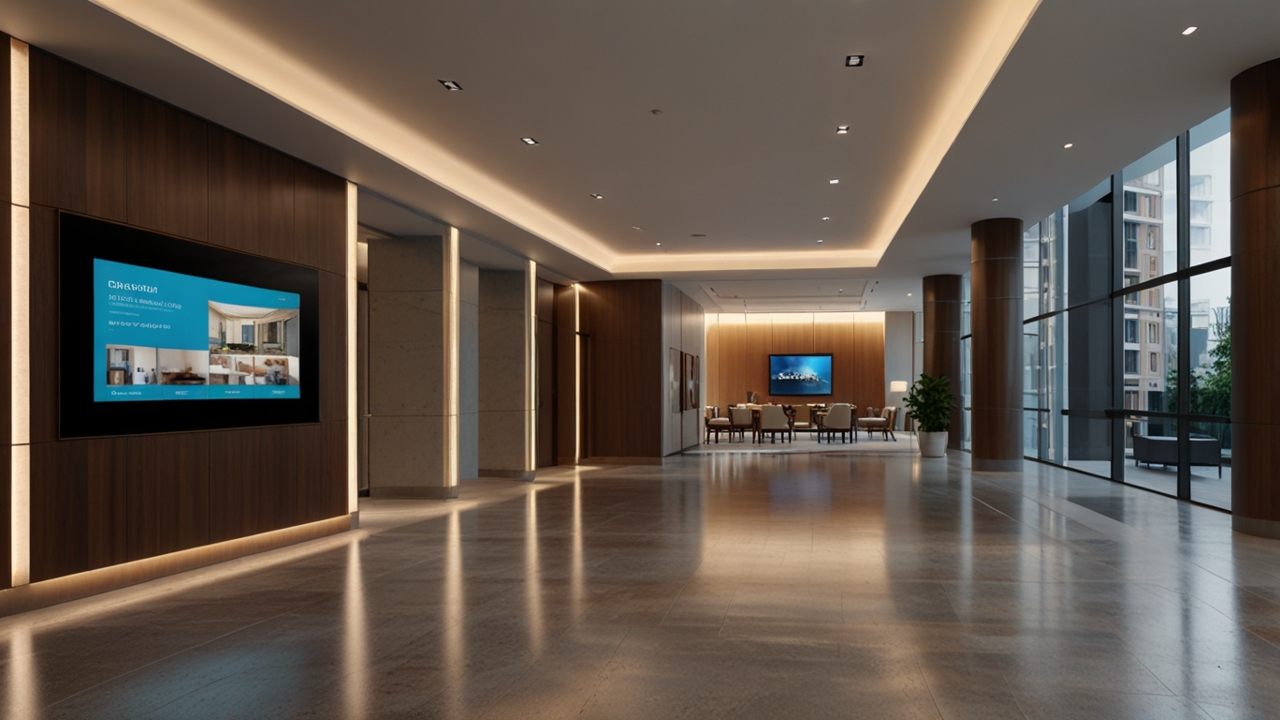
Implementing digital displays in apartment communities delivers long-term benefits that extend beyond reducing missed announcements. One of the most significant advantages is improved operational efficiency. Property managers can update information instantly without printing materials or physically posting notices, saving both time and resources. This streamlined process allows staff to focus on more critical tasks, improving overall productivity.
Another key benefit is cost savings over time. While there is an initial investment in digital display systems, the reduction in printing, labor, and administrative costs quickly offsets this expense. Additionally, digital displays are environmentally friendly, as they significantly reduce paper usage and waste, aligning with sustainable practices that are increasingly valued in modern residential developments.
Finally, digital displays contribute to a more professional and modern building image. Prospective tenants are more likely to view a property as well-managed and technologically advanced when they see organized, high-quality digital communication systems in place. This not only enhances tenant satisfaction but can also improve retention rates and attract new residents, making digital displays a strategic investment for the future of residential building management.
RELATED POSTS