
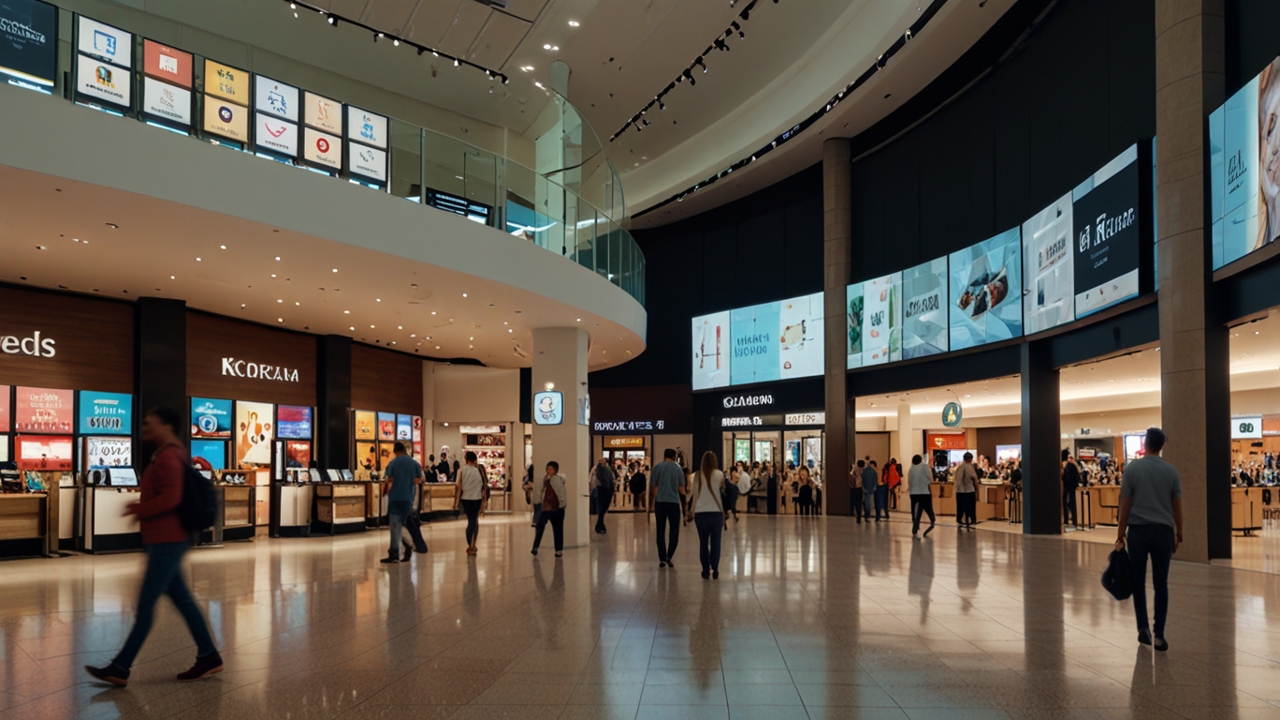
Retail loyalty begins with communication that customers immediately understand and trust. In shopping centers where dozens or even hundreds of brands compete for attention, clarity becomes a powerful differentiator. When signage, digital displays, announcements, and in-store messaging follow a consistent tone and structure, shoppers feel oriented rather than overwhelmed. Clear communication reduces friction, helps customers make faster decisions, and reinforces the perception that the retail environment is professionally managed and customer-focused.
Consistency in retail messaging also plays a crucial role in shaping brand memory. When shoppers repeatedly encounter familiar language, visuals, and messaging styles across different touchpoints—entrance displays, directory boards, promotional screens, and in-store notices—it strengthens recognition and recall. Over time, this repetition builds emotional comfort, making customers more likely to return because the environment feels familiar and dependable. Loyalty grows not only from good products, but from the feeling that the shopping experience is predictable and well-organized.
Beyond aesthetics, consistent messaging supports operational efficiency. Retail staff spend less time answering basic directional or informational questions when communication is clear and uniform. Shoppers move through spaces with confidence, promotions are understood without explanation, and policies such as returns or event schedules are easily recognized. This smooth flow reinforces trust in the shopping center as a whole, encouraging customers to stay longer, explore more stores, and develop habitual shopping patterns.
Using Digital Displays to Create Meaningful Customer Engagement

Digital displays have transformed retail communication from static information into dynamic storytelling. Instead of passively listing promotions or directions, screens can now showcase motion graphics, seasonal campaigns, and interactive content that captures attention. When used strategically, digital displays engage customers emotionally, drawing them into the retail environment rather than simply guiding them through it. This emotional engagement is a key driver of loyalty, as shoppers remember experiences more vividly than advertisements.
Effective digital communication adapts to context and timing. Morning shoppers may respond better to calm visuals and practical messaging, while evening or weekend visitors may engage more with vibrant promotions and entertainment-driven content. By tailoring digital displays to foot traffic patterns and shopper behavior, retail centers can communicate relevance rather than noise. Customers feel that the messaging is designed for them, not broadcast at them, which strengthens trust and connection.
Digital displays also allow retail centers to support tenants more effectively. Featuring store highlights, limited-time offers, or upcoming events helps individual brands gain visibility while reinforcing the shopping center as a curated destination. When shoppers perceive that a mall actively promotes its stores and experiences, they are more likely to explore beyond their usual stops. This sense of discovery contributes to longer visits, increased spending, and a deeper emotional bond with the retail space.
Personalizing Retail Communication to Strengthen Emotional Connections

Personalization is no longer limited to online shopping; it has become a critical element of physical retail communication. When messaging reflects shopper preferences, behaviors, or local context, it transforms generic information into meaningful interaction. Personalized greetings, location-based promotions, and event announcements tailored to specific audiences make customers feel recognized rather than anonymous. This recognition fosters emotional loyalty, which is more enduring than transactional satisfaction.
Retail centers that personalize communication also demonstrate attentiveness. Highlighting family-friendly events during school holidays, promoting exclusive offers for frequent visitors, or adjusting messaging based on seasonal trends shows that the shopping environment is responsive. Shoppers notice when communication aligns with their needs and lifestyles, reinforcing the perception that the retail center values their presence. This perceived care becomes a strong motivator for repeat visits.
From a strategic perspective, personalized communication enhances customer confidence. Shoppers are more likely to trust recommendations and promotions that feel relevant, reducing decision fatigue. Instead of being overwhelmed by choices, customers are guided toward experiences that match their interests. Over time, this creates a positive feedback loop: shoppers feel understood, engage more deeply, and associate the retail center with convenience, relevance, and enjoyment.
Enhancing In-Store Experience Through Informative Communication

Informative communication is a foundation of positive retail experiences. Shoppers expect to easily find store locations, amenities, promotions, and event information without confusion. When retail communication prioritizes usefulness, it empowers customers to navigate spaces independently and efficiently. This sense of control enhances comfort and satisfaction, both of which are essential for building long-term loyalty.
Clear in-store communication also reduces stress during busy periods. During sales events, holidays, or peak shopping hours, well-placed signage and digital updates help manage crowd flow and expectations. Informative messaging about wait times, store capacity, or alternative routes prevents frustration and maintains a sense of order. Customers who feel respected and informed are more forgiving of delays and more likely to return in the future.
Additionally, informative communication supports inclusivity. Multilingual signage, clear icons, and accessible displays ensure that a wider range of shoppers can comfortably engage with the retail environment. When customers from different backgrounds and abilities feel welcomed and considered, the shopping center builds a reputation for inclusiveness and care. This reputation strengthens loyalty not only among individuals, but across entire communities.
Turning Retail Communication into a Long-Term Loyalty Strategy
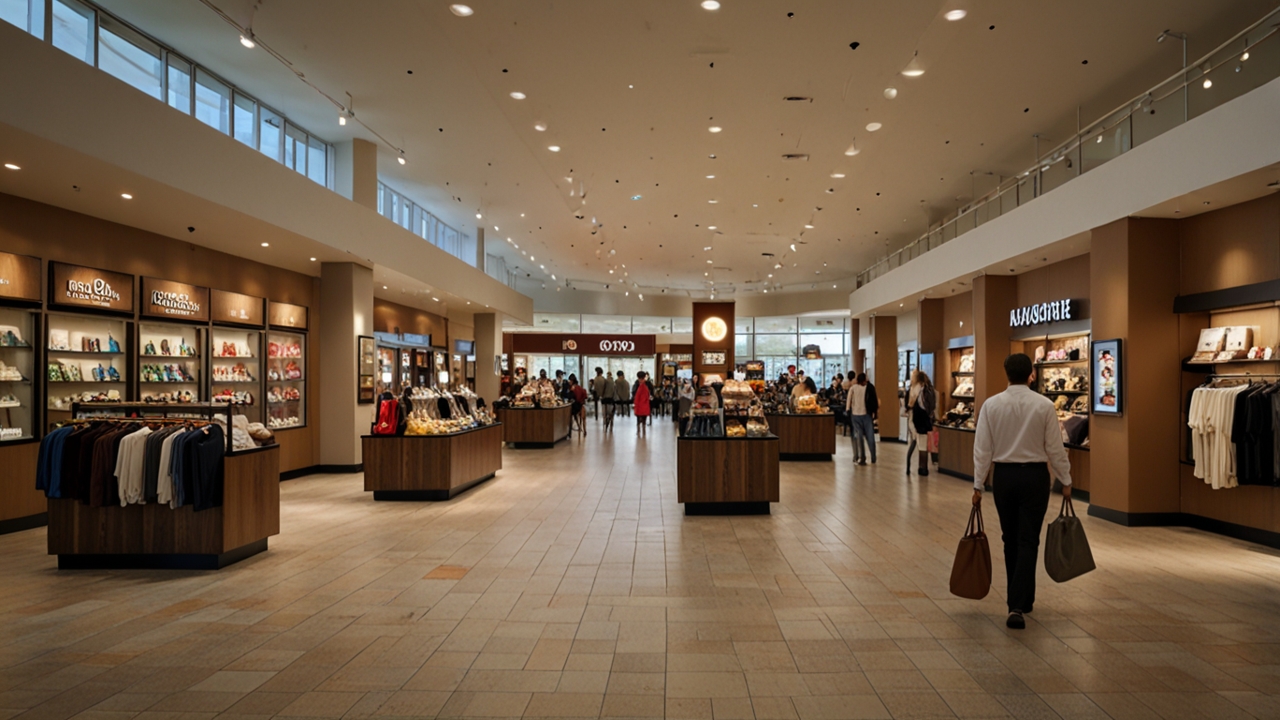
Retail communication should not be treated as a series of isolated messages, but as a long-term relationship-building strategy. Every sign, screen, and announcement contributes to how shoppers perceive the retail environment. When communication is thoughtfully planned and consistently executed, it reinforces the shopping center’s identity and values. Over time, this cohesion builds trust, familiarity, and emotional attachment.
A loyalty-driven communication strategy also aligns messaging with broader customer experience goals. Promotions are not just about discounts, but about storytelling and shared moments. Event announcements become invitations rather than advertisements. Even operational messages, such as opening hours or safety notices, can reinforce professionalism and care when presented thoughtfully. This holistic approach ensures that every interaction adds value rather than clutter.
Ultimately, loyalty is built when shoppers feel confident choosing a retail destination repeatedly. Effective communication reassures them that their time will be well spent, their needs anticipated, and their experience enjoyable. By investing in engaging, clear, and customer-focused communication, retail centers transform casual visitors into loyal patrons who return not only for products, but for the experience itself.
RELATED POSTS