

Digital displays have become essential communication tools in retail and shopping centers. Instead of static posters and traditional printed advertisements, retailers now have the ability to change promotions instantly based on time of day, customer behavior, or seasonal patterns. This creates an environment where visuals can evolve alongside consumer interests, allowing brands to remain relevant, timely, and engaging. In high-traffic shopping malls where competition for attention is constant, dynamic visuals offered through digital screens create an advantage that static signage simply cannot match.
Retailers also appreciate the flexibility digital displays provide in coordinating messaging across multiple store locations. A brand with dozens of branches can push a unified marketing message within seconds, eliminating the cost and delays associated with printing materials or manually replacing posters. This improves consistency, reduces waste, and ensures campaigns reach the floor faster. For nationwide or international chains, digital displays support marketing alignment across regions while still allowing localization based on local preferences and inventory conditions.
Beyond advertising, digital screens serve informational and directional purposes that improve customer navigation and experience. They can guide visitors toward promotions, store areas, restrooms, exits, and service counters. They can display store hours, showcase new arrivals, and even highlight local events within the retail space. When used strategically, digital displays enhance the overall ambiance of a shopping center, encouraging shoppers to explore more, stay longer, and engage with content.
Real-Time Offers and Customer Engagement Strategies

Real-time offers displayed on digital screens allow retailers to adjust promotions instantly in response to demand, weather, time-based shopping behaviors, and even inventory levels. For example, if a store notices a high stock of a particular item, they can feature an exclusive limited-time discount on digital screens to encourage immediate purchases. This creates a sense of urgency and excitement that motivates impulse buying. When paired with clear calls-to-action, real-time displays become powerful motivators that influence buying decisions directly on the retail floor.
Shopping centers can also use real-time messaging to align promotions with shopper demographics at different times of day. Morning displays may highlight coffee and breakfast-related deals in café areas, while evening visitors may see promotions for dinner, personal care, or lifestyle products. This responsive approach makes content feel more relevant to the shopper’s current needs and state of mind. Relevance increases message retention, which translates to increased conversions and stronger customer satisfaction.
Another strong engagement strategy is integrating loyalty and rewards programs directly into digital signage. Displays can invite shoppers to scan QR codes to unlock discounts, join member programs, or access personalized deals. This bridges the gap between physical and digital shopping experiences, drawing customers into brand ecosystems where future remarketing becomes easier. The experience becomes not just transactional, but interactive and relationship-based.
Enhancing Shopping Center Experience With Interactive Displays

Interactive digital screens take engagement to the next level by allowing customers to participate directly in the experience rather than simply viewing content. Touch screen directories, virtual product try-ons, gamified promotions, and product customizers create a memorable shopping journey that increases visitor enjoyment. Features such as digital look-books or style guides allow customers to browse combinations and materials, making it easier to visualize how products fit into their lifestyle.
Interactive digital displays also help reduce pressure on staff resources. Instead of waiting for assistance, customers can use interactive kiosks to find product locations, request sizes, learn about return policies, or even check availability. This empowers customers to explore independently, improving satisfaction while lowering operational friction. Retailers benefit as employees can focus on providing high-value service rather than answering basic inquiries.
When interactive displays are strategically placed across a mall, they guide navigation and discovery. They encourage shoppers to explore areas they might otherwise overlook, increasing the visibility of smaller or newly opened stores. This can also improve overall visitor flow and reduce congestion in high-traffic zones. By encouraging movement and exploration, shopping centers create a more dynamic and balanced visitor experience.
Leveraging Data and Insights from Display Interactions
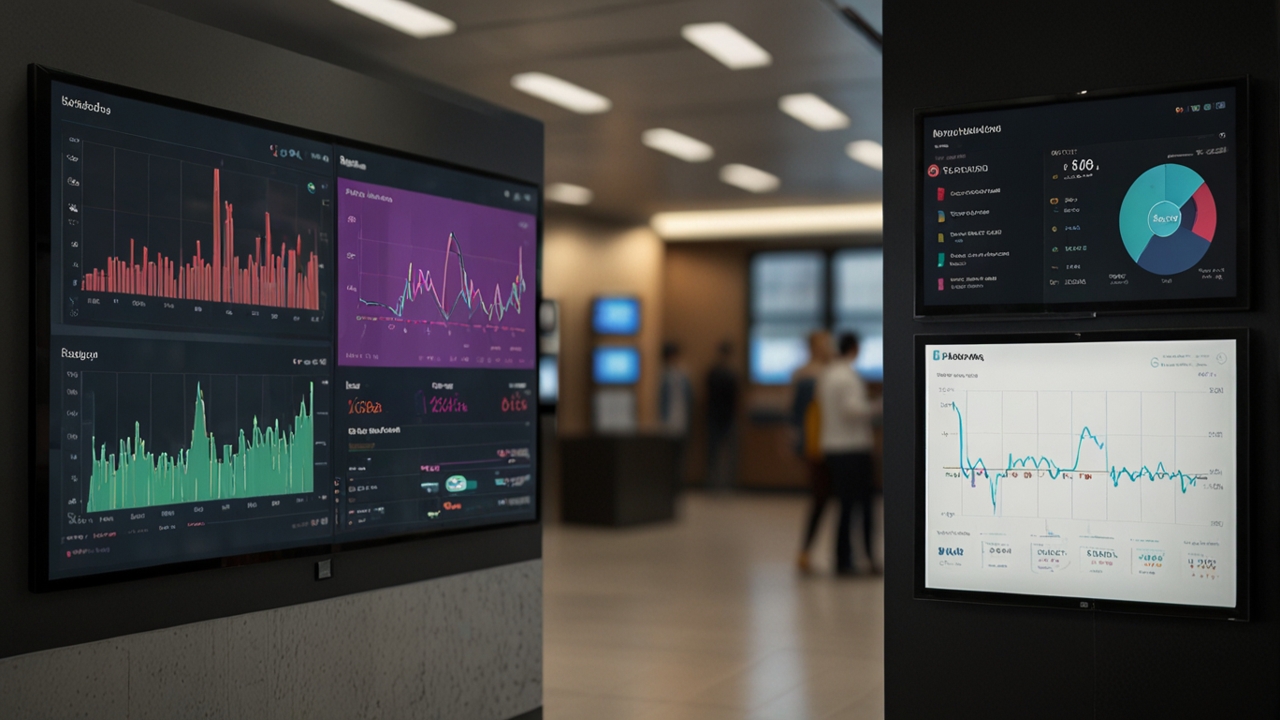
Digital signage platforms often include analytics capabilities that track how audiences engage with displayed content. Metrics such as dwell time, popular offers, and location-based engagement provide valuable insights for retailers. These insights help understand what messaging resonates most effectively, enabling ongoing optimization. This data-driven approach means content is not based on guesswork but on measured customer behavior, improving the precision of marketing decisions.
Retailers can also connect data from digital displays to other systems, such as loyalty apps or point-of-sale analytics. This allows correlation between displayed promotions and actual purchases. If a displayed offer drives a noticeable increase in sales, retailers know the messaging works and can apply similar strategies across locations. This closes the loop between marketing and performance, making promotional efforts more measurable and accountable.
Predictive analytics can enhance real-time displays even further. By analyzing visitor flow patterns, time-of-day trends, weather forecasts, or local events, the system can automatically deploy offers that match expected customer needs. For example, on a rainy day, the system may highlight discounts on umbrellas, warm beverages, or indoor activities. This level of automation makes digital displays adaptive and intelligent, offering smarter engagement with minimal manual effort.
Best Practices for Implementing Digital Displays in Retail Spaces

Placement is critical when incorporating digital displays in retail environments. Screens must be located where natural shopper attention converges, such as entranceways, checkout queues, escalator zones, and high-traffic intersections. Poor placement reduces visibility and engagement potential. Retail planners must consider line-of-sight, lighting conditions, and surrounding movement patterns to ensure displays are both noticeable and accessible.
Content design also plays a significant role in effectiveness. Messaging should be visually clear, free of clutter, and designed for quick comprehension. Retail environments are fast-paced, meaning shoppers often see screens only momentarily. Simple text, bold imagery, and direct value propositions ensure messages are understood in seconds. Frequent content refresh is also essential to prevent visual fatigue; repeating the same message continuously may cause customers to ignore the display.
Finally, retailers must ensure their display systems are easy to update and manage. Choosing a reliable digital signage platform with remote control functionality allows quick and efficient content adjustments. Staff training and scheduling plans should be developed to maintain screen content relevance at all times. When implemented intentionally, digital displays become a seamless and powerful part of the retail communication ecosystem.
RELATED POSTS