

Large shopping centers are complex environments that bring together retail stores, dining areas, entertainment zones, and service facilities under one roof. For visitors, especially first-time shoppers, navigating such spaces can quickly become overwhelming without clear and intuitive wayfinding systems. Effective wayfinding ensures that customers can move confidently through the mall, locate destinations efficiently, and enjoy a stress-free shopping experience. When navigation feels natural, visitors are more likely to explore additional areas and extend their time within the center.
Wayfinding goes beyond basic directional signs. It involves understanding shopper behavior, spatial layout, and visual communication principles. A well-designed system considers how people enter the building, how they naturally move through open spaces, and how visual cues guide decision-making at key intersections. By aligning signage placement with these movement patterns, shopping centers can minimize confusion and reduce reliance on staff for directions.
From a business perspective, strong wayfinding directly influences foot traffic distribution and tenant visibility. Stores located farther from main entrances or anchor tenants benefit significantly when navigation paths are clear and inviting. This balanced flow supports overall retail performance and creates a more cohesive shopping ecosystem where every tenant has the opportunity to be discovered.
Designing Intuitive Signage Systems for High-Traffic Areas
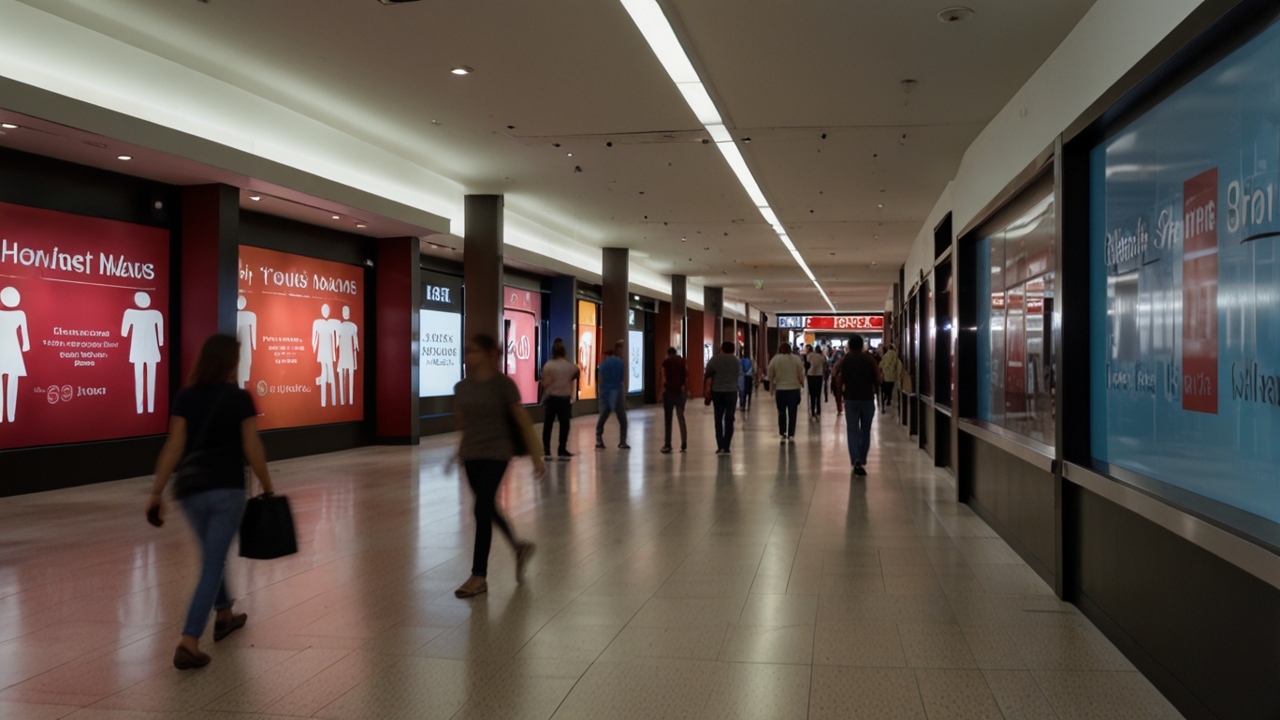
High-traffic areas such as main corridors, food courts, and central atriums demand signage that is instantly understandable. In these zones, shoppers are often multitasking, carrying bags, or moving quickly, which means signage must communicate information at a glance. Large fonts, high-contrast color combinations, and universally recognized symbols help ensure messages are processed quickly without causing visual strain.
Consistency plays a critical role in intuitive signage design. When fonts, colors, icons, and terminology remain uniform throughout the shopping center, visitors develop familiarity and trust in the system. This consistency reduces cognitive effort, allowing shoppers to focus on their experience rather than decoding different sign styles in each area. Clear hierarchies, such as primary directions followed by secondary details, further support rapid comprehension.
Placement is equally important as design. Signs must be positioned at natural decision points such as intersections, elevator lobbies, escalator landings, and entrances to major zones. Poorly placed signage, even if well designed, can fail to guide shoppers effectively. Strategic placement ensures information appears exactly when it is needed, reinforcing confidence and reducing unnecessary backtracking.
Using Zoning and Visual Landmarks to Improve Navigation

Zoning is a powerful wayfinding strategy that divides a large shopping center into recognizable sections. These zones can be based on retail categories, floor levels, or geographic areas within the mall. Assigning each zone a unique color, theme, or naming convention helps visitors mentally map the space, making navigation feel more manageable and organized.
Visual landmarks strengthen zoning by providing memorable reference points. Features such as large art installations, fountains, themed seating areas, or architectural elements act as anchors that shoppers can easily recall. When people associate destinations with landmarks rather than abstract directions, they navigate more confidently and experience less disorientation.
Landmarks also enhance emotional engagement with the space. A shopping center that integrates visually appealing and distinctive features becomes more than a collection of stores; it becomes a destination. These elements support wayfinding while also contributing to brand identity, social media appeal, and overall visitor satisfaction.
Integrating Digital Wayfinding Solutions for Modern Shoppers
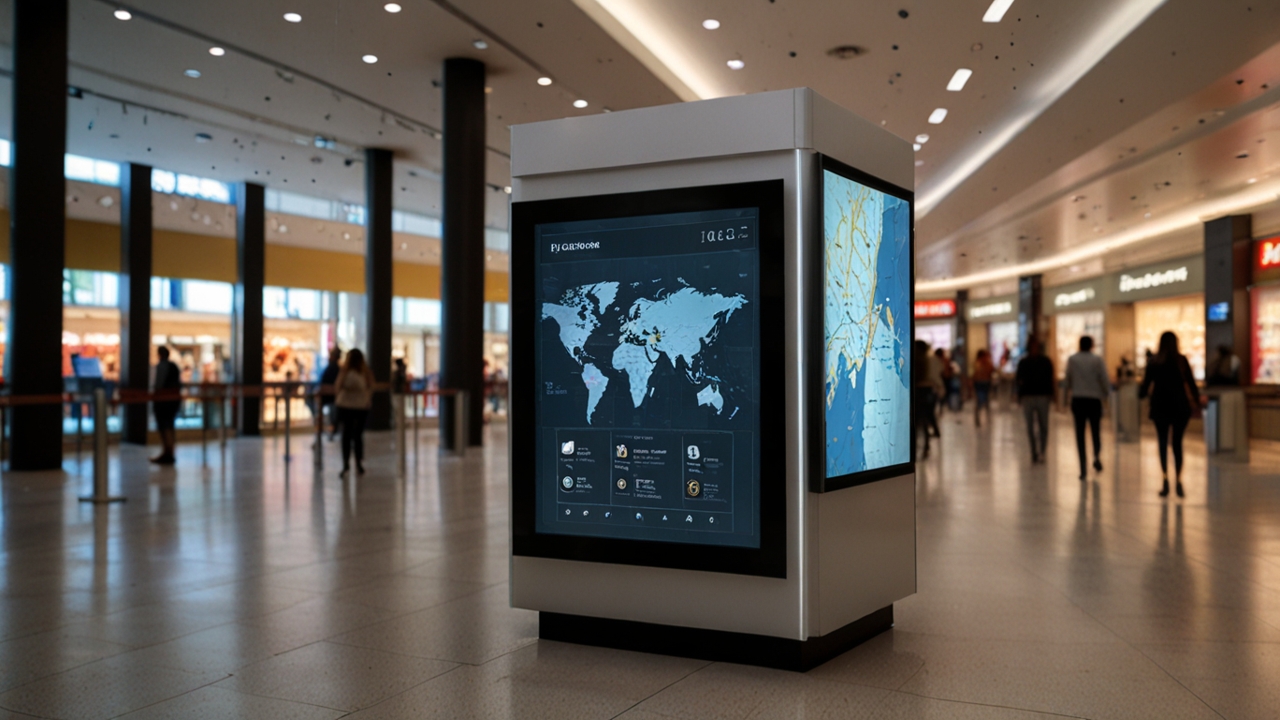
Digital wayfinding solutions bring flexibility and personalization to shopping center navigation. Interactive kiosks allow visitors to search for stores, restaurants, or amenities and receive step-by-step directions tailored to their current location. This real-time assistance is especially valuable in large or multi-level centers where static signage alone may not be sufficient.
Beyond kiosks, integration with mobile devices enhances convenience. QR codes, mobile-friendly maps, and location-based notifications enable shoppers to access navigation tools directly from their smartphones. This approach meets the expectations of digitally savvy visitors who prefer self-service solutions and seamless digital experiences.
Digital systems also provide operational advantages for shopping center management. Content can be updated instantly to reflect store relocations, temporary closures, or special events. Usage data from digital wayfinding platforms offers insights into visitor behavior, helping management optimize layouts, signage placement, and tenant positioning over time.
Ensuring Accessibility and Inclusivity in Wayfinding Design

Inclusive wayfinding ensures that all visitors, regardless of physical ability or language proficiency, can navigate the shopping center independently. This includes providing clear sightlines, readable text sizes, and symbols that transcend language barriers. Multilingual support in key areas further improves accessibility for international visitors and diverse communities.
Physical accessibility elements such as tactile floor indicators, braille signage, and audible directory features are essential for visitors with visual impairments. Elevators, ramps, and accessible restrooms must be clearly marked and easy to locate. When these features are seamlessly integrated into the overall wayfinding system, they benefit everyone, not just those with specific needs.
An inclusive approach reflects positively on the shopping center’s brand and values. Visitors who feel considered and supported are more likely to return and recommend the space to others. By prioritizing accessibility in wayfinding design, shopping centers create environments that are welcoming, functional, and respectful of all shoppers.
RELATED POSTS