

Digital boards have evolved into more than just display screens for price updates or promotional announcements. They are now integral components of a store’s branding strategy, helping create immersive environments that visually communicate what a brand stands for. When placed strategically, digital boards capture attention quickly, making it easier for retail brands to deliver impactful messaging and storytelling within seconds. Their dynamic nature allows content to shift depending on audience behavior, time of day, or marketing campaigns, providing a level of responsiveness traditional print signage cannot achieve.
Retail settings today are saturated with visual stimuli, and customers expect engaging experiences as part of their visit. Digital boards help retailers meet this expectation by offering adaptable content formats that can include motion graphics, product demonstrations, lifestyle clips, and social proof from real users. This flexibility allows brands to reinforce identity and personality visually, helping consumers form stronger emotional impressions even before interacting with products directly. The result is a more cohesive and memorable brand experience that aligns seamlessly with the overall store environment.
Furthermore, digital boards allow retailers to respond quickly to external market trends or internal performance metrics. Whether it’s highlighting best-selling products, emphasizing seasonal collections, or promoting loyalty programs, brands can adjust messaging instantly without printing costs or delays. As consumer expectations continue to shift toward real-time engagement, digital boards provide retailers with the agility needed to remain relevant and visible in a highly competitive market landscape.
Enhancing Customer Experience Through Visual Engagement

An engaging customer experience is a primary driver of brand loyalty, and digital boards play a crucial role in shaping how shoppers interact with retail environments. Unlike static imagery that remains unchanged, digital content can adapt to different moods, seasons, and marketing priorities, keeping the environment visually interesting. This prevents customer fatigue and encourages longer browsing times, which can directly influence purchasing behavior. Retailers strategically use visual storytelling to capture attention and build emotional resonance with their messaging.
Digital boards also help retailers guide customers through the store. They can highlight new product arrivals, direct customers to specific aisles or featured collections, and even showcase curated outfit suggestions in fashion stores. This level of guided browsing helps reduce confusion, enhances shopper confidence, and supports a smoother, more enjoyable shopping journey. When visual engagement aligns with customer expectations, the experience becomes more intuitive and satisfying.
Additionally, digital boards can support customer education by offering product tutorials, comparisons, or ingredient transparency for health or beauty products. This kind of informative engagement empowers customers to make well-informed decisions without needing constant staff assistance. It enhances trust, adds value, and strengthens the perception that the brand is knowledgeable and customer-centered in its approach.
Boosting Sales and Promotions with Dynamic Messaging

One of the most significant advantages of digital boards in retail is their ability to display promotional messaging dynamically. Instead of relying on printed posters that require time and resources to update, retailers can instantly switch content to promote flash sales, new collections, or limited-time offers. This flexibility allows stores to respond to real-time demand patterns, such as increasing visibility for items that are trending or need faster movement.
Promotions displayed on digital boards are more visually compelling because they can incorporate motion, bold typography, and real-time updates that capture customer attention faster than static signs. For instance, countdown timers for deals or daily highlight items create urgency and excitement. These visual strategies subtly influence purchasing decisions by reminding customers that opportunities are limited and worth immediate action.
Moreover, digital boards allow retailers to personalize promotional messaging. Depending on the time of day or target customer demographics, content can adjust to show different deals tailored to specific audiences. This level of personalization strengthens customer satisfaction and makes promotional campaigns more effective. The result is higher sales conversion, stronger customer engagement, and improved overall store performance.
Strengthening Brand Identity and Store Atmosphere
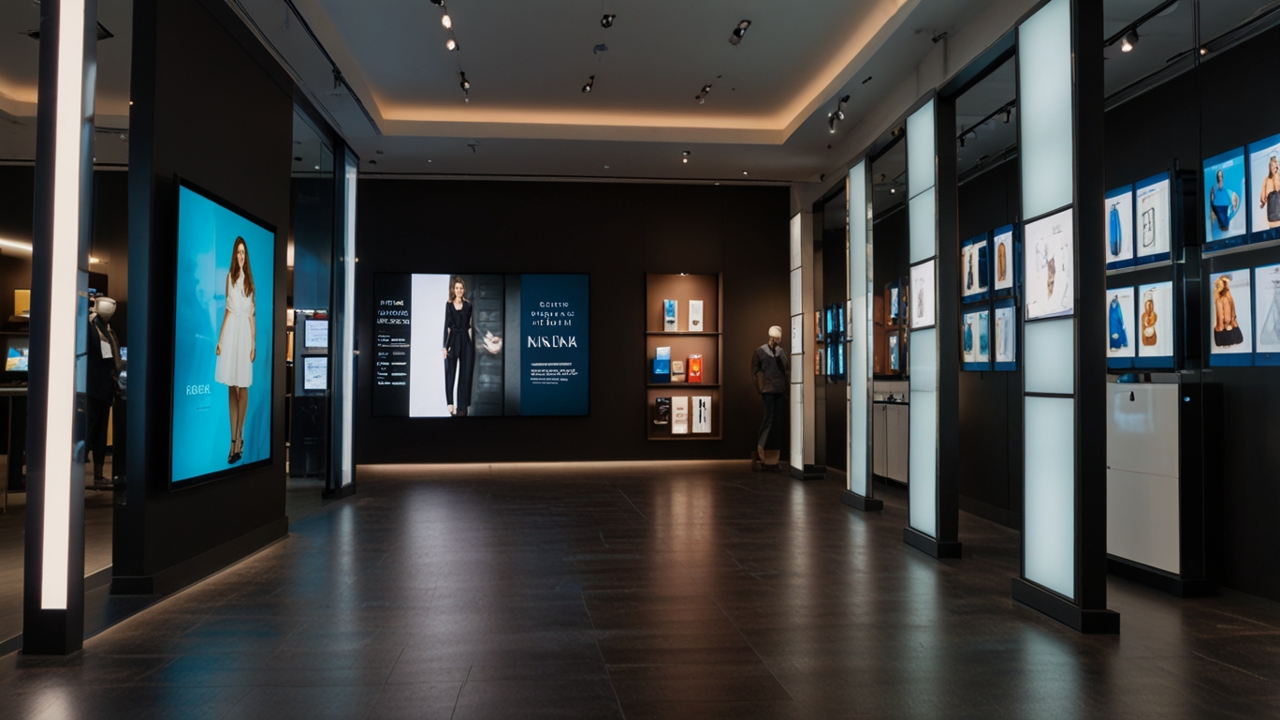
Brand identity in retail is shaped not only by products but also by the environment in which they are showcased. Digital boards serve as central elements that reinforce a store’s visual atmosphere and branding tone. Whether minimalistic, luxurious, playful, or bold, digital content can reflect the brand’s personality and immerse customers in a cohesive environment. This helps customers understand what the brand stands for almost immediately upon entering the store.
Consistency across all visual elements is critical for building recognition, and digital boards make it simple to maintain this consistency across multiple store locations. Corporate visual teams can update content centrally, ensuring that all store branches share the same style, messaging, and branded elements. This is particularly important for retailers expanding regionally or globally, where brand identity must remain uniform.
Digital boards also enhance ambiance by integrating with store lighting, music, and decor styles. For example, calm, slow-moving visuals can contribute to a premium boutique atmosphere, while bold, energetic visuals can complement a busy electronics store. When executed effectively, digital boards become seamless components of the store’s sensory environment, elevating the entire shopping experience.
Integrating Digital Boards with Data and Customer Insights
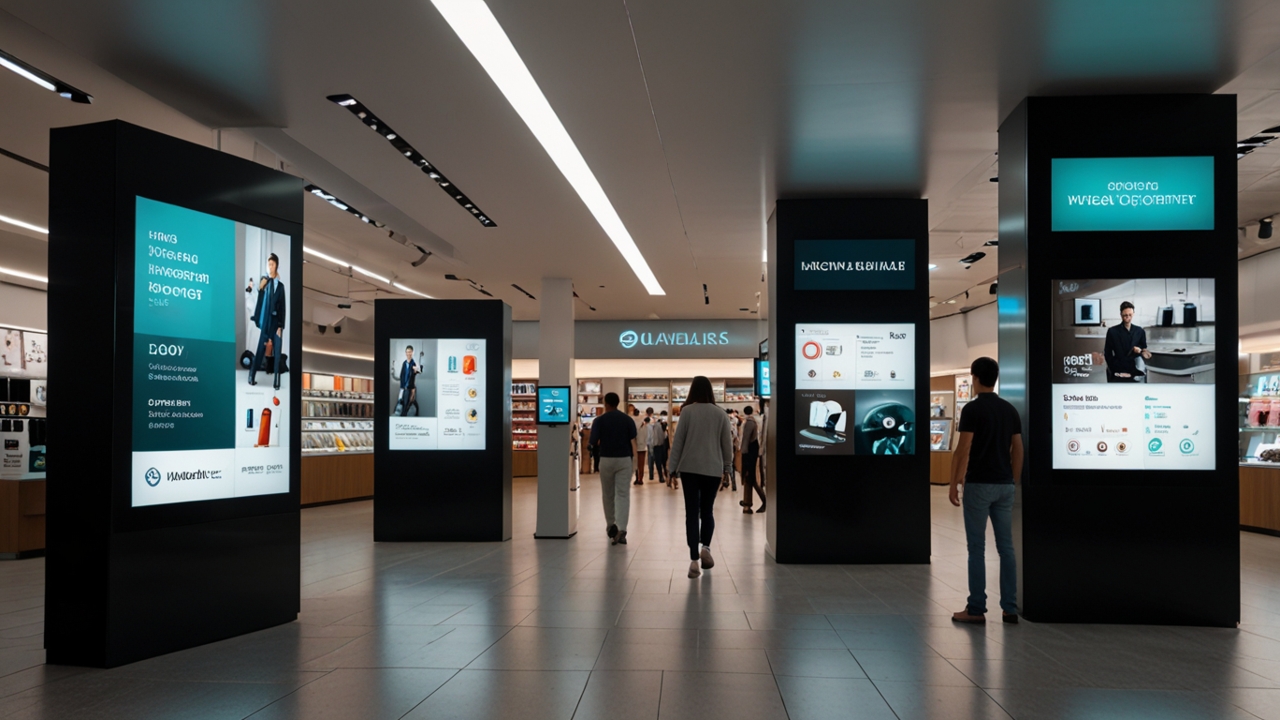
Technology-driven insights are becoming crucial in modern retail decision-making, and digital boards can be connected to analytical systems that track customer behavior and preferences. This allows retailers to adjust messaging and visual content based on real-time store activity. For example, if foot traffic increases in a specific section, nearby digital screens can highlight related products or accessories, leveraging attention at the right moment.
Digital boards can also be linked to external data, such as seasonal trends, local events, or social media activity. This enables brands to deliver culturally timed and relevant messaging that feels more meaningful to customers. Context-aware content can significantly improve the effectiveness of communication, making the store environment feel dynamic and responsive rather than fixed and generic.
In the long term, integrating customer insights with visual display strategies helps build stronger brand relationships. Customers become more familiar with brands that understand and anticipate their needs, and digital boards provide a communication framework that can evolve alongside these expectations. This blend of data and visual engagement positions retailers for sustained branding success in an increasingly experience-driven marketplace.
RELATED POSTS