
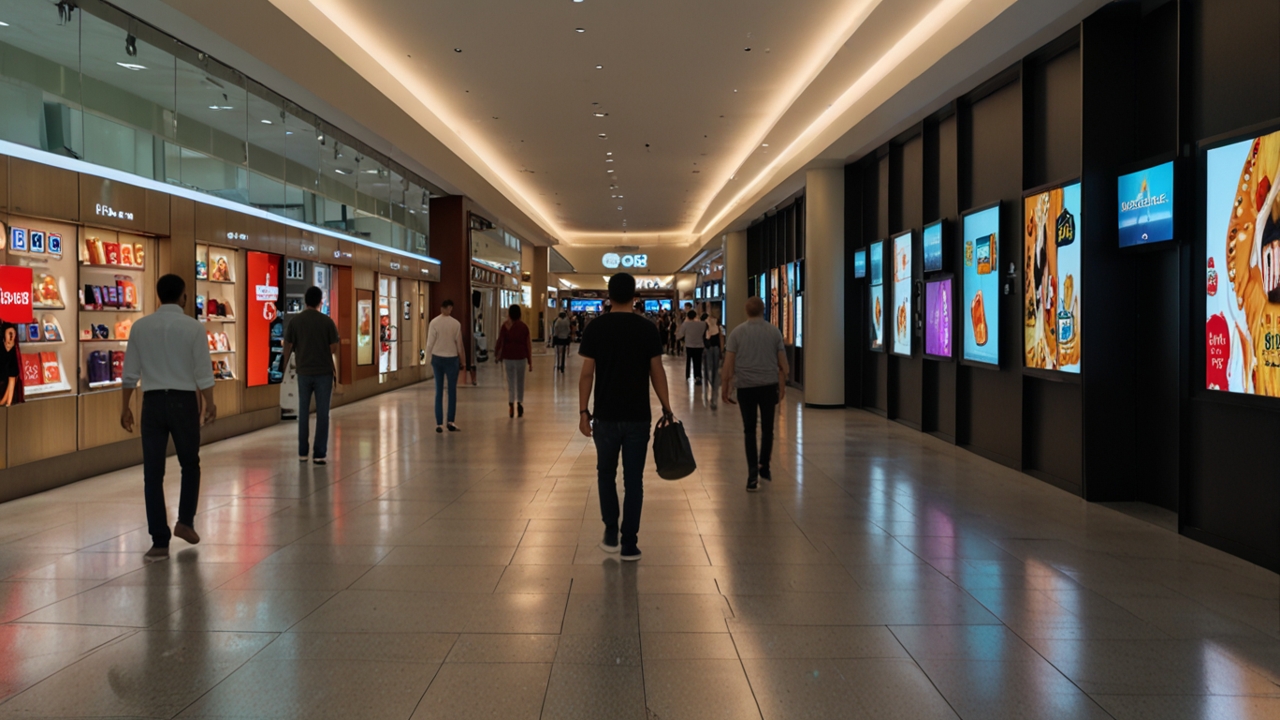
In high-traffic retail and shopping center environments, capturing attention within the first few seconds is critical. Digital storefront boards outperform static signage by using motion, brightness, and dynamic content to break through visual noise. Shoppers are constantly scanning their surroundings, and a well-placed digital board leverages human attention patterns by presenting changing visuals that naturally draw the eye. This immediate engagement increases the likelihood that passersby pause, notice the store, and consider entering.
Unlike printed signage, digital storefront boards can adapt to different times of day, shopping behaviors, and audience demographics. Morning shoppers may respond better to calm visuals and practical offers, while evening visitors may be drawn to bold colors and promotional messaging. Digital boards allow retailers to fine-tune content in real time, ensuring the message aligns with shopper intent. This adaptability helps storefronts remain relevant throughout the day without requiring physical updates or additional labor.
The psychological impact of movement also plays a major role in increasing foot traffic. Subtle animations, rotating product displays, or short video loops stimulate curiosity without overwhelming the viewer. When used strategically, these elements guide attention toward the store entrance, reinforce brand identity, and create a sense of energy that suggests the store is active and worth exploring. Over time, consistent exposure builds familiarity and trust, making shoppers more likely to choose that store over neighboring competitors.
Using Dynamic Promotions to Turn Passersby into Customers
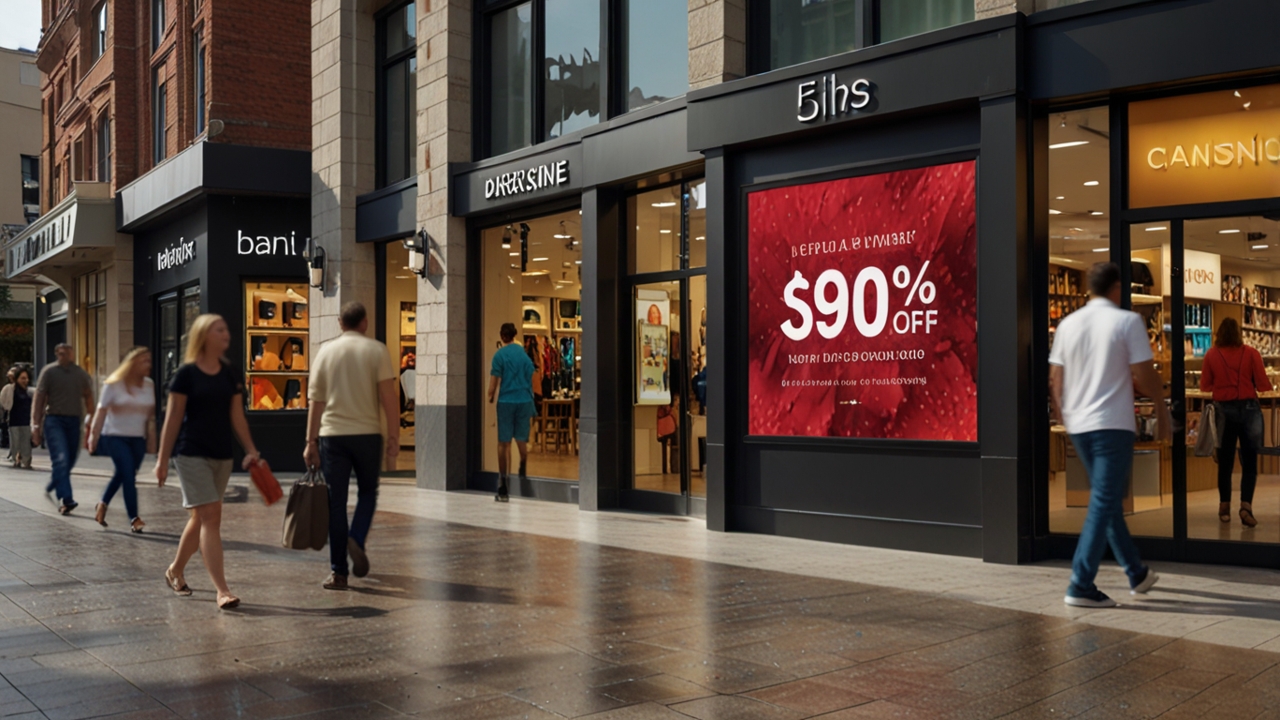
Dynamic promotions displayed on digital storefront boards allow retailers to communicate value instantly. Flash sales, limited-time discounts, and exclusive in-store offers can be updated within seconds, creating urgency that motivates immediate action. When shoppers see time-sensitive deals presented clearly and visually, they are more inclined to step inside rather than postpone their purchase decision.
Digital boards also allow for precise messaging that aligns with current inventory and seasonal trends. Retailers can highlight best-selling items, new arrivals, or clearance products without cluttering the storefront. This focused communication reduces decision fatigue for shoppers and presents the store as organized and customer-centric. Clear promotional messaging lowers the barrier to entry by answering the shopper’s unspoken question: “Why should I go in right now?”
Another advantage of dynamic promotions is the ability to test and optimize content. Retailers can analyze which messages drive the most foot traffic and adjust accordingly. By rotating headlines, visuals, or call-to-action phrases, stores can refine what resonates with their audience. Over time, this data-driven approach transforms digital storefront boards into powerful sales tools that not only attract attention but consistently convert interest into in-store visits.
Enhancing Brand Identity Through Consistent Visual Messaging
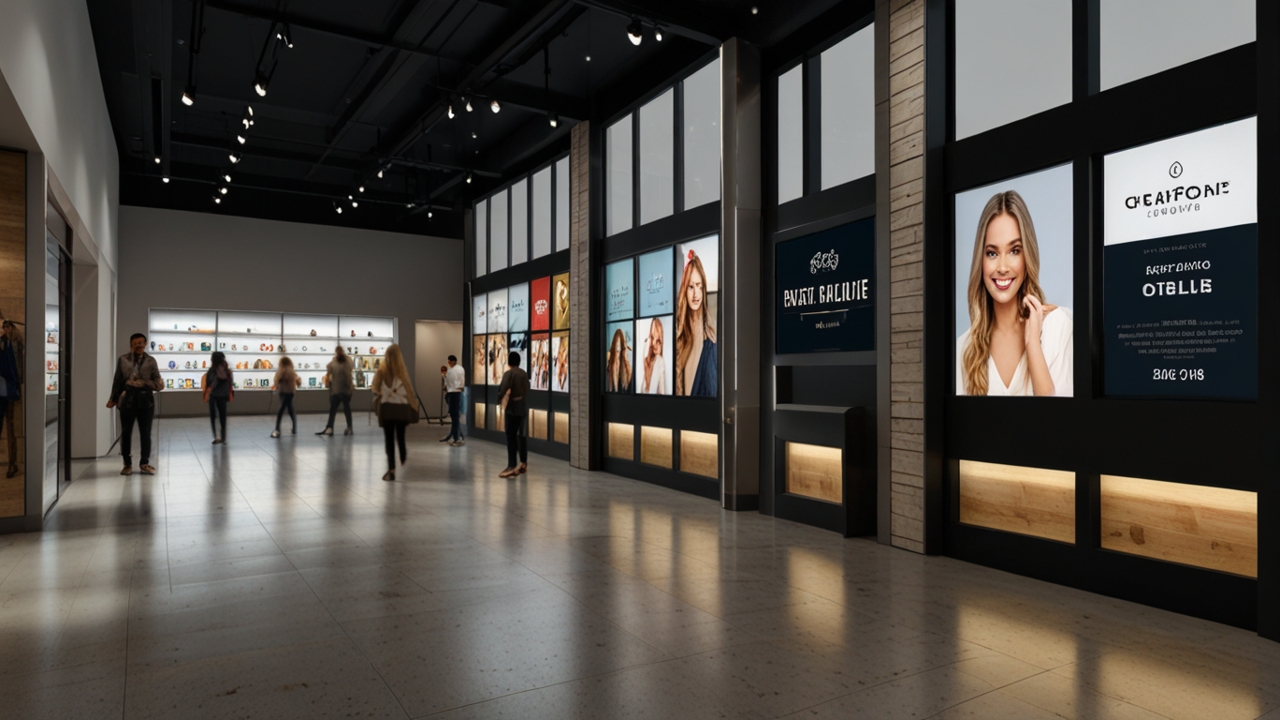
A strong and consistent brand presence is essential for standing out in crowded shopping centers. Digital storefront boards enable retailers to reinforce brand identity through cohesive visuals, typography, color schemes, and tone of messaging. Every interaction a shopper has with the storefront becomes part of a larger brand experience, shaping perception even before they enter the store.
Consistency builds recognition and trust. When shoppers repeatedly encounter the same visual language across storefront boards, they begin to associate those visuals with reliability and quality. Digital displays allow brands to maintain this consistency across multiple locations while still customizing content for local audiences. This balance between uniform branding and localized relevance strengthens the overall retail presence.
Beyond aesthetics, digital boards help communicate brand values and personality. Whether the brand is premium, playful, innovative, or community-focused, the storefront becomes a storytelling platform. Videos showing product craftsmanship, lifestyle imagery, or customer experiences humanize the brand and create emotional connections. These emotional cues influence purchasing behavior and encourage shoppers to step inside to learn more.
Leveraging Real-Time Content to Match Shopper Behavior
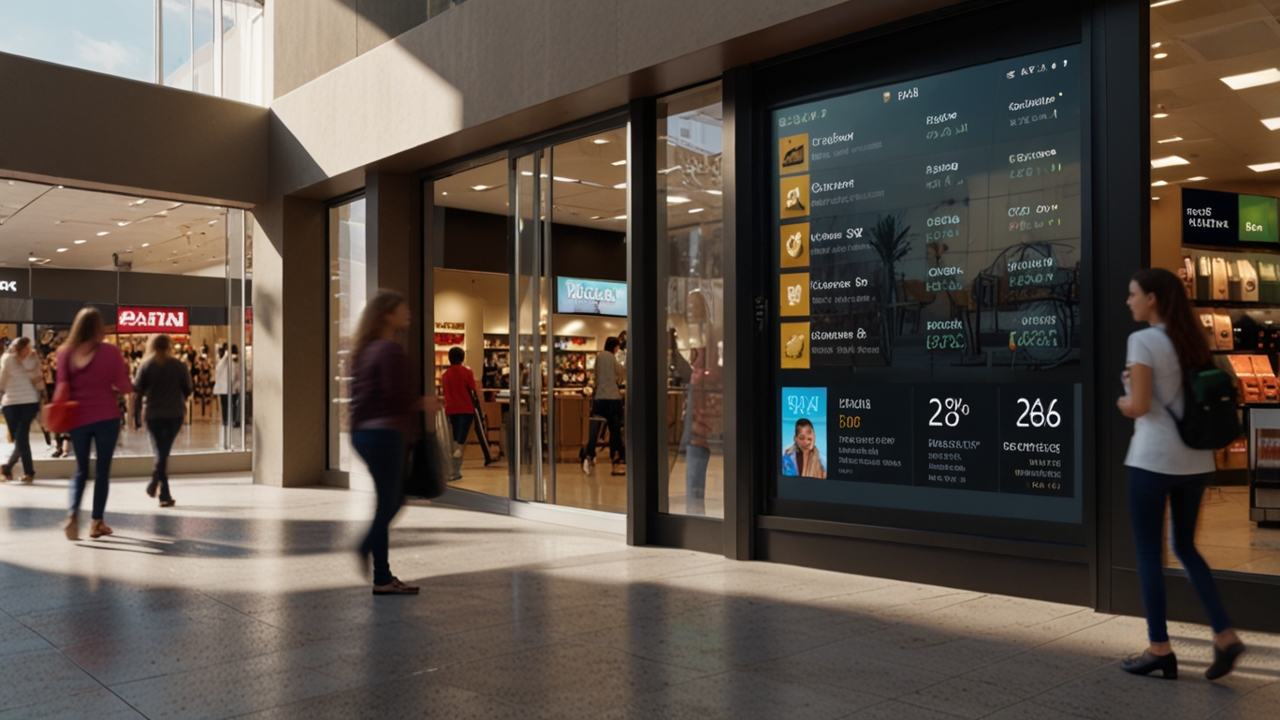
One of the most powerful features of digital storefront boards is their ability to display real-time content. Retailers can adjust messaging based on foot traffic patterns, weather conditions, or special events happening in the shopping center. For example, during peak hours, boards can highlight fast-moving products, while slower periods can focus on immersive brand storytelling to draw attention.
Real-time updates also allow retailers to respond instantly to changes in inventory or demand. If a product is selling quickly, it can be featured prominently to capitalize on momentum. Conversely, overstocked items can be promoted immediately without waiting for printed materials. This responsiveness keeps storefront content fresh, relevant, and aligned with business goals.
By synchronizing digital boards with internal systems or promotional schedules, retailers create a seamless customer journey from outside the store to the point of purchase. Shoppers receive timely information that feels personalized and intentional rather than generic. This sense of relevance increases engagement, builds trust, and significantly improves the chances of converting foot traffic into sales.
Measuring and Optimizing Foot Traffic with Digital Storefront Boards
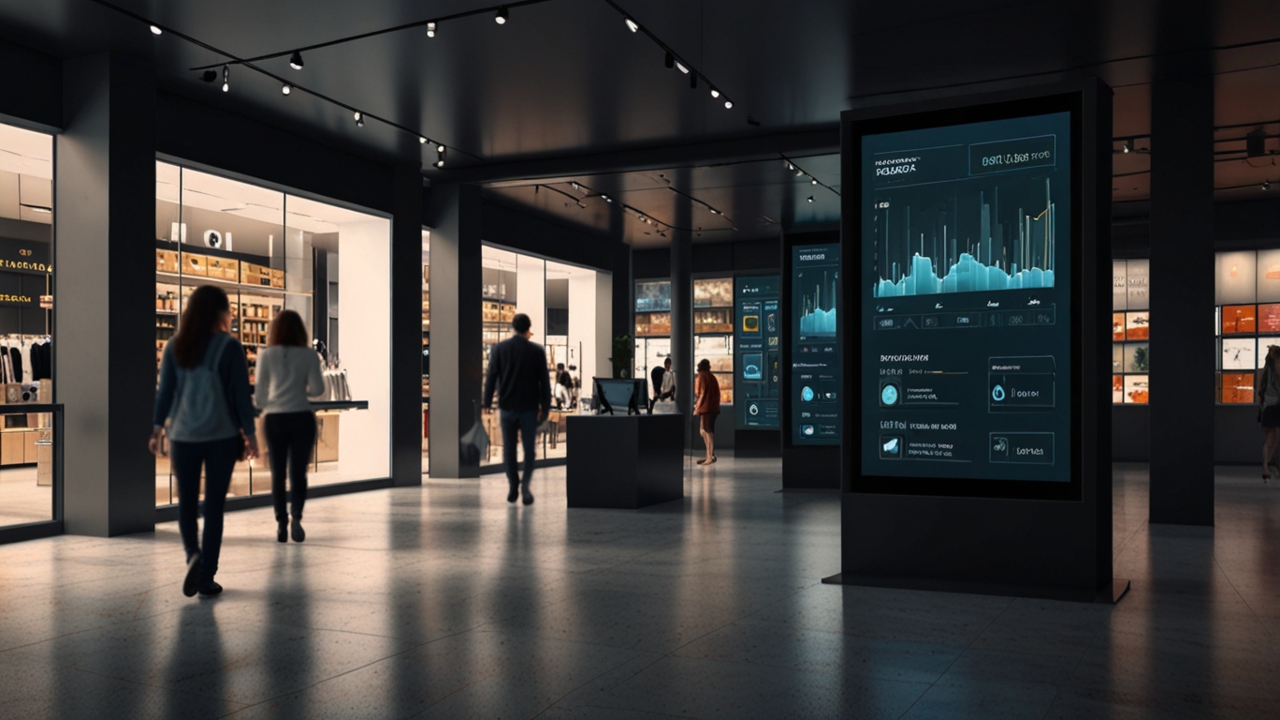
Digital storefront boards are not just visual tools; they are measurable marketing assets. Many systems integrate with analytics platforms that track impressions, dwell time, and engagement levels. By understanding how shoppers interact with storefront content, retailers can make informed decisions about placement, design, and messaging strategy.
Data-driven insights help retailers identify which content drives the highest foot traffic. For instance, video-based content may outperform static images, or certain promotions may attract specific demographics. This information enables continuous improvement, ensuring the storefront evolves alongside shopper behavior rather than remaining static and outdated.
Over time, optimization leads to stronger returns on investment. Instead of relying on assumptions, retailers can confidently deploy content proven to attract attention and increase store visits. Digital storefront boards become a long-term growth tool, supporting marketing, branding, and sales objectives simultaneously while enhancing the overall shopping center experience.
RELATED POSTS