
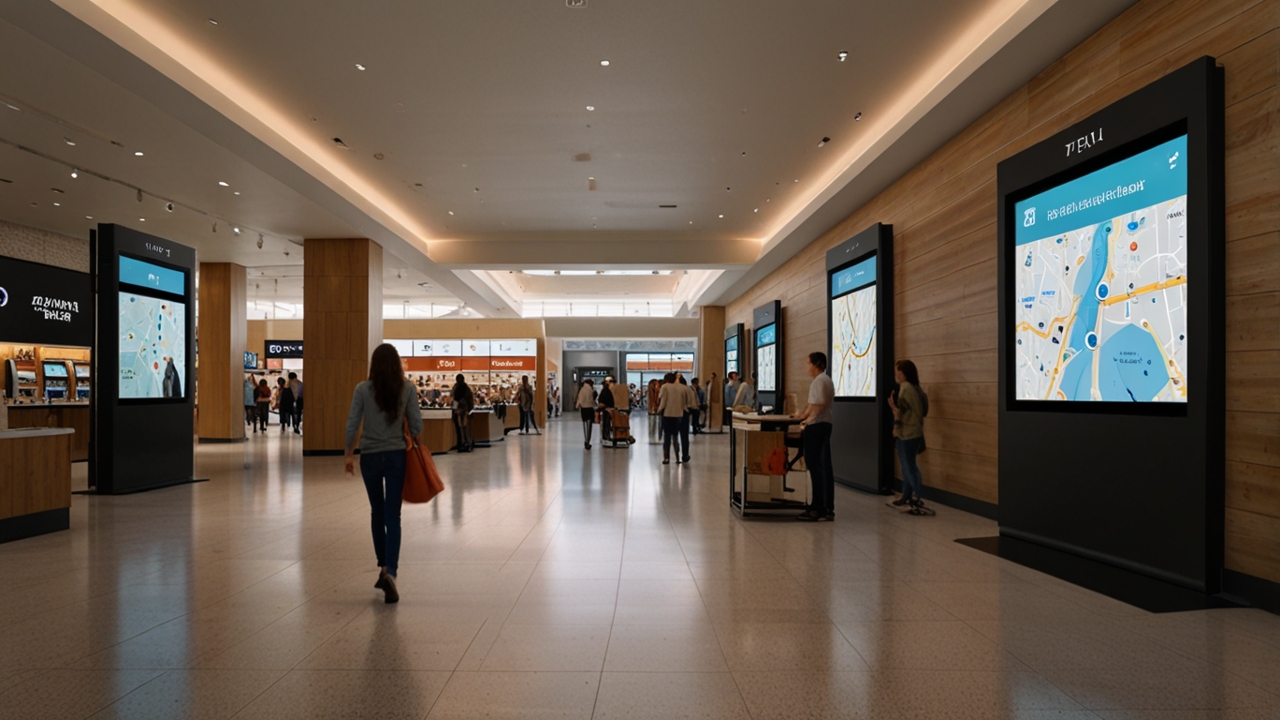
Modern signage has evolved far beyond static posters and traditional printed banners. Today, it serves as an essential communication tool that allows retailers to quickly deliver targeted messages, guide customer movement, and provide critical product information in real time. By integrating digital screens, responsive content, and data-driven displays, shopping centers can create a more immersive and personalized experience that appeals to customers’ preferences and shopping behaviors. This transformation has allowed signage to blend convenience, efficiency, and brand storytelling into one cohesive system.
Retailers have also recognized signage as a strategic touchpoint that influences buying decisions. The moment a customer walks into a store or mall, visual cues like digital directories, promotional displays, and interactive product demos shape their journey. These messages help shoppers navigate spaces, discover deals, and learn more about what is available inside the establishment. As shopping centers grow larger and more complex, the demand for intuitive signage grows even stronger, making it one of the foundational tools for maintaining customer satisfaction and ease of navigation.
Additionally, modern signage solutions can adapt quickly to shifting market trends, seasonal campaigns, and urgent operational needs. This flexibility allows retailers to respond to customer demand without the delays associated with printed materials. Whether highlighting new arrivals, introducing brand collaborations, or managing foot traffic during peak hours, signage provides a dynamic platform for delivering timely and relevant information.
Enhancing Wayfinding and Navigation With Smart Signage
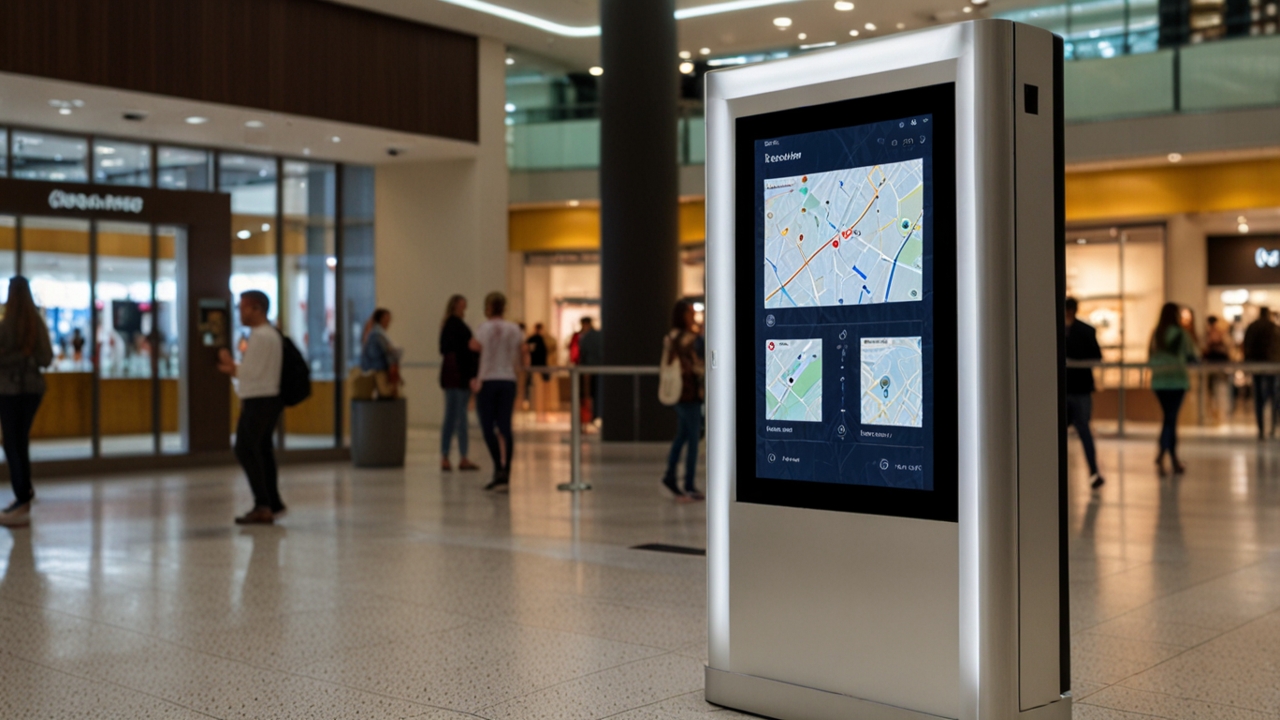
Effective wayfinding is an essential element of any shopping center’s customer experience strategy. Smart signage solutions, such as interactive maps, touchscreen directories, and location-based guidance, greatly reduce confusion and help shoppers find what they need quickly. These tools are particularly valuable in multi-level malls or large retail complexes where traditional signs may not suffice. By providing clear directions and real-time updates, smart signage minimizes frustration and enhances the overall convenience of the visit.
Smart wayfinding signage can also be integrated with mobile applications or QR-enabled features, allowing customers to save routes, create shopping lists, or view store details directly on their devices. This multi-channel approach ensures accessibility for all shoppers, regardless of whether they prefer digital screens or their own smartphones. Such integrations also allow retailers to track foot traffic patterns and identify popular pathways, enabling better planning and layout decisions for future improvements.
Furthermore, advanced signage solutions can adapt to specific conditions—whether directing customers to less crowded escalators, highlighting alternative routes during maintenance, or displaying helpful information during high-traffic events. These functionalities help maintain smooth movement within the mall and contribute to a more organized and enjoyable shopping experience.
Using Digital Signage to Promote Products and Drive Sales
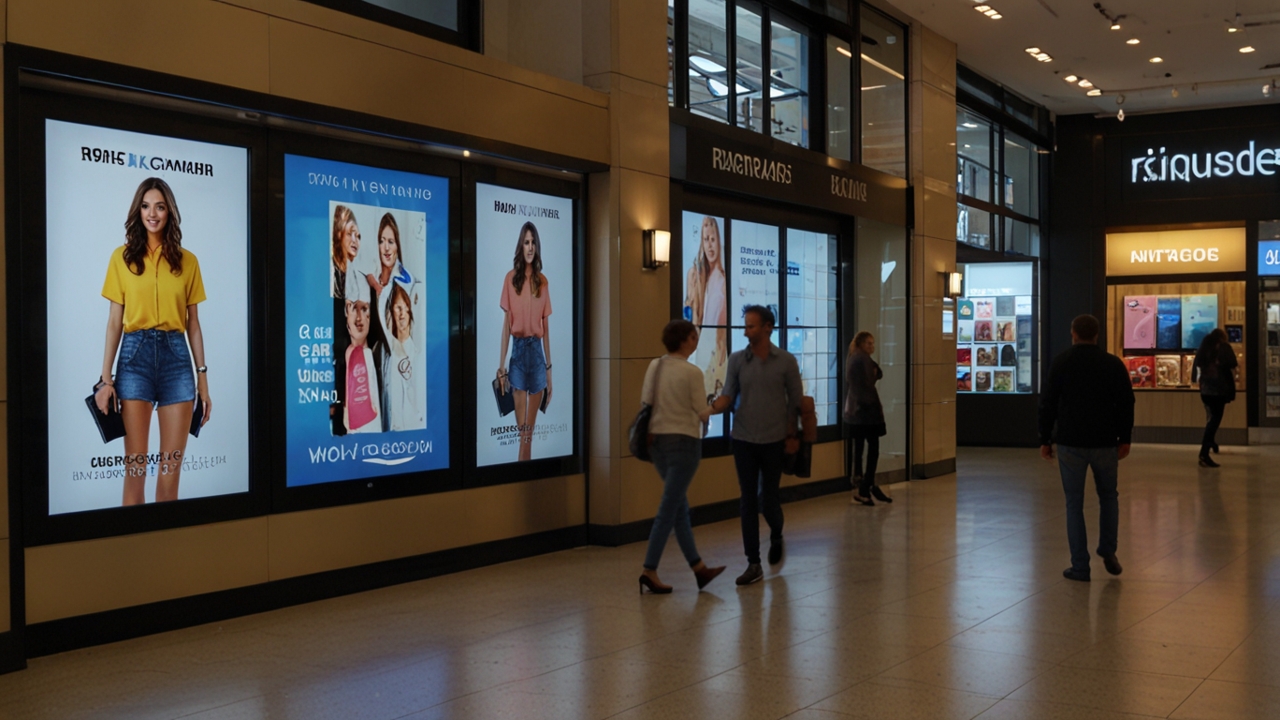
Digital signage has become a highly effective marketing tool in retail and shopping centers, offering an engaging way to highlight promotions, new collections, and exclusive deals. Unlike printed posters that remain static, digital content can continuously rotate, update, and adapt depending on the store’s needs. Retailers can display multiple campaigns in minutes, allowing them to keep messaging fresh and aligned with current trends or consumer interests. This versatility strengthens brand communication and captures customer attention more effectively.
Because digital signage can include motion graphics, product videos, and interactive elements, customers are more likely to stop, watch, and engage. These compelling visuals help stores showcase product features, styling ideas, and lifestyle content that encourages purchase decisions. Studies have shown that dynamic displays can significantly increase dwell time and impulse buying, especially in areas like entrances, checkout counters, and high-traffic corridors within the mall.
Additionally, digital signage enables retailers to gather analytic insights by tracking which content performs best and identifying how customers respond to different promotional strategies. This information can improve marketing precision and allow stores to tailor future messages based on real engagement metrics. Ultimately, this leads to better conversion rates, stronger customer influence, and a more memorable shopping experience.
Improving Customer Engagement Through Interactive Signage
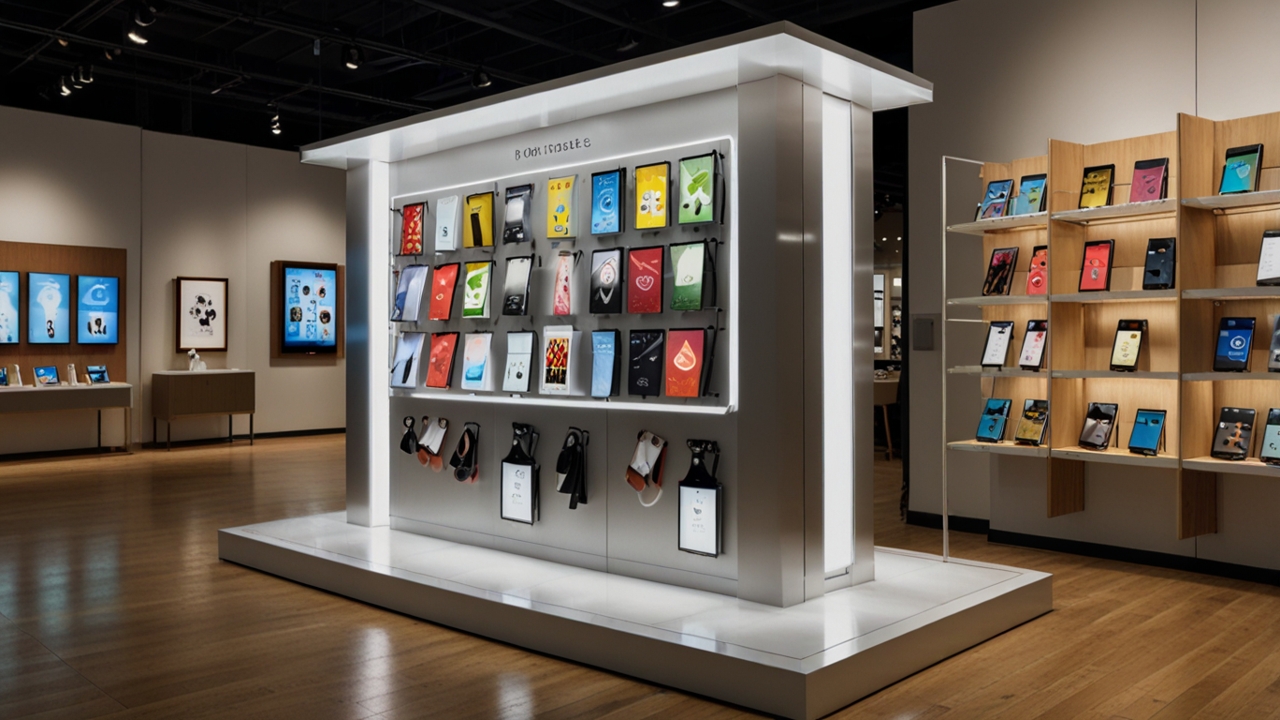
Interactive signage takes customer engagement to another level by allowing shoppers to participate actively in the experience rather than simply receiving information. Examples include touchscreens, virtual try-ons, product configuration displays, and self-service information stations. These features make shopping more fun and convenient by empowering customers to explore products in-depth, check availability, compare features, or customize options before making a purchase. The added involvement strengthens customer satisfaction and increases overall confidence in buying decisions.
Retailers benefit greatly from interactive signage because it helps reduce pressure on staff during busy hours. Customers can independently browse product details, find item locations, or access helpful content without waiting for assistance. This balance between human support and digital interaction ensures that both staff and customers feel supported and efficient. In addition, interactive displays make retail environments feel more innovative, modern, and customer-centric, appealing to tech-savvy shoppers who expect seamless digital experiences.
Moreover, interactive signage creates opportunities for personalized experiences. Many systems can store preferences, make suggestions based on customer behavior, or adjust recommendations according to the time of day, season, or trending product categories. This personalization enriches the shopping experience and increases the likelihood of returning customers by providing a strong sense of customization and relevance.
The Future of Smart Signage in Retail and Shopping Centers
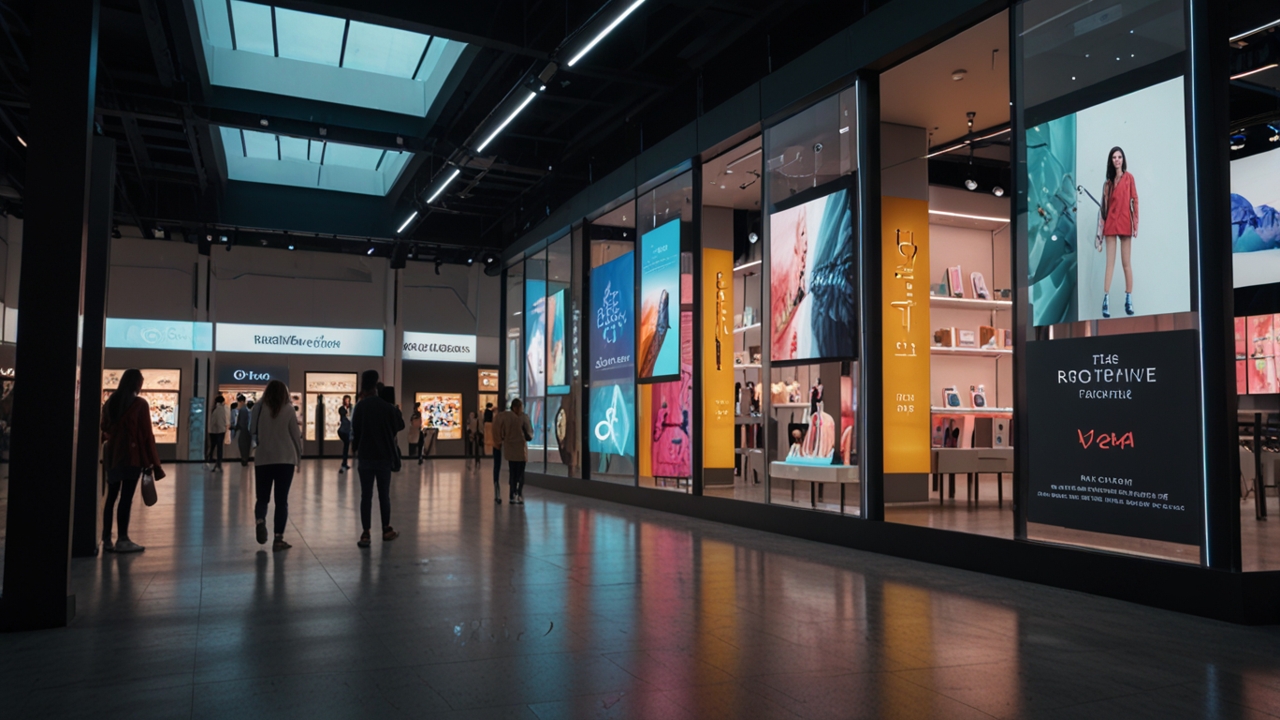
As technology continues to evolve, smart signage will become an even more integral part of retail innovation. Emerging trends such as AI-driven recommendations, holographic displays, and fully immersive experience zones are poised to reshape how customers interact with brands. Retailers will be able to deliver hyper-targeted messages based on demographics, behavior, and real-time analytics, making the shopping journey more intuitive and engaging. This future-focused approach reinforces the role of signage not just as a communication tool but as an essential component of the retail ecosystem.
The integration of smart signage with IoT sensors and cloud-based platforms will allow for seamless, centralized control across entire shopping centers. Mall operators can simultaneously update hundreds of screens, adjust brightness based on ambient light, or activate emergency alerts when necessary. These capabilities streamline operations and guarantee that customers always receive the most accurate and helpful information. Such intelligent systems also support sustainability goals by reducing printed waste and optimizing energy usage.
As customer expectations continue to grow, the future of retail will rely heavily on technologies that can adapt, learn, and respond to individual needs. Smart signage offers the perfect blend of flexibility, visual appeal, and real-time functionality. It will play a key role in shaping modern shopping centers that prioritize convenience, engagement, and personalized service. Retailers that embrace this shift early will gain a significant advantage in creating memorable, efficient, and customer-focused shopping experiences.
RELATED POSTS