

Digital bulletin boards have become a powerful tool in transforming traditional retail spaces into dynamic, engaging environments that attract and retain customer attention. Unlike static posters or printed signage, digital boards allow retailers to display vibrant, high-resolution content that can be updated instantly. This flexibility enables store owners and shopping centers to promote time-sensitive offers, highlight new arrivals, and create visually compelling campaigns that capture the interest of passersby. As consumer behavior continues to shift toward experience-driven shopping, digital displays serve as an essential bridge between physical retail and digital engagement.
Retail environments are increasingly competitive, with both brick-and-mortar stores and e-commerce platforms vying for consumer attention. Digital bulletin boards provide a strategic advantage by creating a sense of urgency and excitement through real-time content updates. For example, flash sales, limited-time promotions, and event announcements can be displayed instantly, encouraging shoppers to make immediate decisions. This immediacy not only increases foot traffic but also enhances in-store conversions, as customers are more likely to act when presented with timely and visually engaging information.
Moreover, digital bulletin boards contribute to a more organized and professional store atmosphere. They reduce clutter caused by multiple printed materials and allow for centralized content management across multiple locations. Retailers can maintain consistent branding and messaging while tailoring content to specific audiences or store locations. This balance between consistency and customization helps create a cohesive shopping experience that resonates with customers and encourages repeat visits.
Enhancing Customer Engagement Through Dynamic Content

Customer engagement is a critical factor in driving foot traffic, and digital bulletin boards excel at delivering interactive and visually stimulating content. Moving visuals, animations, and video clips naturally attract more attention than static images, making it easier for retailers to communicate their message effectively. These displays can showcase product demonstrations, lifestyle visuals, and storytelling content that resonates emotionally with customers, creating a deeper connection between the brand and its audience.
In addition to visual appeal, digital bulletin boards enable personalized and targeted messaging. By integrating data such as time of day, customer demographics, or seasonal trends, retailers can display content that is highly relevant to their audience. For instance, a shopping mall can promote breakfast deals in the morning and switch to dinner promotions in the evening. This level of contextual relevance increases the likelihood of attracting customers who are already interested in what is being offered, thereby improving both foot traffic and sales performance.
Interactive features can further enhance engagement by encouraging customers to participate rather than passively observe. Touchscreen capabilities, QR codes, and social media integrations allow shoppers to explore products, access exclusive offers, or share content online. This interactive approach not only captures attention but also extends the customer experience beyond the physical store, creating opportunities for ongoing engagement and brand loyalty.
Strategic Placement for Maximum Visibility and Impact
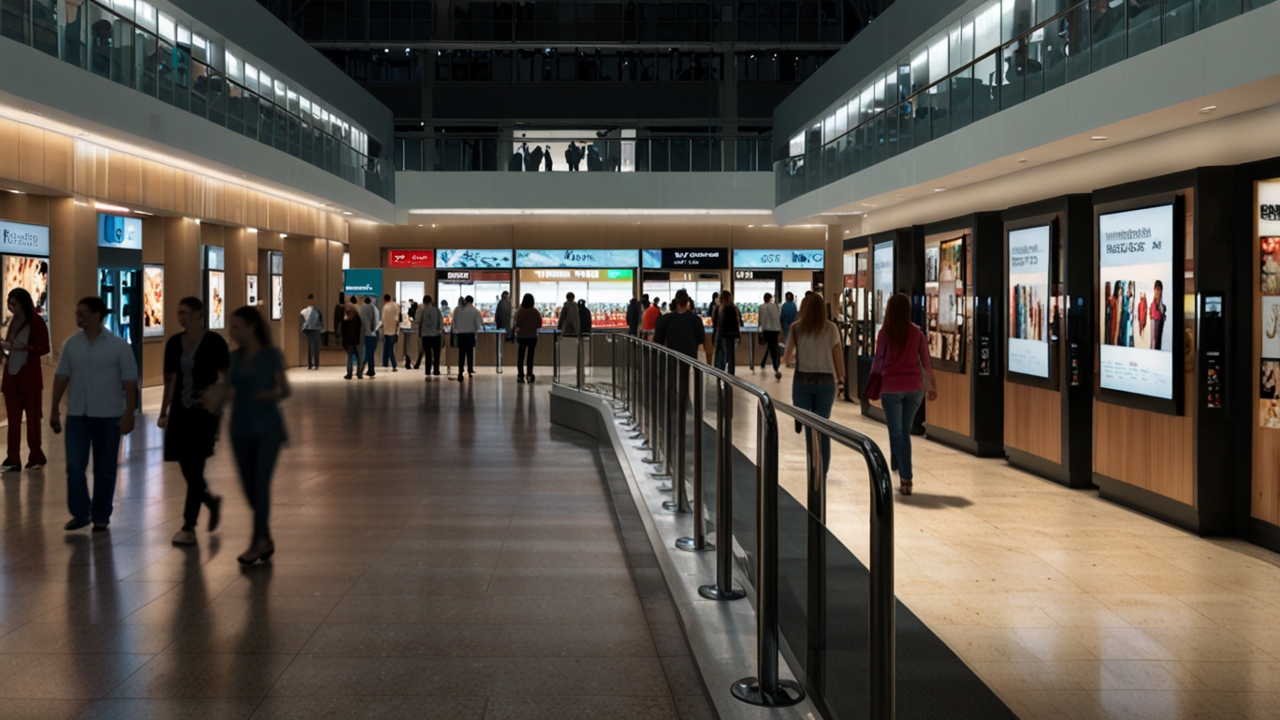
The effectiveness of digital bulletin boards depends heavily on their placement within retail spaces. Positioning screens in high-traffic areas such as entrances, escalators, checkout zones, and main walkways ensures maximum visibility and exposure. These strategic locations allow retailers to capture the attention of shoppers at key moments in their journey, influencing their decisions and guiding them toward specific stores or promotions.
Proper placement also involves understanding customer behavior and movement patterns within a retail environment. By analyzing foot traffic data, retailers can identify hotspots where customers tend to gather or pass through frequently. Installing digital bulletin boards in these areas increases the likelihood of engagement and ensures that promotional content reaches a larger audience. This data-driven approach allows for more effective use of digital signage and maximizes its impact on foot traffic.
Additionally, the size, orientation, and brightness of the displays should be carefully considered to ensure optimal visibility. Large, high-resolution screens are ideal for open spaces, while smaller displays can be used in more confined areas. Brightness levels should be adjusted to match ambient lighting conditions, ensuring that content remains clear and legible at all times. By combining strategic placement with thoughtful design, retailers can create a seamless visual experience that draws customers in and keeps them engaged.
Driving Promotions and Real-Time Marketing Campaigns

One of the most significant advantages of digital bulletin boards is their ability to support real-time marketing campaigns. Retailers can instantly update content to reflect current promotions, inventory changes, or special events, ensuring that messaging remains relevant and impactful. This agility allows businesses to respond quickly to market trends, customer preferences, and competitive activities, giving them a distinct advantage in a fast-paced retail environment.
Real-time updates also enable retailers to experiment with different types of content and measure their effectiveness. By analyzing customer responses and engagement metrics, businesses can refine their strategies and optimize their campaigns for better results. For example, a retailer can test different promotional messages or visuals and determine which ones generate the most foot traffic or sales. This continuous improvement process helps maximize the return on investment for digital signage.
Furthermore, digital bulletin boards can be integrated with other marketing channels, such as social media and mobile apps, to create a unified and cohesive campaign. Cross-platform integration ensures that customers receive consistent messaging across different touchpoints, reinforcing brand awareness and encouraging them to visit physical stores. This holistic approach to marketing not only drives foot traffic but also strengthens the overall customer experience.
Measuring Success and Optimizing Retail Strategies

To fully leverage the benefits of digital bulletin boards, retailers must focus on measuring their effectiveness and optimizing their strategies accordingly. Key performance indicators such as foot traffic, dwell time, and conversion rates provide valuable insights into how customers interact with digital displays. By tracking these metrics, businesses can identify what works and what needs improvement, enabling them to make data-driven decisions.
Advanced analytics tools can further enhance this process by providing detailed reports on customer behavior and engagement patterns. For instance, heat maps and traffic flow analysis can reveal which areas of a store receive the most attention and how digital bulletin boards influence movement within the space. This information can be used to refine placement strategies, improve content design, and maximize the overall impact of digital signage.
Continuous optimization is essential for maintaining the effectiveness of digital bulletin boards in a rapidly evolving retail landscape. Regularly updating content, experimenting with new formats, and incorporating customer feedback ensures that displays remain fresh and relevant. By adopting a proactive approach to optimization, retailers can sustain increased foot traffic, enhance customer satisfaction, and achieve long-term success in their retail operations.
RELATED POSTS